
Why buy sustainable gifts: choices that truly matter
TL;DR:
- Sustainable gifts, such as durable accessories and experiences, deliver lasting utility while reducing environmental and social impacts. Consumer barriers like price, hygiene concerns, and greenwashing can be overcome through transparency, value, and certification verification. Prioritizing quality, full lifecycle, and meaningful utility ensures gifts genuinely support sustainability and resonate emotionally.
Sustainable gifts are items or experiences designed to deliver genuine joy and lasting utility without causing unnecessary harm to the environment or society. The case for eco-conscious presents has never been stronger: research from the Bain & Company Consumer Lab ESG Survey shows 77% of consumers would buy more sustainably if prices were lower, signalling that the desire is already there. What holds most people back is not indifference but a lack of clear guidance on where to start. This article gives you that guidance, grounded in real data and practical examples rather than green marketing slogans.
Why buy sustainable gifts: the environmental and social case
Sustainable gifting means choosing items made from materials such as cork, organic cotton, or recycled fibres, or opting for experiences and donations that leave almost no physical trace. The environmental benefits are measurable and significant.
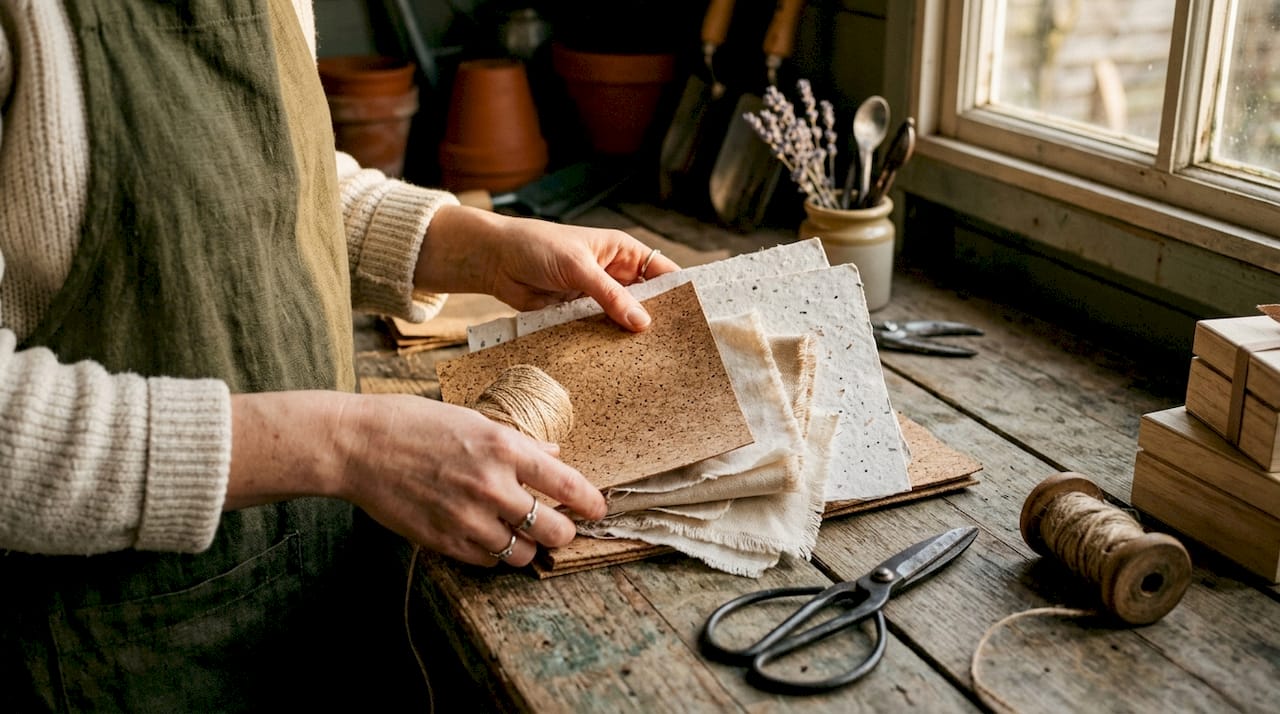
The average European produces more than 180 kg of municipal waste each year. Every durable, reusable gift you choose instead of a disposable novelty item chips away at that figure in a direct, personal way. The impact compounds across a household over years.
The social benefits are equally real:
- Reduced waste through durable products that replace single-use alternatives. Switching from paper towels to flour sack cotton towels, for example, saves trees, cuts landfill contributions, and avoids microplastic pollution entirely.
- Support for ethical supply chains by purchasing from brands that pay fair wages and source responsibly, which strengthens communities in producing regions.
- Conservation of natural resources through materials like cork, which is harvested without felling trees, allowing forests to continue absorbing carbon.
- Near-zero waste alternatives such as experiences and donations, which carry minimal environmental footprint while delivering high emotional value to the recipient.
Packaging deserves its own mention here. Excessive or plastic-laden packaging can erase the sustainability credentials of an otherwise thoughtful gift. A beautifully made cork wallet wrapped in layers of single-use plastic and tissue paper is a contradiction. Choosing gifts from brands that use recycled or minimal packaging is part of the same commitment.
The importance of green gifting, then, is not just about the object itself. It is about the entire chain of decisions: what it is made from, how it was produced, how it arrives, and what happens to it at the end of its life.
What stops people from choosing eco-friendly gifts?
Understanding the barriers is the first step to overcoming them. Three obstacles come up repeatedly in consumer research, and none of them are insurmountable.
Price perception is the most cited concern. 44% of consumers name price as the main barrier to sustainable purchasing. This figure deserves context: the perception of high cost often ignores the cost-per-use calculation. A £12 cork wallet used daily for five years costs a fraction of a penny per use. A £5 synthetic wallet that falls apart in six months costs far more by that measure. Brands are increasingly marketing durability and long-term value alongside sustainability, which helps reframe the conversation.
Hygiene and safety concerns affect a significant share of shoppers. The BSI Global Circularity study found 51% of consumers worry about hygiene and safety when buying second-hand or refurbished products. This concern is legitimate for some categories but largely irrelevant for new sustainable goods made from non-toxic, certified materials. Knowing the difference matters.
Greenwashing scepticism is the third barrier, and arguably the most rational one. Consumers now rely more on third-party certifications and peer reviews than on brand claims alone. Vague terms like “eco-friendly” or “natural” on a label mean very little without verification. Look for recognised certifications such as the Forest Stewardship Council (FSC), OEKO-TEX, or the Global Organic Textile Standard (GOTS) when assessing whether a product lives up to its claims.
Pro Tip: When in doubt about a brand’s sustainability credentials, check their materials page and look for named certifications rather than generic green language. Thecorkstore, for instance, details the environmental impact of cork directly on their site, which is exactly the kind of transparency worth rewarding with your purchase.
Emotional attachment also plays a role that is often overlooked. A gift that connects to the recipient’s daily routine, something they will reach for every morning, overcomes price hesitation and scepticism far more effectively than any label. Utility is the most persuasive sustainability argument of all.
How do sustainable gifts compare with conventional ones?
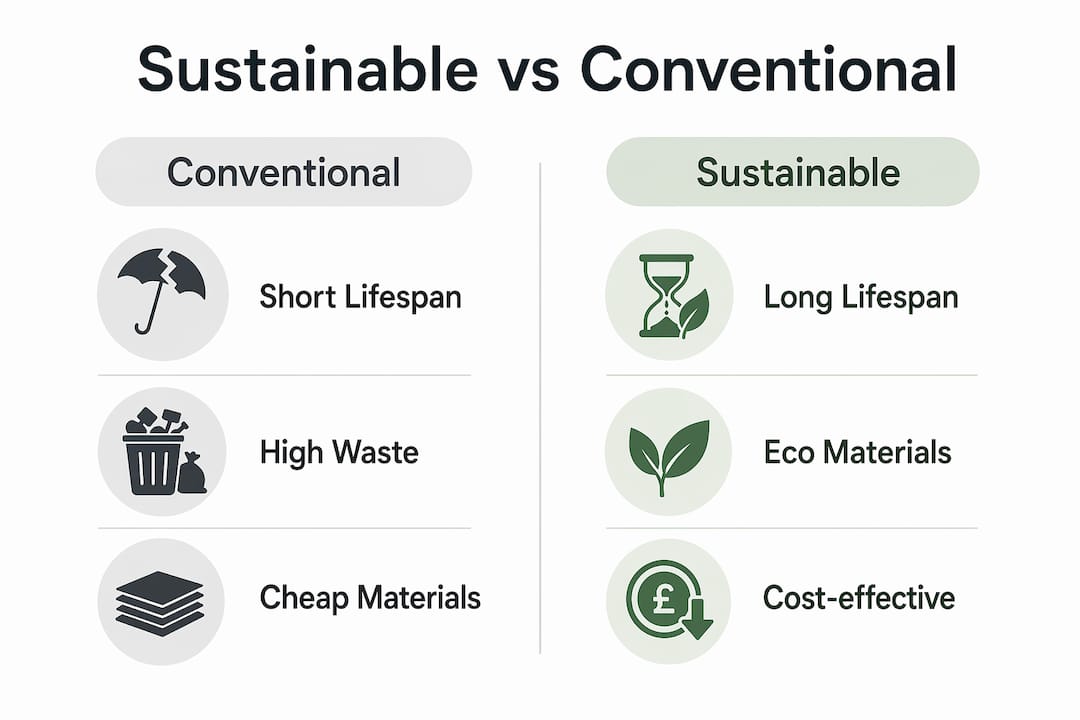
The honest comparison between sustainable and conventional gifts reveals a gap that goes well beyond environmental impact.
| Factor | Conventional gift | Sustainable gift |
|---|---|---|
| Lifespan | Months to one year | Several years with regular use |
| Cost-per-use | Higher over time | Lower over time |
| Packaging waste | Often excessive, plastic-heavy | Typically minimal or recycled |
| Material sourcing | Frequently opaque | Often certified and traceable |
| End-of-life | Landfill in most cases | Biodegradable or recyclable options |
The table above makes the economic argument as clearly as the environmental one. Cost-per-use calculations consistently show that paying more upfront for a durable item is better for both the wallet and the planet than buying cheap disposables repeatedly. This is not a niche consumer insight. It is the direction mainstream purchasing behaviour is moving in 2026, according to both the Drapers UK survey and SHEIN’s global consumer study.
Consider two gift scenarios. You buy a novelty gadget for £15 that the recipient uses twice before it breaks or bores them. Compare that to a cork backpack at £55 that they carry to work every day for three years. The second gift has a lower cost-per-use, a smaller environmental footprint per day of use, and a far greater emotional resonance. It earns its place in their life.
Personalised and genuinely useful accessories also extend the lifespan of other items. A well-made phone case, a quality wallet, or a durable bag protects the things people already own, reducing the frequency with which those items need replacing. That secondary sustainability benefit rarely appears in gift guides but it is real and worth considering.
Pro Tip: Before buying, ask yourself one question: will this gift still be in use a year from now? If the honest answer is probably not, it is worth reconsidering. The best sustainable gift ideas are the ones that earn their place through daily use.
How to choose sustainable gifts that actually make a difference
Choosing gifts that genuinely support sustainability requires a small shift in how you approach the whole process. These steps make it practical rather than overwhelming.
-
Listen before you buy. The most wasteful gift is one the recipient does not want or need. A brief conversation about what they actually use, carry, or enjoy eliminates the guesswork and the clutter. Delayed or mismatched gifts often lead to unnecessary filler purchases that end up in landfill within months.
-
Prioritise quality and usability over trends. A well-made cork purse will outlast three seasons of trend-driven accessories. Choose items built to last from materials you can verify, and avoid anything that relies on novelty for its appeal.
-
Consider the full lifecycle. Think about where the materials came from, how the item was produced, what the packaging looks like, and what happens when it eventually wears out. A gift that scores well across all four stages is a genuinely ethical gift choice.
-
Explore non-physical alternatives. Experiences such as cooking classes, theatre tickets, or spa days carry minimal environmental footprint and often create stronger memories than physical objects. Charitable donations in someone’s name are another option that aligns giving with values.
-
Wrap thoughtfully. Reusable cloth wrapping, recycled paper, or a simple fabric bag replaces single-use wrapping paper without sacrificing presentation. If the gift itself is sustainable but the wrapping is not, the message is muddled.
Pro Tip: If a gift is going to arrive late, send a handwritten note or a digital certificate as a placeholder rather than buying a filler item to fill the gap. Non-physical placeholders reduce last-minute waste and keep the focus on the gift that actually matters.
Key takeaways
Sustainable gifts deliver greater long-term value, lower environmental impact, and stronger emotional resonance than conventional alternatives when chosen with care and intention.
| Point | Details |
|---|---|
| Utility defines sustainability | A gift used daily for years outperforms any green label on a product used twice. |
| Cost-per-use beats sticker price | Durable sustainable gifts cost less over time than cheap disposables replaced repeatedly. |
| Packaging matters as much as the product | Excessive plastic packaging undermines even the most thoughtfully chosen sustainable gift. |
| Barriers are mostly perceptual | Price and hygiene concerns dissolve when value, certifications, and daily utility are clear. |
| Non-physical gifts are a genuine option | Experiences and donations carry near-zero environmental footprint and high emotional value. |
The thing most gift guides get wrong
Most articles about eco-conscious presents focus almost entirely on what to buy. The more useful question is how to think about buying. I have spent years watching people swap one form of consumption for another, buying a bamboo toothbrush holder alongside a basket full of plastic-packaged toiletries, and feeling satisfied that they have done their bit. That is not sustainable gifting. That is green decoration.
The gifts I return to recommending are the ones that replace something disposable in the recipient’s daily life. A cork wallet that replaces a synthetic one. A set of cloth napkins that replaces paper ones. A quality bag that means someone stops buying cheap replacements every year. These are gifts that earn their place through genuine utility, not through the warm feeling of having chosen something labelled “eco.”
I am also sceptical of the idea that sustainable gifting requires a large budget. Some of the most impactful gifts I have given cost very little: a bag of loose-leaf tea in a reusable tin, a handmade beeswax wrap, a donation to a cause the recipient cares about. The common thread is thought, not price. You can learn to identify genuinely eco-friendly accessories without spending hours researching every purchase. Start with materials you can verify and brands that show their working.
Sustainable gifting is not a single purchase. It is a habit of asking better questions before you buy.
— Aaron
Find gifts that earn their place at Thecorkstore
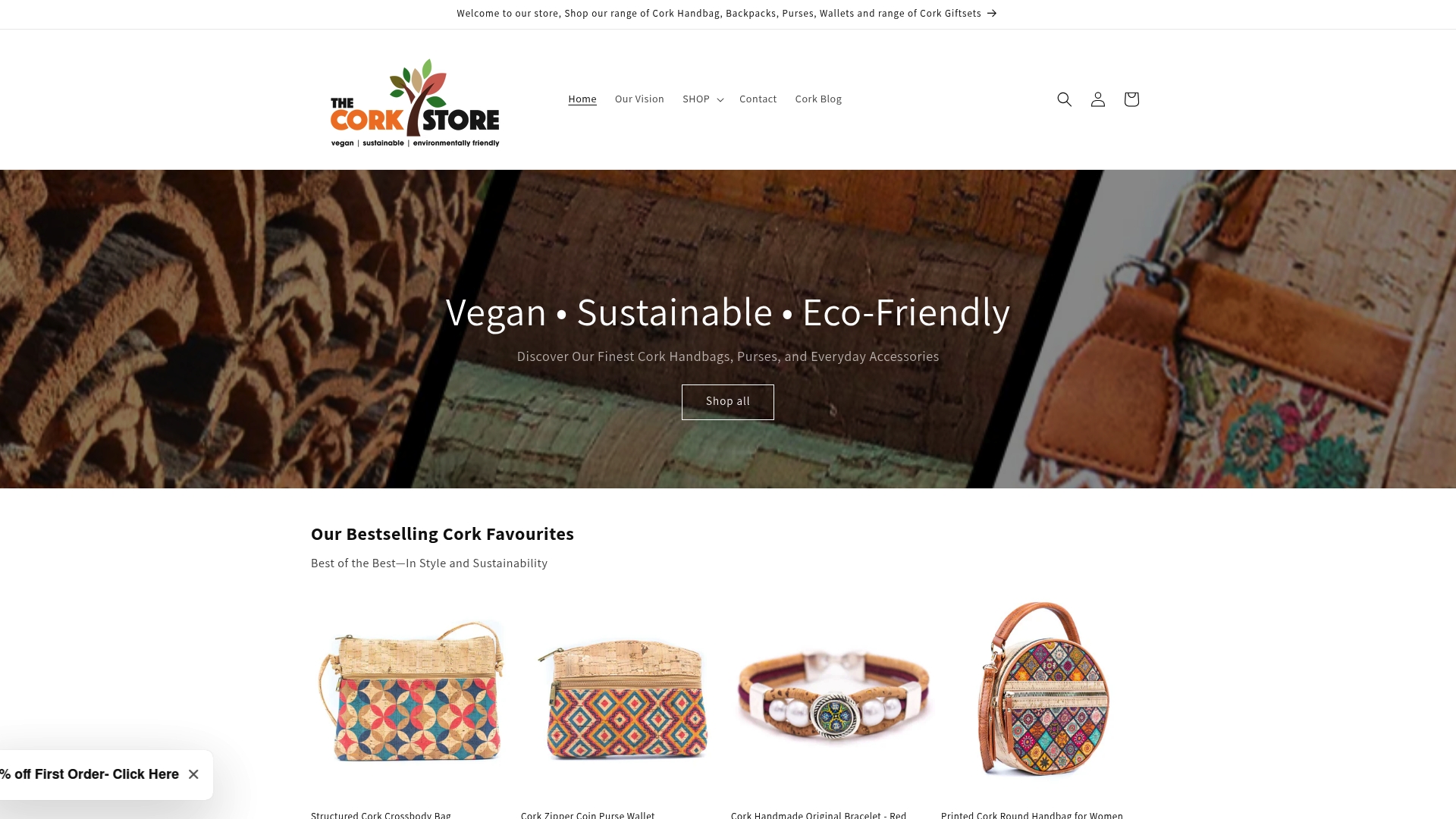
Thecorkstore specialises in vegan accessories crafted from cork, one of the most naturally sustainable materials available. Cork is harvested without cutting down trees, is fully biodegradable, and has a texture and durability that rivals leather without any of the ethical or environmental costs. Every product in the range, from cork wallets and purses to handbags and backpacks, is designed to be used daily and to last. These are not novelty gifts. They are the kind of considered, quality items that recipients reach for every morning. Browse the full collection at Thecorkstore and find a gift that genuinely earns its place.
FAQ
What makes a gift truly sustainable?
A truly sustainable gift is one made from responsibly sourced, non-toxic materials, designed to last, and used regularly enough to justify its production. Utility and longevity matter more than green labels alone.
Are sustainable gifts more expensive than conventional ones?
Sustainable gifts often cost more upfront, but cost-per-use calculations show they are typically cheaper over time than cheap disposables that need frequent replacing.
What are good sustainable gift ideas for any occasion?
Durable accessories made from cork, organic cotton, or recycled materials, along with experiences, charitable donations, and quality kitchen items like reusable cloth towels, are strong choices for most recipients and occasions.
How do I avoid greenwashing when buying eco-friendly gifts?
Look for named third-party certifications such as FSC, OEKO-TEX, or GOTS rather than relying on vague brand claims. Peer reviews and transparent materials pages are more reliable than marketing copy.
Can non-physical gifts count as sustainable?
Yes. Experiences and donations carry near-zero environmental footprint and are recognised as some of the most genuinely sustainable gifting options available, with strong emotional value to boot.
Recommended
- Why buy sustainable gifts: Real choices that matter – The Cork Store
- Why eco gifts matter: a guide to sustainable, stylish giving – The Cork Store
- Sustainable gifts: stylish, ethical choices for mindful giving – The Cork Store
- Why gift sustainable products: ethical choices that last – The Cork Store