

Cork flower pot: vegan, sustainable planters for your home
TL;DR:
- A cork flower pot is a sustainable choice for small indoor plants, harvested without harming the tree. It suits drought-tolerant plants like succulents and air plants but is unsuitable for water-loving species. Making a DIY cork planter is affordable, easy, and eco-friendly, ideal for mini arrangements or gifts.
A cork flower pot is one of the most genuinely sustainable choices you can make for small indoor plants — renewable, cruelty-free, and often achievable as a DIY project for under £10. Cork bark is harvested without felling the tree, and cork oaks regenerate their bark roughly every nine years, making the material one of the few truly low-impact options in home décor. The catch: cork planters suit small, drought-tolerant plants only. Anything thirsty or fast-growing will outgrow the cavity or rot the cork within weeks.
Best use cases at a glance:
- Mini succulent arrangements on a windowsill
- Fridge magnet planters on metal kitchen boards
- Vertical planter strips for renters who cannot drill walls
- Wedding favours or place settings in trio groupings
- Gift ideas paired with other sustainable accessories
One quick warning: do not plant water-loving species such as ferns, peace lilies, or mint. The tiny root volume and natural porosity of cork cannot support them.
Table of Contents
- What makes a cork flower pot different from other planters?
- Which plants work best in a cork planter?
- How to make a wine-cork flower pot yourself
- How to care for plants in cork planters
- Should you waterproof or line a cork planter?
- Creative ways to display cork planters at home
- Where to find cork planters and materials in the UK
- How Thecorkstore supports sustainable cork shoppers
- Key takeaways
- Cork planters: worth the effort, but know the limits
- Thecorkstore: vegan cork accessories for sustainable shoppers
- Further reading and sources used
What makes a cork flower pot different from other planters?
Cork planters come in three main forms. The first is the classic wine-cork planter: a single reclaimed stopper, hollowed out and planted with a micro-succulent. The second is a solid cork bark pot, shaped from the outer bark of Quercus suber (the cork oak) and often sold ready-made. The third is a composite cork planter, made from agglomerated cork granules pressed into a mould — denser, more uniform, and better suited to slightly larger plants.
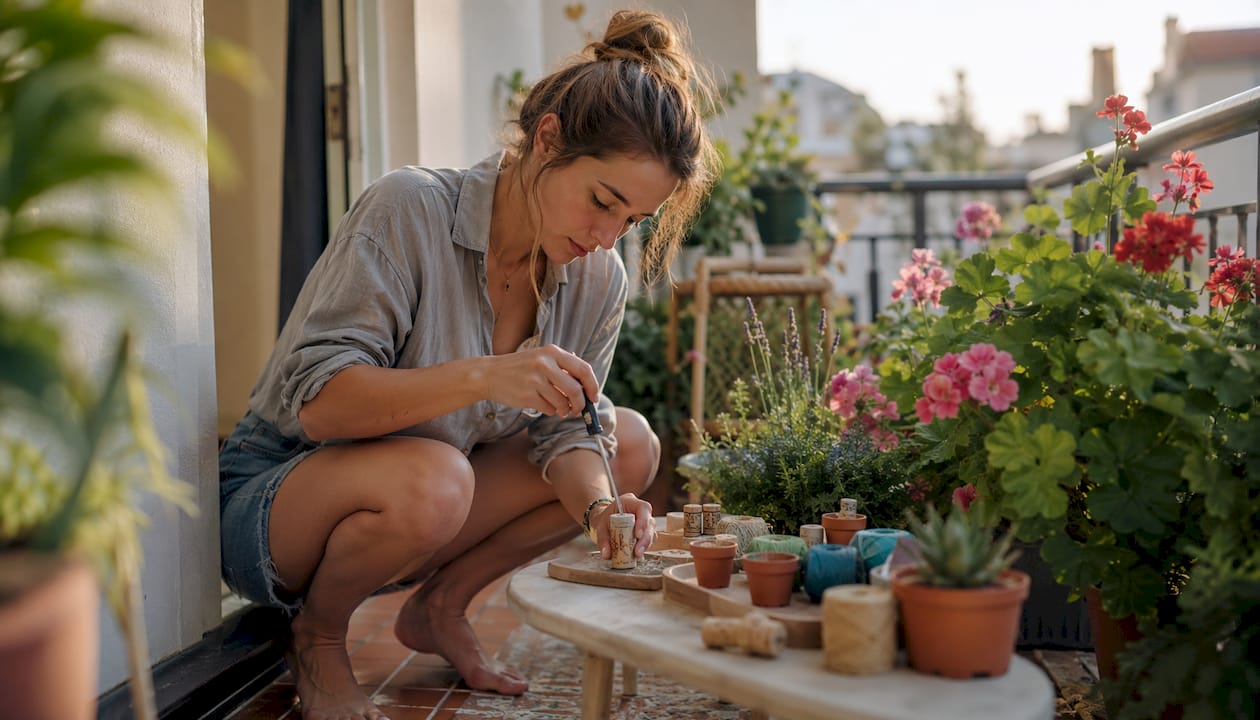
The sustainability story behind all three is the same. Cork oaks are first harvested at 20–25 years of age, then re-harvested approximately every nine years without any harm to the tree. Harvesting the bark actually stimulates the tree to absorb more CO₂ as it regenerates. For vegan shoppers, cork is entirely animal-free: no leather, no beeswax finish (unless added separately), no animal-derived glues in the base material itself.
Aesthetically, cork reads as warm and natural — closer to driftwood than plastic, and far lighter than ceramic. It also helps regulate humidity around the root zone, which suits succulents particularly well.
Pro Tip: Check the label before buying. Real cork has a distinctive honeycomb cell structure visible on the cut surface. Synthetic “cork” is usually smooth foam or PVC — it looks similar but offers none of the breathability or sustainability credentials.
Which plants work best in a cork planter?
Slow-growing, drought-tolerant species are the only sensible choice. Mini succulents such as Sedum, Sempervivum, and Haworthia are the most popular, and for good reason: their root systems are compact, they tolerate the occasional dry spell, and they stay proportionate to the cavity for months.
Air plants (Tillandsia) are arguably the easiest option of all — they need no soil, just a weekly mist, and sit perfectly in a hollowed cork without any lining.
For balance and stability, plant height should be roughly half the cork’s height, so the plant accounts for about one third of the total finished display. A plant that towers over its cork will tip; one that disappears inside it looks unfinished.
Avoid anything with spreading roots, high water needs, or rapid growth. Ferns, herbs, and tropical foliage plants will either rot the cork or become root-bound within a season.
How to make a wine-cork flower pot yourself
This project takes about 30 minutes per cork once you have the tools, and the total outlay is well under £10 when you use reclaimed wine corks.
What you need:
- Reclaimed natural wine corks (collect from restaurants, wine clubs, or charity shops)
- Mini succulent cuttings or plug trays
- Cactus and succulent compost mix
- Flat-head screwdriver (blunt edge)
- Small hand drill or Dremel (optional, for batches)
- Tweezers
- Strong adhesive (PVA or craft glue)
- Small magnets (if making fridge displays)
Steps:
- Stand the cork upright and mark the centre of the top face with a pencil.
- Press the blunt edge of a flat-head screwdriver into the mark and twist slowly, removing material in small increments. Work down to about two-thirds of the cork’s depth.
- Widen the cavity gradually, keeping the walls at least 3–4 mm thick to avoid splitting.
- Tap out any loose crumbs and blow the cavity clear.
- Add a pinch of cactus compost — just enough to fill the base of the cavity.
- Use tweezers to lower the succulent cutting into place, then press lightly to settle the roots.
- Top up with a little more compost, leaving a 1–2 mm gap at the rim.
- If making magnets, apply strong adhesive to a small magnet and press it to the flat base. Leave to cure for 24 hours before mounting.
Safety note: keep fingers clear of the cavity when using a screwdriver or drill. Work on a non-slip surface and apply steady, controlled pressure rather than force.
Pro Tip: Using the blunt edge of a flat-head screwdriver in a twisting motion is safer and more effective than a sharp knife — it compresses rather than cuts, reducing the risk of punching through the sidewall.
For larger batches, a hand drill or Dremel speeds the process considerably. If you are making 50 or more for a wedding, a drill press with a wooden jig gives consistent cavity depth every time.
How to care for plants in cork planters
The single most common mistake is overwatering. Cork is porous and will absorb moisture, but a waterlogged cavity has nowhere to drain and will rot both roots and cork within days.
| Care factor | Guidance |
|---|---|
| Watering frequency | Every 7–10 days, or when compost is fully dry |
| Watering method | Eyedropper or syringe — a few drops only |
| Soil type | Cactus and succulent mix; do not pack tightly |
| Drainage | Place a few small pebbles at the base of the cavity |
| Light | Bright, indirect light — a north- or east-facing windowsill |
| Direct sun | Avoid — direct sunlight can overheat the tiny root zone and dehydrate plants within hours |
A pebble base inside the cavity creates a micro-drainage layer that makes a real difference. Even a single layer of fine gravel between the compost and the cork floor slows moisture build-up noticeably.
Should you waterproof or line a cork planter?
For a single wine-cork planter, lining is usually unnecessary. The cork itself handles brief moisture contact well, and succulents are watered so infrequently that the material dries out between sessions.
When lining does make sense:
- Larger cork bark pots that will be watered more regularly
- Group installations where repeated watering is expected
- Any cork vessel used outdoors in wet UK weather
Lining options and trade-offs:
- Plant-based or beeswax coating: breathable, non-toxic, vegan-friendly (check the wax source). Adds modest water resistance without sealing the cork completely. Best for occasional-use planters.
- Thin plastic liner (cut from a small bag): effective moisture barrier, easy to fit, but reduces breathability and is not the most sustainable choice.
- Silicone sealant: durable and waterproof, but choose food-safe, solvent-free formulas only. Some silicone products off-gas during curing — ventilate well and allow full cure time before planting.
Avoid any sealant with a strong chemical or petroleum odour. For indoor plants, non-toxic coatings are the only sensible option, and for vegan shoppers, a plant-based wax is the most consistent choice. The role of eco materials in cork products is worth reading before you commit to a coating.
Pro Tip: For a quick, vegan-friendly seal on a larger cork pot, rub a thin layer of carnauba wax (derived from palm leaves) around the interior. It is food-safe, plant-based, and widely available in UK craft shops.
Creative ways to display cork planters at home
The rustic texture of cork pairs well with neutral interiors — raw linen, pale wood, and whitewashed brick all work. A single cork planter on a desk is charming; a grid of nine on a metal board is genuinely striking.
Gluing a small magnet to the base of each cork planter turns the whole arrangement into a movable display. Rearrange it seasonally, swap in new plants, or take individual corks down for watering without dismantling the whole wall.
Cork is light and easy to drill for mounting, making vertical planter strips a practical option for urban renters who need low-damage green accents without permanent fixings.
For events, trio groupings of cork planters make elegant place settings or wedding favours. Tie a small label around each cork with natural twine, tuck in a Sempervivum cutting, and you have a gift that guests can actually keep alive. The cost per unit stays low when you source corks in bulk from local restaurants or wine clubs.
Where to find cork planters and materials in the UK
Wine corks are easy to source for free: ask at local restaurants, wine bars, or your nearest wine club. Many charity shops also sell bags of mixed corks for craft projects. For small succulent plug trays, garden centres and online plant retailers stock them year-round, typically in packs of five or ten.
For ready-made cork bark pots, check:
- Online craft marketplaces (search “natural cork planter” and filter by UK sellers)
- Independent garden centres with an eco or sustainable range
- Specialist cork retailers who stock FSC-certified Portuguese cork products
Quality checklist before you buy:
- Surface feels firm and slightly rough, not smooth or foamy (smooth = synthetic)
- No petroleum or chemical smell — natural cork has a faint woody, slightly earthy scent
- Label states “natural cork” or “cork bark,” not “cork-effect” or “cork-look”
- For online purchases, check the seller’s return policy and read reviews mentioning texture and smell
- Confirm any glues or sealants used are non-toxic and, if relevant to you, vegan-friendly
Learning to spot quality cork products before you buy saves disappointment, particularly with online craft sellers where product photography can flatter synthetic alternatives.
How Thecorkstore supports sustainable cork shoppers
Thecorkstore is built around the same values that make cork planters appealing: vegan credentials, renewable materials, and a preference for natural over synthetic. While the shop focuses on cork fashion accessories rather than garden products, its blog covers cork sustainability in depth — including how cork promotes sustainability and the broader case for choosing cork over leather or plastic.
For readers who arrived here via an interest in sustainable living, the connection is direct. Cork’s renewability, its animal-free production, and its biodegradability are the same reasons Thecorkstore builds handbags, wallets, and backpacks from the material. The rising popularity of cork products reflects a wider shift toward materials that do not cost the planet or its animals.
Key takeaways
Cork flower pots are a genuinely sustainable, vegan-friendly choice for small indoor plants, achievable as a DIY project for under £10 using reclaimed wine corks and basic tools.
| Point | Details |
|---|---|
| Sustainability credentials | Cork oaks are re-harvested every nine years without felling, making cork one of the most renewable plant-based materials available. |
| Best plant matches | Mini succulents (Sedum, Haworthia, Sempervivum) and air plants suit the small cavity and infrequent watering schedule. |
| DIY cost | A batch of cork planters can be made for under £10 using reclaimed wine corks and basic tools. |
| Care rule | Water every 7–10 days using an eyedropper; use bright, indirect light and avoid direct midday sun. |
| Thecorkstore | Thecorkstore’s blog covers cork sustainability and upcycling in detail — a useful resource for readers exploring cork beyond planters. |
Cork planters: worth the effort, but know the limits
The conventional wisdom around cork planters tends to romanticise them slightly. They photograph beautifully, they fit the sustainable-living narrative, and they genuinely are made from one of the most responsibly harvested materials on the planet. All of that is true.
What gets glossed over is how unforgiving they are if you choose the wrong plant or water too generously. A wine cork holds perhaps a teaspoon of compost. There is no margin for error. The readers who get the most from cork planters are those who treat them as a display medium for near-indestructible plants — not as a general-purpose pot with a sustainability badge.
The other thing worth saying: the DIY version is genuinely satisfying. Hollowing a cork with a screwdriver, settling a tiny Haworthia into place, and mounting the result on a kitchen board costs almost nothing and produces something that looks considered and intentional. That combination of low cost, low impact, and high visual return is rare.
Thecorkstore: vegan cork accessories for sustainable shoppers
If cork’s sustainability credentials have caught your attention, Thecorkstore takes the same material further. The shop sells a curated range of vegan cork handbags, wallets, and accessories — all made without leather, animal glues, or synthetic plastics. Every product carries the same renewability story as a cork planter, scaled up into something you carry every day.
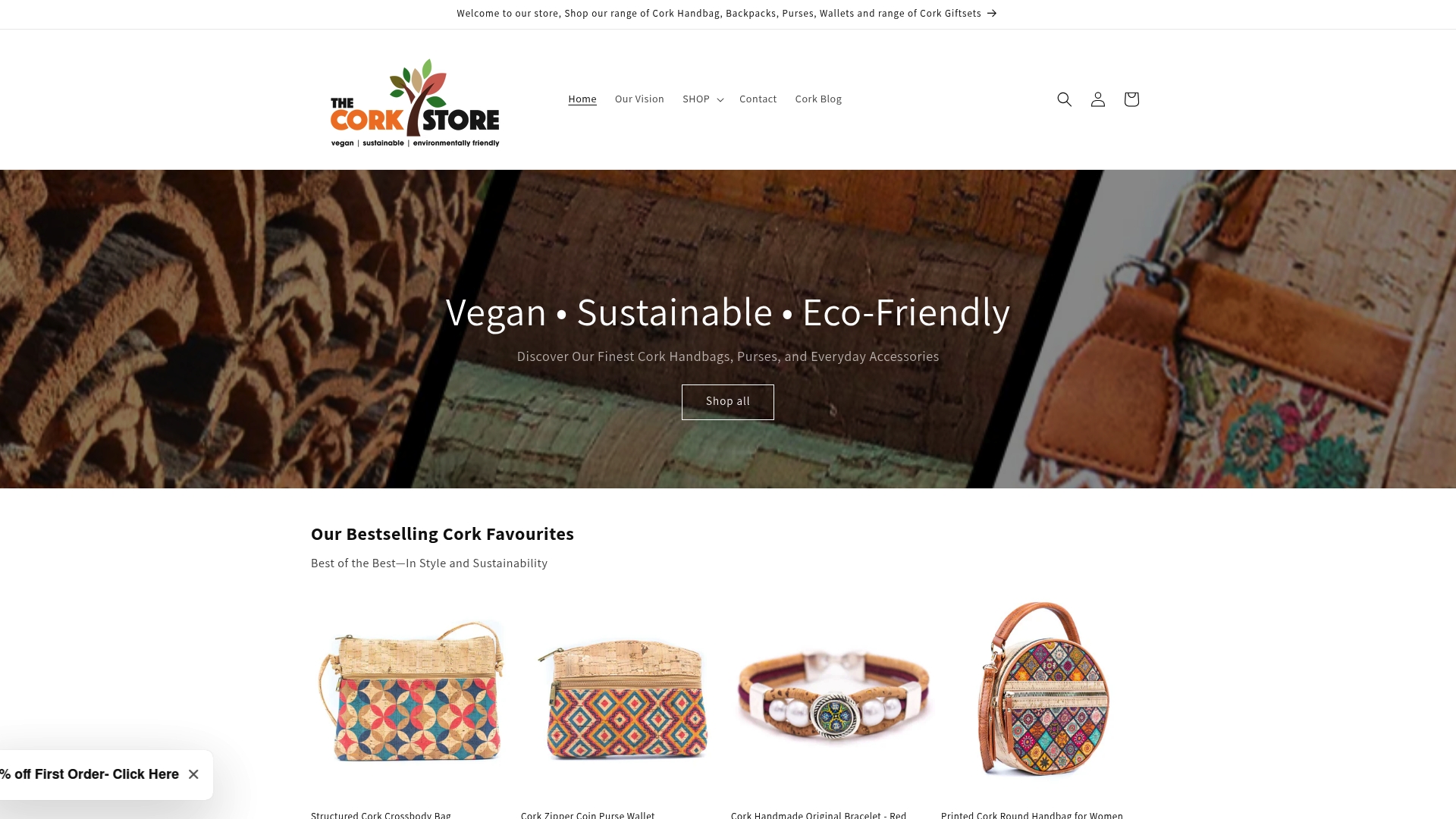
The cork wallet gift set is a particularly good option if you are looking for a sustainable gift that pairs naturally with a handmade cork planter. For a broader selection, the vegan cork gift collection covers everything from purses to accessory sets. Browse the full range at Thecorkstore and find something that lasts as long as the values behind it.
Note: for live-plant cork planters, always choose lined or sealed vessels where repeated watering is expected.
Further reading and sources used
- DIY cork planter tutorial and cost guide — Decoist
- Wine cork succulent planter guide — ArtsyPrettyPlants
- Mini cork planter care and light guidance — The Weather
- Cork planter proportion guide — Parkview Nursery
- Cork planter wall and magnet display ideas — Garden Aura Studio
- Cork bark flower pot sustainability information — Inna-Glas
- Natural cork flower pot product page — Portugalia Cork
- How cork promotes sustainability — Thecorkstore blog
- How to upcycle cork products — Thecorkstore blog