
Discover the impact of upcycling in modern fashion
TL;DR:
- Upcycling transforms discarded materials into higher-value, unique fashion accessories.
- Genuine upcycling requires brands to reduce new production and source reclaimed materials responsibly.
- Incorporating upcycled accessories supports waste reduction, individuality, and sustainable fashion practices.
Sustainable fashion has a reputation problem. Many people assume that choosing eco-friendly accessories means settling for something dull, shapeless, or worthy-but-boring. Fashion brands embracing upcycling are dismantling that myth one beautifully crafted piece at a time. Upcycling takes discarded or unwanted materials and transforms them into something of greater value, blending environmental responsibility with genuine creative flair. In this guide, you will learn exactly what upcycling means in fashion, why it matters, how brands are putting it into practice, and how you can bring it into your own wardrobe with confidence.
Table of Contents
- What is upcycling in fashion?
- Why upcycling matters for conscious consumers
- How fashion brands embrace upcycling
- Challenges and misconceptions in upcycled fashion
- Upcycling in your wardrobe: Practical tips for stylish, sustainable choices
- Why authentic upcycling is the future of fashion
- Upcycled accessories: Where to find your next statement piece
- Frequently asked questions
Key Takeaways
| Point | Details |
|---|---|
| Upcycling explained | Upcycling turns discarded textiles into higher-value, stylish accessories, unlike recycling or downcycling. |
| Consumer benefits | Eco-conscious shoppers can enjoy unique pieces while contributing to waste reduction and sustainability. |
| Brand diversity | Fashion brands embrace upcycling in various ways, from core missions to limited collections, giving more choices to consumers. |
| Spot authentic efforts | Look for transparency and genuine sustainability practices to avoid greenwashing in upcycled fashion. |
| Practical tips | Incorporating upcycled pieces into your wardrobe is a stylish and impactful way to support the circular fashion movement. |
What is upcycling in fashion?
Let’s start with what upcycling really means and how it compares to other approaches to sustainable fashion.
Upcycling in fashion means taking something that would otherwise be thrown away and turning it into a product of higher quality or greater value than the original. A worn denim jacket becomes a patchwork tote. Offcut leather scraps become a structured wallet. Surplus factory fabric becomes a limited-edition clutch. The key word is higher value, and that is what separates upcycling from its cousins.
Upcycling contrasts sharply with downcycling, which degrades materials into something of lower quality. When a cotton garment is shredded into industrial rags or insulation, that is downcycling. Recycling sits somewhere in the middle, breaking materials down chemically or mechanically to create new raw materials. Upcycling skips the breakdown entirely and uses creative redesign to add value directly.
Understanding these distinctions matters when you are browsing eco-friendly fashion terms or trying to decode what brands actually mean on their labels.
Upcycling vs downcycling: Upcycling elevates a discarded material into something of greater worth through creativity and craftsmanship. Downcycling reduces a material’s quality and function. One builds value; the other loses it.
Common upcycling processes in fashion include:
- Repurposing: Using a material for a completely different function, such as turning sail canvas into a crossbody bag
- Creative redesign: Altering the form of a garment or accessory to create something new and distinct
- Repairing: Restoring damaged items with intentional, visible craftsmanship (think visible mending or kintsugi-inspired stitching)
- Remanufacturing: Deconstructing items and reassembling them into entirely new products using the original components
Knowing these processes helps you identify genuinely upcycled pieces when you shop, rather than falling for vague sustainability claims. When a brand talks about sustainable materials, understanding the process behind the product is just as important as knowing what the material is.
Why upcycling matters for conscious consumers
Now that you know what upcycling entails, let’s explore why it resonates so powerfully with style-minded, environmentally conscious shoppers.
The environmental case is straightforward. Every piece of clothing or accessory that gets upcycled is one fewer item heading to landfill. The fashion industry generates an enormous volume of textile waste each year, and upcycling intercepts that waste stream before it becomes a problem. But the appeal goes well beyond environmental guilt reduction.
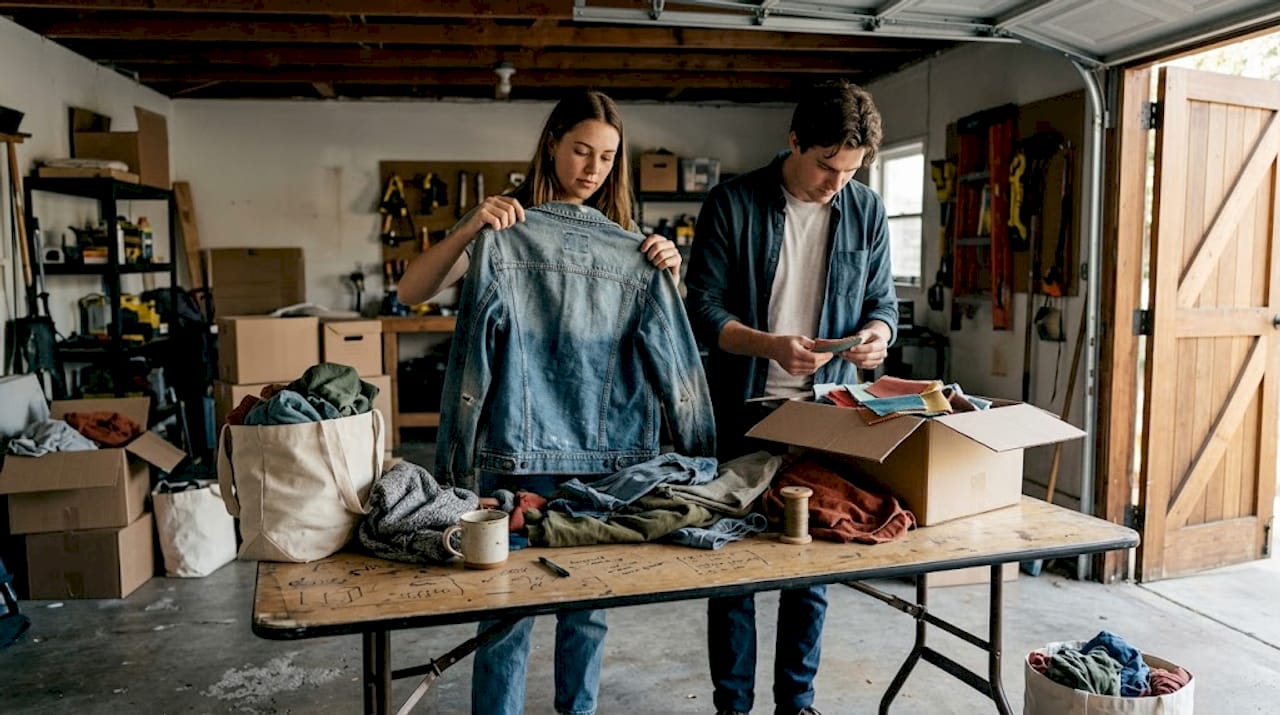
Upcycled pieces are, by their very nature, unique. Because they are made from varied source materials, no two items are ever exactly alike. That irregularity, far from being a flaw, becomes a selling point. Your upcycled cork and reclaimed fabric bag is genuinely one of a kind. It tells a story. It starts conversations. That kind of individuality is something mass-produced fast fashion simply cannot replicate.
Market growth data confirms that demand for upcycled fashion is rising sharply, driven particularly by Gen Z consumers who prioritise both authenticity and environmental values in their purchasing decisions. This is not a niche interest confined to eco-activists. It is becoming a mainstream expectation.
Here is why upcycled accessories appeal so strongly to conscious shoppers:
- Eco-values alignment: Buying upcycled means your money actively supports waste reduction rather than new resource extraction
- Genuine uniqueness: Variations in source material mean your piece is truly individual, not just a colourway choice from a catalogue
- Conversation starters: Upcycled accessories invite curiosity and allow you to share the story behind what you are wearing
- Supporting smaller makers: Many upcycled pieces come from independent designers and small studios, keeping craft skills alive
- Reduced carbon footprint: Transforming existing materials requires far less energy than manufacturing from virgin resources
Keeping up with eco-friendly fashion trends shows just how central upcycling has become to the broader sustainable wardrobe movement in 2026.
Pro Tip: When selecting an upcycled accessory, ask the brand or seller to describe the source material. Genuine upcycling means they will know exactly where the material came from and why it was chosen. Vague answers like “reclaimed fabric” without further detail can be a warning sign.
Building a sustainable wardrobe does not require replacing everything at once. Adding even one or two upcycled accessories to your existing collection makes a measurable difference.
How fashion brands embrace upcycling
But upcycling is not just a consumer movement. Fashion brands are getting involved too. Here’s how they’re making a difference.
Brands approach upcycling in three distinct ways, and understanding the difference helps you make more informed choices when you shop.
| Brand type | Example | Upcycling approach | Limitations |
|---|---|---|---|
| Core mission brand | Freitag | Every product made from reclaimed truck tarpaulins, seatbelts, and bicycle inner tubes | Higher price point; limited scalability |
| Established brand with upcycled line | Urban Outfitters (Urban Renewal) | Dedicated range of reworked vintage and deadstock garments | Upcycling is a fraction of total output |
| Limited collection | Stella McCartney | Occasional capsule collections using surplus or reclaimed materials | Infrequent; can feel tokenistic |
Brands adopt upcycling across this spectrum, from businesses built entirely around the concept to large fashion houses dipping a toe in with a seasonal capsule. Each approach has merit, but they are not equivalent.
Core mission brands like Freitag are arguably the gold standard. Their entire supply chain, identity, and product range is built around upcycling. There is no “conventional” line running alongside it. Established brands with upcycled sub-lines, such as Urban Renewal, offer accessibility and scale but can sometimes feel like sustainability as a side project rather than a core value. Limited collections from luxury brands generate headlines and goodwill, but they represent a tiny fraction of production.
When shopping these brands, look for:
- Clear disclosure of what the source material is and where it came from
- Evidence that upcycling is integrated into the brand’s core operations, not just marketing materials
- Transparency about what percentage of their overall output is genuinely upcycled
- Third-party certifications or audits that verify sustainability claims
Learning to spot sustainable fashion means going beyond the label and asking harder questions about process and scale. The role of eco-friendly materials in fashion is significant here too, since the source material’s origin is as important as what is done with it.
Challenges and misconceptions in upcycled fashion
With all these advancements, it’s important to stay mindful of the real-life hurdles and misunderstandings that upcycled fashion still faces.
Upcycling is genuinely promising, but it is not without its complications. The biggest structural challenge is scale. Because upcycling depends on a consistent supply of suitable discarded materials, it is inherently harder to mass-produce than conventional manufacturing. A brand making bags from reclaimed truck tarpaulins can only make as many bags as tarpaulins are available. That unpredictability makes investors nervous and limits growth.
Contrasting viewpoints on upcycling highlight a real tension: upcycling is excellent for short-term environmental impact and creative innovation, but recycling scales more effectively for bulk material processing. Neither approach is universally superior. The honest answer is that fashion needs both, applied in the right contexts.
A critical perspective: “Upcycling promotes creativity and sustainability, but without systemic reduction in new production, it risks becoming a marketing tool rather than a genuine solution. The anti-industry view holds that true sustainability means making and consuming less overall, not simply finding clever uses for existing waste.”
Common misconceptions about upcycled fashion include:
- “Upcycling is just a trend”: It has roots in wartime necessity and craft traditions stretching back centuries. The current wave is a revival, not an invention.
- “It’s not truly sustainable”: Upcycling consistently reduces waste and energy use compared to virgin production, making it genuinely impactful even if imperfect.
- “It’s just marketing spin”: Some brands do misuse the term, but many are doing the real work. The difference lies in transparency and verifiability.
- “Upcycled means lower quality”: Done well, upcycling produces pieces of exceptional quality and character that outlast fast fashion by years.
- “It’s too expensive to be worth it”: The higher upfront cost reflects genuine craftsmanship and longevity. Cost-per-wear often makes upcycled pieces excellent value.
Understanding why sustainable fashion matters means looking past these myths and evaluating brands on their actual practices. Useful guidance on separating genuine sustainability from performance can also be found through sustainable shopping tips from independent sources.
Pro Tip: To spot greenwashing, search for a brand’s sustainability report or materials sourcing page. If they cannot tell you specifically what materials were reclaimed, from where, and in what quantities, the upcycling claim deserves scepticism.
Upcycling in your wardrobe: Practical tips for stylish, sustainable choices
For those ready to put insights into action, here’s how to make upcycling a part of your daily wardrobe.
Adding upcycled pieces to your wardrobe is easier than you might think, and the results are far more interesting than a standard shopping trip. The key is knowing what to look for and how to wear it with intention.
Here is a step-by-step approach to building upcycled accessories into your style:
- Start with accessories, not clothing: Bags, wallets, and purses are the easiest entry point. They do not need to fit like a garment, and a single statement piece can transform an entire outfit.
- Research the brand before you buy: Check their website for specific information about source materials, production process, and any third-party verification of their sustainability claims.
- Read the label carefully: Look for descriptions that name specific reclaimed materials rather than generic terms like “eco-friendly” or “sustainable.”
- Ask questions: A genuinely transparent brand will welcome questions about their materials and process. Reluctance to answer is informative.
- Mix upcycled with what you already own: You do not need a fully upcycled wardrobe to make an impact. One or two key pieces integrated with existing items creates a cohesive, considered look.
- Care for upcycled pieces properly: Because source materials vary, follow care instructions carefully to extend the life of each item as long as possible.
Upcycled accessories offer a genuinely stylish alternative to conventional options, and their environmental credentials are measurable. Consider the comparison below:
| Accessory type | Traditional production impact | Upcycled alternative impact |
|---|---|---|
| Leather handbag | High water use, chemical tanning, animal welfare concerns | Reclaimed materials, no new tanning, significantly lower footprint |
| Synthetic wallet | Petroleum-based materials, non-biodegradable | Repurposed fabric or cork, biodegradable or recyclable |
| Cotton canvas tote | Water-intensive crop, pesticide use | Deadstock or reclaimed canvas, no new cultivation required |
Exploring sustainable fashion essentials gives you a broader framework for making choices that align with your values across your entire wardrobe, not just individual purchases.
Pro Tip: When mixing upcycled and new pieces, let the upcycled item lead. Build the rest of your outfit around its colours, textures, and character rather than trying to make it fit a pre-existing look. The result feels intentional rather than accidental.
Why authentic upcycling is the future of fashion
Let’s take a step back and consider why demanding true upcycling is so crucial for the future of our wardrobes and the planet.
Here is something the mainstream sustainability conversation tends to avoid: most brands that use the word “upcycling” have not fundamentally changed how they operate. They have added a capsule collection, issued a press release, and moved on. The underlying model, which is producing enormous volumes of new goods, remains untouched. That is not upcycling. That is upcycling as decoration.
Authentic upcycling requires something more uncomfortable: a genuine reduction in new production. It means building supply chains around reclaimed materials rather than treating them as a supplement to virgin production. It means accepting that output will be smaller, less predictable, and harder to scale. That is a difficult commitment for any commercially driven brand to make, which is precisely why so few make it fully.
What consumers can do is use purchasing power deliberately. When you choose a brand that has built its entire identity around reclaimed materials, you are rewarding a genuinely different model. When you buy a limited upcycled line from a brand that otherwise operates at massive scale, you are funding a marketing exercise more than a systemic shift.
We believe the future of fashion belongs to brands willing to make the harder choice: to build from the ground up around materials that already exist, rather than extracting new ones. Cork is a perfect example of this thinking. It is harvested without felling trees, regenerates naturally, and can be crafted into accessories that rival leather in durability and far exceed it in environmental credentials.
Tracking future fashion trends reveals that the brands gaining real traction with conscious consumers are those with verifiable, systemic commitments to sustainability rather than seasonal gestures. Consumers who demand transparency, ask hard questions, and reward genuine innovation are the ones shaping what fashion becomes next. That is a significant amount of power, and it is worth using.
Upcycled accessories: Where to find your next statement piece
Ready to take the next step? Here’s where you can discover accessories that put these principles into practice.
At The Cork Store, every accessory is crafted from cork, one of the most naturally sustainable materials available. Cork harvesting does not harm the tree, the bark regenerates, and the finished products are vegan, cruelty-free, and built to last. It is not upcycling in the traditional sense, but it embodies the same core values: using materials responsibly, reducing environmental impact, and creating something genuinely beautiful in the process.
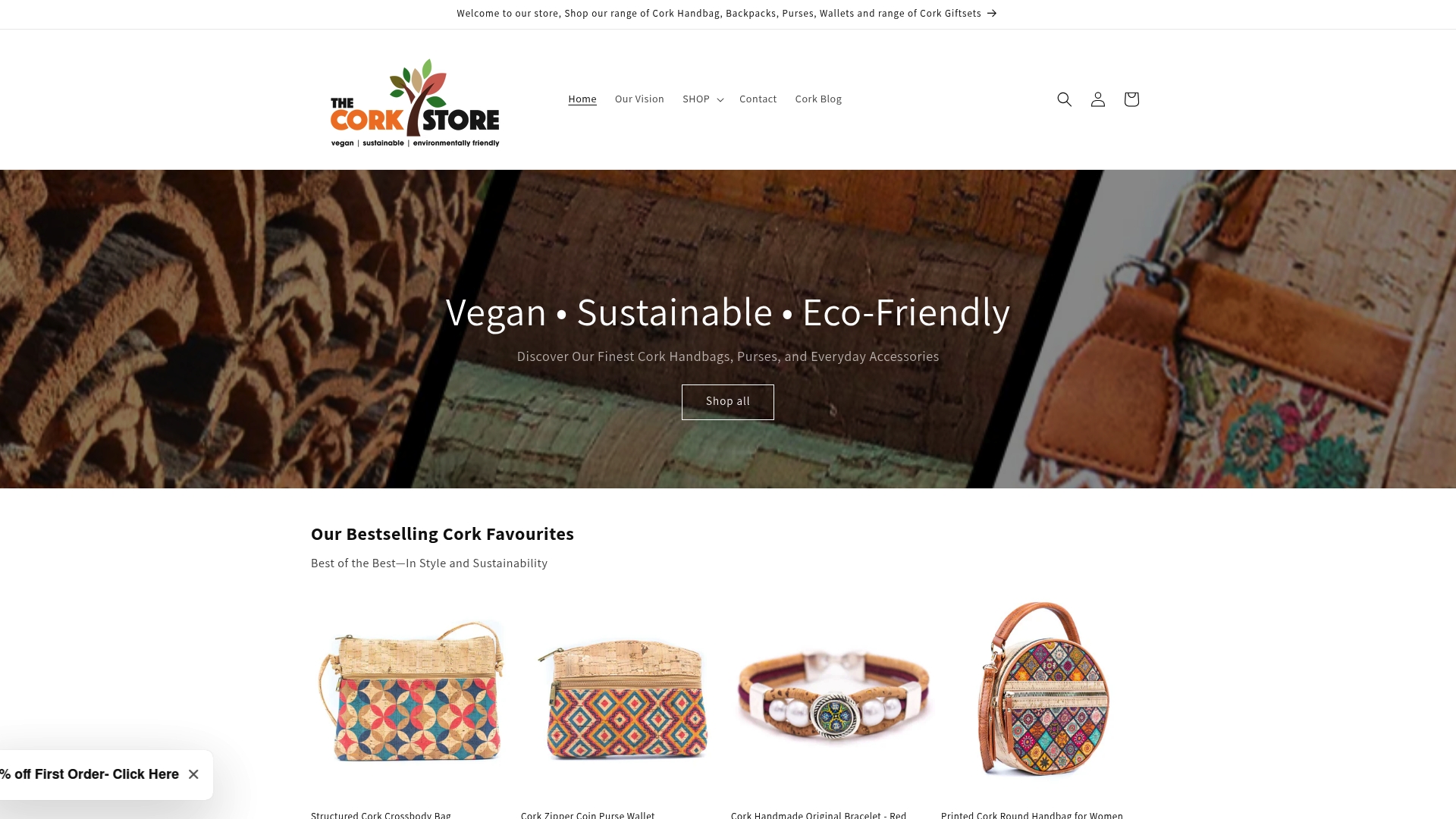
If you are ready to invest in accessories that align with your values without compromising on style, explore the full range at The Cork Store. For everyday carry, the cork zipper coin purse is a compact, elegant choice made entirely from natural cork. For something with a distinctive character, the marine cork wallet combines functionality with a striking aesthetic. Each piece is a considered alternative to conventional leather, made for people who want their accessories to reflect what they actually believe.
Frequently asked questions
Is upcycled fashion more sustainable than recycled fashion?
Yes, upcycling often offers greater short-term benefits than recycling, as it transforms discarded items into valuable products without breaking down materials, though recycling scales more effectively for bulk processing.
How can I tell if an accessory is genuinely upcycled?
Look for brand transparency about specific source materials and production process. Genuine upcycling means a brand can tell you exactly where materials came from and why they were chosen, rather than offering vague sustainability language.
What kinds of accessories can be upcycled?
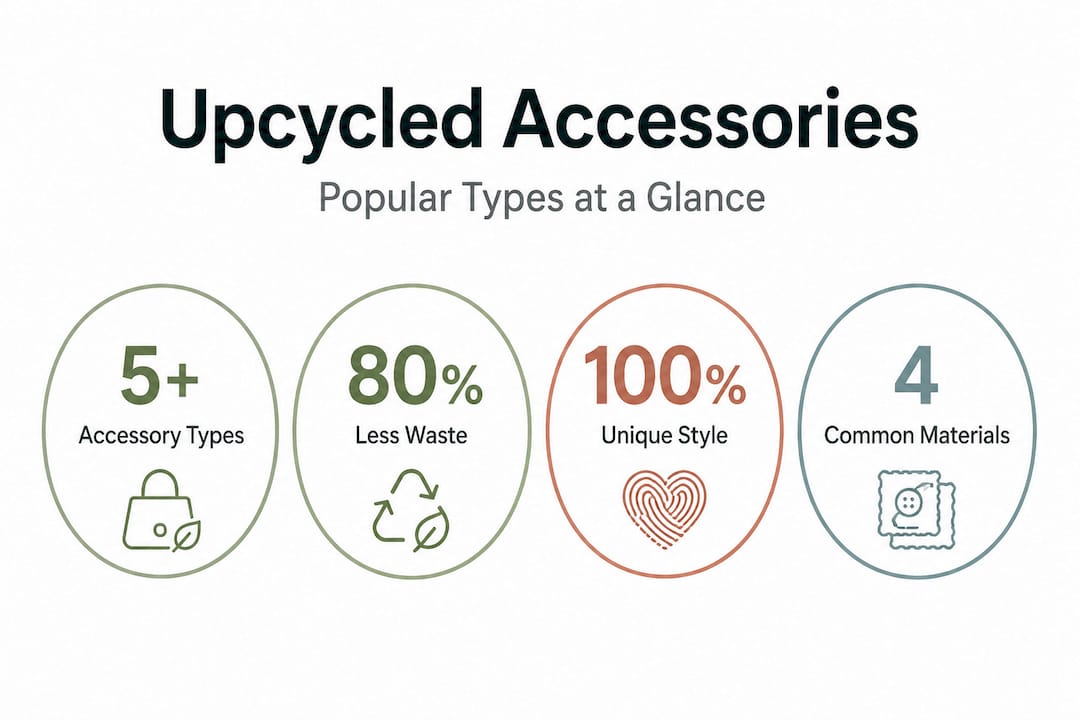
Common upcycled accessories include bags, wallets, purses, belts, jewellery, and shoes. Each is made from reclaimed textiles or materials transformed through creative redesign or remanufacturing.
Does buying upcycled fashion actually make a difference?
Yes. Choosing upcycled fashion reduces waste directly by giving existing materials new life, lowering demand for virgin resource extraction and supporting a more circular approach to fashion.
Why isn’t upcycling more common in mainstream brands?
Wider adoption is limited by the need for consistent supply of suitable reclaimed materials, scalability challenges, and higher production costs compared to conventional manufacturing methods.
Recommended
- Eco-Friendly Fashion Tips: Upgrade Your Wardrobe Sustainably – The Cork Store
- Understanding the Role of Eco-Friendly Materials in Fashion – The Cork Store
- 7 Key Sustainable Fashion Trends 2025 for Eco Shoppers – The Cork Store
- Innovation in Sustainable Fashion: Shaping Ethical Style – The Cork Store