

Why you should avoid fast fashion: stylish ethical choices
TL;DR:
- Fast fashion accelerates environmental destruction and exposes workers to exploitation due to its rapid, volume-driven model. Supporting sustainable brands and choosing durable, natural materials can help consumers build ethical wardrobes while reducing waste and pollution. Individual actions influence market shifts toward transparency, fairness, and environmentally responsible practices.
Fast fashion promises everything: trend-led styles at prices that feel almost too good to be true. And that’s precisely the problem. The average consumer now buys 60% more clothing than they did 15 years ago, yet keeps each garment for half as long. Behind every £5 T-shirt lies a trail of environmental damage, exploited workers, and mountains of textile waste that most shoppers never see. If you care about dressing with integrity, this guide will walk you through what fast fashion is really costing the planet and show you exactly how to build a more ethical, cruelty-free wardrobe without sacrificing style.
Table of Contents
- Understanding the real cost of fast fashion
- How fast fashion drives waste and pollution
- The ethical dimension: Labour and exploitation in fast fashion
- Signs of fast fashion and choosing cruelty-free, stylish alternatives
- A fresh perspective: Why breaking free from fast fashion matters more than ever
- Eco-friendly fashion is possible: find your cruelty-free alternative
- Frequently asked questions
Key Takeaways
| Point | Details |
|---|---|
| Fast fashion’s hidden toll | Cheap clothing often means massive waste, pollution, and human exploitation behind the scenes. |
| Spotting sustainable alternatives | Look for transparency, ethical materials, and longer life cycles when choosing eco-friendly fashion. |
| Practical ways to act | By reducing purchases and extending garment lifespans, you help tackle both environmental and ethical harms. |
| Your choices matter | Shifting to cruelty-free and vegan options helps change both industry norms and environmental impacts. |
Understanding the real cost of fast fashion
Fast fashion works by compressing the traditional fashion cycle into weeks rather than months. Where a conventional brand might release two seasonal collections per year, fast fashion retailers push out new ranges every fortnight, sometimes every week. The entire model is engineered around speed, disposability, and volume. Clothes are designed to be worn a handful of times before falling apart or simply going out of style, encouraging you to buy again immediately.
This relentless churn carries serious consequences. As fast fashion drives overproduction, resources are consumed at a rate the planet cannot sustain, pushing ecological harm into every stage of the supply chain. Cotton farming depletes freshwater. Synthetic fibres shed microplastics. Dyeing processes release toxic chemicals into rivers. None of this is reflected in a £12 dress hanging on a high-street rack.
The social fallout is just as severe. When brands compete on who can produce the cheapest garment the fastest, the pressure gets passed directly to factories in lower-income countries. Workers face punishing quotas, unsafe buildings, and wages that barely cover basic living costs. The human cost of a bargain is paid by someone else, somewhere else.
For anyone working towards a more mindful wardrobe, understanding eco-friendly fashion tips for building a sustainable wardrobe is the first practical step away from this cycle.
| Feature | Fast fashion | Sustainable fashion |
|---|---|---|
| Production pace | Weeks per collection | Seasons or on-demand |
| Material quality | Low-grade, synthetic-heavy | Durable, natural or certified |
| Worker conditions | Often unverified | Transparent supply chains |
| Environmental impact | High waste, high pollution | Reduced footprint, circular design |
| Product lifespan | Short, designed for disposal | Long-lasting, repaired or repurposed |
| Price per wear | High (despite low retail price) | Lower when spread across years |
“The fashion industry’s linear model, take, make, and dispose, is fundamentally incompatible with a planet that has finite resources. Overproduction is not a side effect of fast fashion. It is the business model.”
This comparison makes one thing clear. The apparent affordability of fast fashion is an illusion. When you account for how quickly garments wear out and how little they can be repaired or resold, the true cost per wear is often higher than buying quality once and keeping it for years.
How fast fashion drives waste and pollution
Textile waste is one of the most urgent and least discussed environmental crises we face. Globally, the equivalent of one rubbish truck full of clothes is dumped in landfill or burned every single second. That staggering figure points to a systemic problem rooted in how fast fashion is designed, produced, and discarded.
The low quality and short wear cycles that define fast fashion reduce the likelihood of garments being donated, resold, or repurposed. Fabrics that pill, fade, or fall apart after three washes simply have nowhere useful to go. They pile up in landfill sites, where synthetic fibres can take 200 years or more to break down. Natural fibre blends, though slightly better, often contain chemical treatments that slow their decomposition significantly.
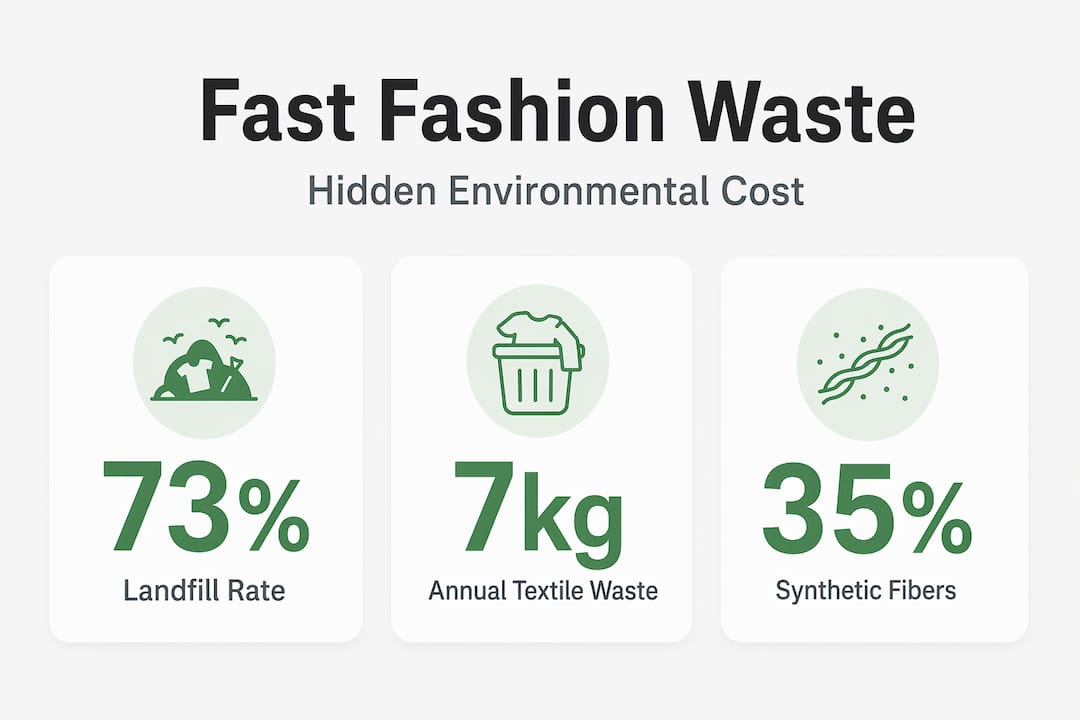
Microplastics are arguably the most invisible and alarming dimension of this crisis. When synthetic fabrics like polyester and nylon are washed, they shed microfibres into water systems, which pass through wastewater treatment plants and enter rivers, oceans, and eventually the food chain. Studies estimate that a single wash cycle can release hundreds of thousands of synthetic fibres. These particles accumulate in marine life, in drinking water, and increasingly in human tissue.
Key pollutants from textile production:
- Chemical dyes and finishing agents discharged into waterways
- Carbon emissions from global freight and factory energy use
- Pesticide runoff from conventionally farmed cotton
- Microplastics and synthetic microfibres released during washing
- Bleaching agents that disrupt aquatic ecosystems
To learn practical ways to reduce fashion waste in your daily life, small shifts in buying habits genuinely change the equation.
| Textile waste fact | Figure |
|---|---|
| Percentage of clothing ending in landfill globally | Approx. 73% |
| Average times a garment is worn before disposal | 7 to 10 times |
| Years for synthetic fabric to decompose | Up to 200 years |
| Litres of water to produce one cotton T-shirt | Around 2,700 litres |
Pro Tip: Choosing one well-made piece instead of three cheap alternatives doesn’t just save money over time. It removes the entire downstream waste problem of three garments that would otherwise reach landfill within months.
The ethical dimension: Labour and exploitation in fast fashion
The environmental damage is serious. But the human cost of fast fashion is equally hard to ignore once you know where to look. The relentless pressure to deliver new collections faster and cheaper has created a race to the bottom in garment worker wages and conditions. Brands frequently outsource production through layers of subcontractors, which makes accountability difficult and exploitation easier to hide.
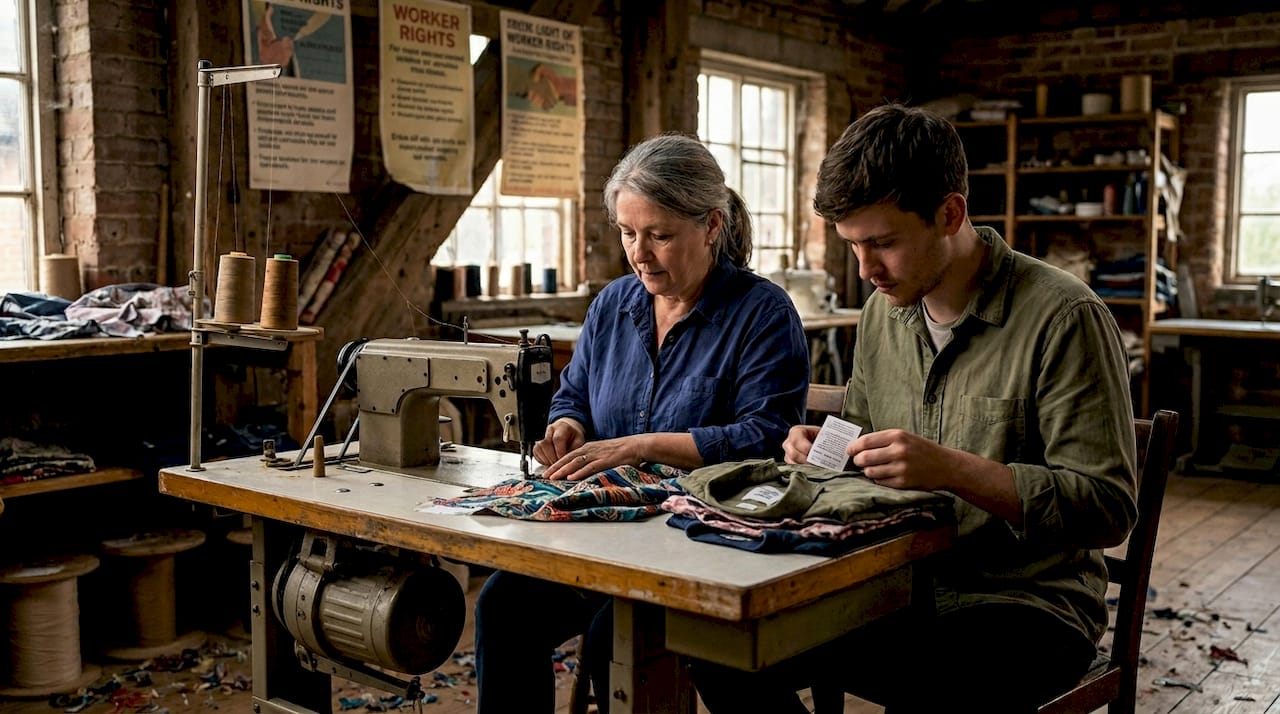
Fast fashion’s labour practices commonly fail to ensure the fair wages and safe conditions that workers deserve. In many factories, especially those with the least negotiating power, workers are pressured to meet impossible targets, refused sick leave, and paid wages well below a living standard. The 2013 Rana Plaza factory collapse in Bangladesh, which killed over 1,100 garment workers, remains the most devastating example of what happens when production speed is prioritised above basic safety.
Wage theft is also common. Workers report receiving less than agreed pay, having wages docked for minor mistakes, and being denied overtime pay despite working excessive hours. Women, who make up the vast majority of garment workers globally, face additional risks including harassment and discrimination in workplaces that lack formal grievance procedures.
How to identify brands with exploitative practices:
- Check whether the brand publishes a supplier list or factory audit reports. Genuine transparency means naming names.
- Search for third-party certifications such as Fair Trade, GOTS, or B Corp status. These require independent verification, not just a brand’s word.
- Read independent reports or news coverage. Brands committed to ethical practices rarely appear in investigative pieces about wage theft or unsafe conditions.
- Look at pricing critically. A garment priced so cheaply that it’s hard to imagine how it was made at cost almost certainly cut corners in the supply chain.
Understanding ethical fashion in depth helps you move from passive awareness to genuinely informed buying decisions.
Signs of fast fashion and choosing cruelty-free, stylish alternatives
Recognising fast fashion is the first step to avoiding it. Many brands use sustainability language in their marketing without substantially changing their practices. Knowing the real red flags protects you from greenwashing and helps you direct your spending towards brands that genuinely deserve your support.
Fast fashion red flags to watch for:
- New styles appearing weekly or fortnightly rather than seasonally
- Prices so low that ethical production seems financially impossible
- Heavy reliance on polyester, nylon, acrylic, or other synthetic materials
- No published supplier information, factory names, or transparency report
- Vague sustainability claims with no third-party certification to back them up
- Products designed without repair, resale, or recycling in mind
The signs of sustainable fashion are just as specific. Look for brands that name their suppliers, explain their material sourcing, and hold recognised certifications. They tend to invest in durability rather than disposability, and their price points reflect the real cost of fair production.
Vegan accessories are an excellent starting point for anyone transitioning to sustainable fashion. Avoiding leather removes one of the most resource-intensive and animal-harming materials from your wardrobe. Cork, for example, is harvested from living trees without cutting them down, making it one of the most genuinely low-impact ethical fashion materials available today. Cork bags and wallets are durable, water-resistant, and visually distinctive, proving that cruelty-free fashion can be striking rather than compromising.
Pro Tip: Before buying any new item, search the brand’s name alongside terms like “labour audit,” “supply chain transparency,” or “environmental report.” What comes up tells you far more than any marketing campaign will.
A fresh perspective: Why breaking free from fast fashion matters more than ever
Here’s the view we don’t see discussed enough. Most sustainability advice frames conscious shopping as a sacrifice. Spend more, get less, settle for earthy aesthetics and worthy dullness. That framing is not just inaccurate. It actively holds people back from making the shift.
The reality is that opting out of fast fashion is one of the most creatively liberating decisions you can make. When you stop chasing every passing trend, you start curating a wardrobe that genuinely reflects your identity. You buy less, but you wear what you own far more. The cognitive load of a bursting wardrobe of forgettable pieces drops away. What replaces it is a smaller, considered collection of items that feel like yours.
There is also a widespread misconception that sustainable fashion is financially out of reach. Cost per wear flips this assumption entirely. A cork bag that costs £80 and lasts a decade is cheaper than a synthetic leather alternative bought for £25 that needs replacing every eighteen months. The maths is straightforward once you stop measuring value at the point of purchase and start measuring it across the lifespan of the item.
Perhaps most importantly, the “my choices don’t matter” narrative is simply not supported by how markets work. Brands track purchasing behaviour closely. When consumer demand shifts toward transparency, durability, and ethics, brands follow. The rise of certified sustainable fashion, the growth in secondhand markets, and the increasing number of brands publishing supply chain data all reflect the cumulative impact of individual choices made by people like you.
The advantages of sustainable fashion stretch well beyond environmental metrics. They include quality, individuality, lower long-term cost, and the personal satisfaction of knowing your purchases align with your values. That is not a compromise. It is genuinely the better deal.
Eco-friendly fashion is possible: find your cruelty-free alternative
Changing the way you shop doesn’t have to mean starting from scratch.
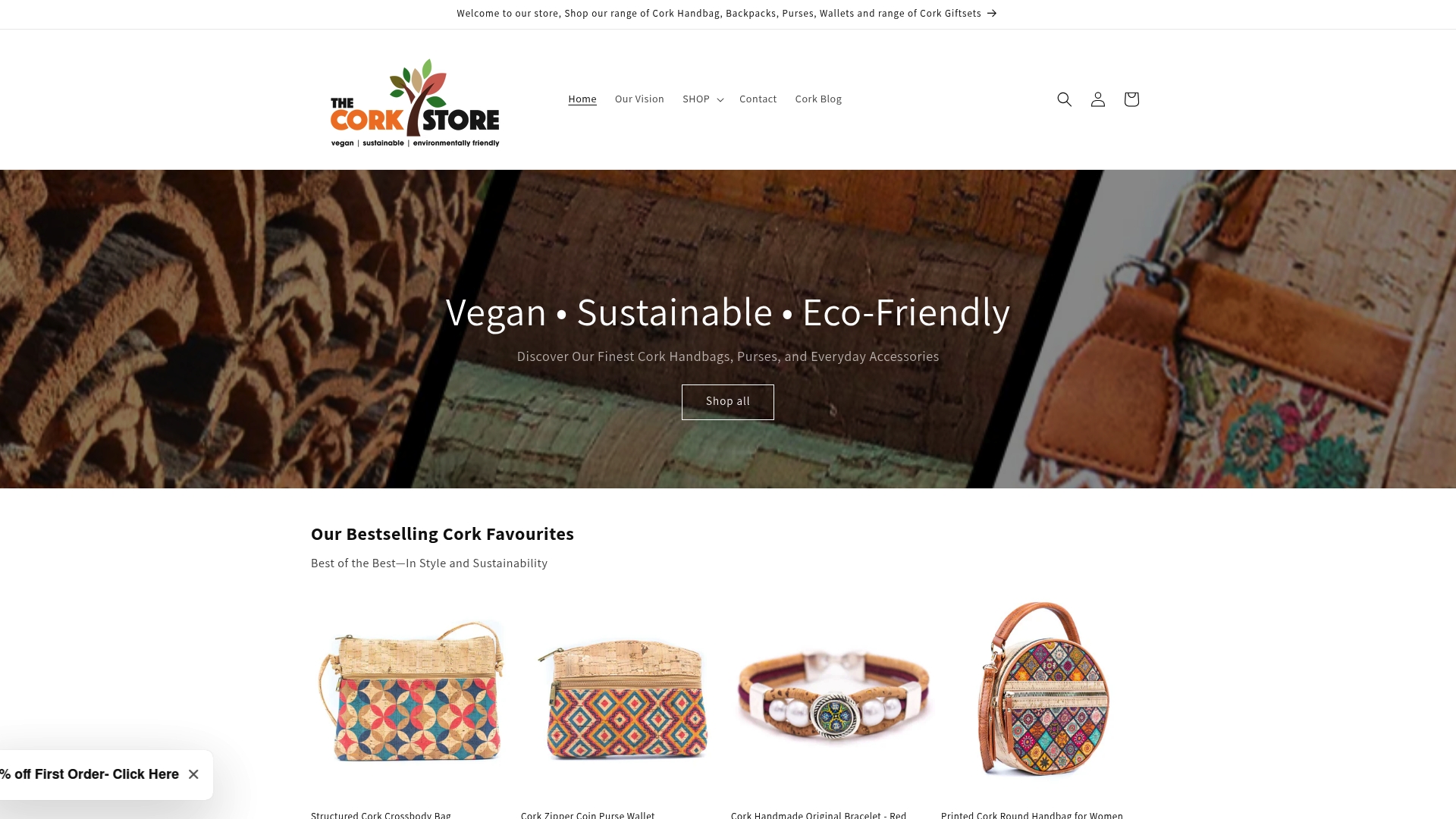
At The Cork Store, you’ll find a handpicked collection of vegan accessories crafted from natural cork, a material that is harvested sustainably, biodegradable, and completely free from animal products. From elegant handbags and practical backpacks to slim wallets and thoughtfully curated gift sets, every piece is designed to prove that ethical and stylish are not opposing ideas. Browse the full range and take the first step towards a wardrobe that reflects your values without asking you to compromise on quality or design. Your next favourite accessory doesn’t have to cost the earth.
Frequently asked questions
Why is fast fashion considered harmful to the environment?
Fast fashion’s overproduction and overconsumption generate enormous textile waste and depend on resource-heavy, polluting production processes, making it one of the most environmentally damaging industries globally.
How does fast fashion affect workers’ rights?
Many fast fashion brands depend on factories where fair wages and safe conditions are not guaranteed, with limited transparency making exploitation difficult to trace or challenge.
What are some signs that a brand is part of fast fashion?
Frequent new collections, very low prices, heavy use of synthetic materials, and little supply chain transparency are the clearest warning signs that a brand operates on a fast fashion model.
How can I move towards a more sustainable wardrobe?
Buy fewer, better-made items, prioritise natural or certified sustainable materials, and support brands with verified ethical practices and genuine transparency about their production.
Do small actions against fast fashion really have an impact?
Yes. Extending garment life and reducing purchases directly reduces the flow of textiles into landfill and signals to brands that ethical production is what consumers actually want.