
Discover the real benefits of ethical fashion today
TL;DR:
- Ethical fashion significantly reduces environmental impact through sustainable materials and circular design.
- It ensures fair wages, safe working conditions, and supply chain transparency, supporting social justice.
- Higher upfront costs are offset by durability and lower cost per wear, making it a smarter long-term choice.
A cork handbag produced in Portugal generates a fraction of the carbon emissions of a conventional leather one, and uses virtually no water in its production. That single comparison says a great deal about the gap between fast fashion’s hidden costs and what ethical fashion actually delivers. But environmental impact is only part of the story. Ethical fashion also means stylish, durable accessories you can wear with pride, made by people who are treated fairly. If you have ever assumed that choosing ethical meant choosing dull or expensive, what follows will change that assumption entirely.
Table of Contents
- What is ethical fashion and why does it matter?
- Environmental benefits: How ethical fashion minimises impact
- Social impact: Promoting fair labour and safer supply chains
- True value and durability: The cost-per-wear advantage
- Making informed choices: Navigating labels, greenwashing, and certifications
- Our perspective: Ethical fashion is not a compromise, it is an upgrade
- Discover stylish, ethical accessories at The Cork Store
- Frequently asked questions
Key Takeaways
| Point | Details |
|---|---|
| Fair labour and safe practices | Choosing ethical fashion supports workers with fair pay and safe conditions. |
| Lower environmental impact | Sustainable materials and processes use less water and energy, creating less waste. |
| Long-term value for you | Ethical items often last longer, saving you money over time. |
| Informed, empowered shopping | Recognising trusted certifications helps avoid greenwashing and supports real sustainability. |
What is ethical fashion and why does it matter?
Ethical fashion is not a niche trend or a passing slogan. It is a structured approach to how clothing and accessories are designed, made, and sold, prioritising people, animals, and the planet at every stage of production.
At its core, ethical fashion means three things working together: fair treatment of workers, responsible use of materials, and honest communication about how products are made. This stands in sharp contrast to fast fashion, which prioritises speed and low cost above everything else. Fast fashion brands routinely use opaque supply chains, synthetic materials derived from fossil fuels, and manufacturing conditions that prioritise output over worker welfare.
The gap between these two models is significant. Ethical fashion supports fair labour practices including living wages, safe conditions, and full worker rights. Fast fashion often cannot make the same claim.
Understanding the core pillars helps you shop with confidence. Here is what genuine ethical fashion is built on:
- Fair wages: Workers are paid a living wage, not just a legal minimum
- Safe workplaces: Factories meet health and safety standards and are regularly audited
- Eco-conscious materials: Fabrics and components are chosen for their lower environmental impact
- Supply chain transparency: Brands disclose where and how products are made
- Animal welfare: No materials derived from animal exploitation are used
It is worth familiarising yourself with the language used in this space. Understanding eco-friendly fashion terminology makes it far easier to tell genuine ethical brands from those making hollow claims.
“Sustainable fashion is not about perfection. It is about making consistently better choices and holding the industry accountable for the impact of its decisions.”
Why does your individual choice matter? Because consumer behaviour genuinely shapes industry practice. When ethical brands grow, fast fashion brands are forced to respond. Your purchasing decisions are a form of influence, and they accumulate into real, measurable pressure on an industry that has historically prioritised profit over responsibility.
Environmental benefits: How ethical fashion minimises impact
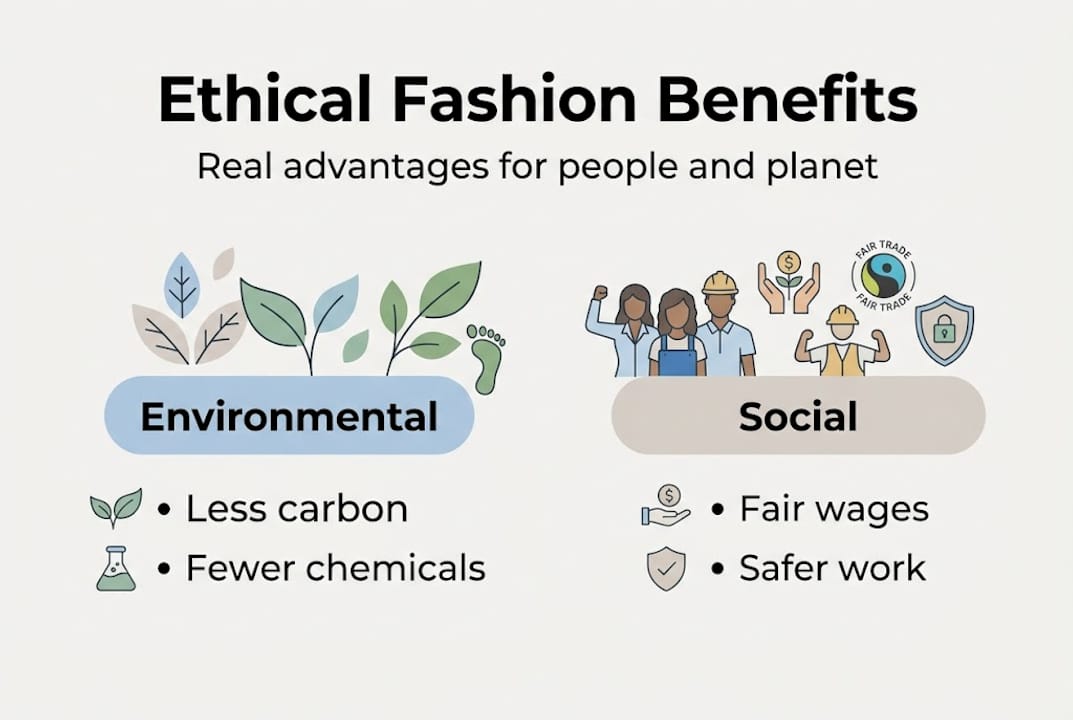
The environmental case for ethical fashion is built on hard numbers, not sentiment. Sustainable garments produce 5 to 12 kg CO2e per item compared to 15 to 35 kg for fast fashion equivalents. Water use tells a similar story: ethical items use 500 to 2,500 litres in production compared to 2,700 to 10,000 litres for conventional garments.
These figures become even more striking when you consider that the fashion industry as a whole is one of the largest consumers of fresh water globally. Choosing materials that use less of it is one of the most direct ways a consumer can reduce their footprint.
Materials matter enormously here. Ethical fashion brands use options like organic cotton, hemp, bamboo, and recycled fibres that significantly reduce environmental impact compared to conventional cotton or virgin polyester. Cork, for example, is harvested without felling the tree, sequesters carbon during growth, and is fully biodegradable. It is one of the most genuinely sustainable materials available for accessories.
| Environmental factor | Fast fashion | Ethical fashion |
|---|---|---|
| Carbon per item (kg CO2e) | 15 to 35 | 5 to 12 |
| Water use per item (litres) | 2,700 to 10,000 | 500 to 2,500 |
| Material source | Largely synthetic or conventional | Organic, recycled, or natural |
| End of life | Predominantly landfill | Biodegradable or recyclable |
| Overproduction | Widespread | Reduced through careful planning |
Ethical brands also practise circular thinking: designing products that last, avoiding overproduction, and creating items that can be repaired or recycled rather than discarded. This reduces the colossal volume of textile waste that fast fashion creates each year.
Pro Tip: When assessing a brand’s environmental claims, look for certifications such as GOTS (Global Organic Textile Standard) or Fair Trade. These are independently verified and provide real assurance, not just marketing language.
For a thorough breakdown of what different materials actually mean for the planet, the sustainable fashion materials guide is an excellent resource. You can also learn how to physically identify ethical materials when you shop by reading about how to spot sustainable materials in accessories and clothing.
Social impact: Promoting fair labour and safer supply chains
Ethical fashion’s social dimension is often underappreciated, yet it is just as important as its environmental credentials. Behind every accessory or garment is a human being, and the conditions they work in matter profoundly.
Fast fashion supply chains are long, complex, and frequently opaque. This opacity creates conditions where exploitation can thrive. Workers in underpaid factories are often unable to negotiate, organise, or raise safety concerns without risk of losing their jobs. Ethical fashion disrupts this by demanding transparency at every level.
Ethical fashion actively supports fair labour practices, living wages, safe conditions, and worker rights. That means audits, traceable sourcing, and genuine commitments rather than vague promises.
Transparency and traceability in supply chains build trust between brands and consumers while enabling real accountability. When a brand can tell you exactly where a product was made and by whom, it is a strong indicator of genuine ethical practice.
The social benefits of supporting ethical fashion include:
- Community investment: Ethical brands often reinvest in the communities where their artisans live and work
- Artisan empowerment: Skilled craft workers are valued and their expertise preserved rather than replaced by automation
- Worker agency: Fair trade models give workers a voice in pricing and working conditions
- Gender equality: Many ethical fashion cooperatives specifically support and empower women workers
- Traceability: You can follow the journey of your product from raw material to finished item
Understanding how ethical brands structure their production is illuminating. A look at the sustainable fashion workflow shows how thoughtful brands map out every stage of production with accountability built in.
“When you know who made your bag and that they were treated fairly, the product means something more. That meaning is not sentimental. It is the foundation of a better industry.”
Pro Tip: Before purchasing from a brand, visit their website and look for a dedicated page on their supply chain or maker stories. If they cannot tell you where or how a product was made, that silence is informative.
True value and durability: The cost-per-wear advantage
One of the most persistent myths about ethical fashion is that it is simply unaffordable for most people. The upfront price can certainly be higher, but this view ignores a more useful way to think about cost: cost per wear.
Sustainable garments deliver a cost per wear of £0.30 to £1.50, compared to £0.60 to £2.70 for fast fashion items, which are typically worn far fewer times before wearing out or falling out of favour. Ethical items are worn between 50 and 120 times, whilst fast fashion equivalents average just 7 to 15 wears.
| Factor | Fast fashion | Ethical fashion |
|---|---|---|
| Typical cost | Lower upfront | 30 to 200% more upfront |
| Average wears | 7 to 15 | 50 to 120 |
| Cost per wear | £0.60 to £2.70 | £0.30 to £1.50 |
| Durability | Often low | Significantly higher |
| Likelihood of landfill | High | Much lower |
Beyond the mathematics, there is a broader point about quality. Ethical fashion brands invest in construction and materials precisely because their reputation depends on durability. A cork wallet or bag, for instance, is naturally water resistant, lightweight, and hardwearing. It does not scuff or fade easily. That translates into a product you carry for years, not months.
Ethical fashion also reduces waste through circular practices, longevity, and lower rates of overproduction. Buying one well-made item instead of three cheap ones is better for your finances and far better for the planet.
Here is how to get the most value from every ethical purchase:
- Choose classic designs that will not look dated after one season
- Care for your items properly by following care instructions and using appropriate products
- Repair rather than replace when minor damage occurs
- Buy for versatility so each piece can be worn across multiple settings
- Research the material to understand how long it should last with good care
The wider conversation around what makes a purchase genuinely worthwhile is well captured in discussions about eco-friendly fashion trends for 2026, where durability and investment buying are increasingly prominent themes.
Making informed choices: Navigating labels, greenwashing, and certifications
Understanding the benefits of ethical fashion is one thing. Knowing how to shop for it without being misled is another skill entirely. Greenwashing, where brands make vague or misleading environmental claims without substantive action behind them, is widespread and growing more sophisticated.
Despite the real benefits of ethical fashion, higher upfront costs, greenwashing risks, and supply chain challenges still exist. Protecting yourself means learning to verify claims rather than accepting them at face value. Recognised certifications such as GOTS and Fair Trade are independently assessed and provide meaningful assurance.
Watch for these red flags when assessing a brand:
- Vague language: Terms like “eco-friendly” or “conscious” with no supporting evidence
- No certifications: Claims without any third-party verification
- Absent supply chain information: No detail on where or by whom products are made
- Performative gestures: A single green product in an otherwise fast fashion range
- Lack of pricing transparency: No explanation for why ethical production costs what it does
In contrast, genuinely ethical brands are typically open about their challenges as well as their achievements. They share specifics: the factory, the materials, the certifications, and even their areas for improvement. That honesty is a strong positive signal.
Pro Tip: Search a brand’s name alongside words like “supply chain,” “audit,” or “worker conditions.” Genuine ethical brands publish this information. Those with something to hide rarely do.
Learning to spot sustainable fashion takes a little practice, but it quickly becomes second nature. You can also build your understanding of why sustainable materials play such a central role in determining whether a brand’s ethical claims hold up.
Consumer power is real. Every time you reward a brand that is genuinely committed to ethical practice, you send a signal to the wider market. The industry responds to where money flows.
Our perspective: Ethical fashion is not a compromise, it is an upgrade
There is a version of the ethical fashion conversation that positions sustainability as a sacrifice. You pay more, you get less choice, you accept that you cannot have what you really want. We think this framing is not only unhelpful but factually wrong.
The accessories we stock at The Cork Store are not ethical despite being stylish. They are stylish because they are made with intention. Cork is a genuinely beautiful material. It has natural texture, warmth, and character that synthetic leather simply cannot replicate. Choosing it is not settling. It is upgrading.
There is also a deeper point worth making. Fast fashion creates the illusion of abundance through disposability. You buy more because things wear out faster. You spend more overall because the cost per wear is higher. You generate more waste. And crucially, you end up with less connection to what you own because nothing was built to last.
Ethical fashion inverts all of this. It asks you to choose fewer, better things and to understand what you are buying. That shift in relationship to your possessions is genuinely valuable. People who buy ethically often describe feeling more satisfied with their wardrobes, not less.
We are not asking you to choose between looking good and doing good. We are telling you, from experience, that with the right materials and the right makers, you do not have to choose at all.
Discover stylish, ethical accessories at The Cork Store
If this article has sparked a genuine curiosity about ethical accessories, we would love to show you what is possible with cork.
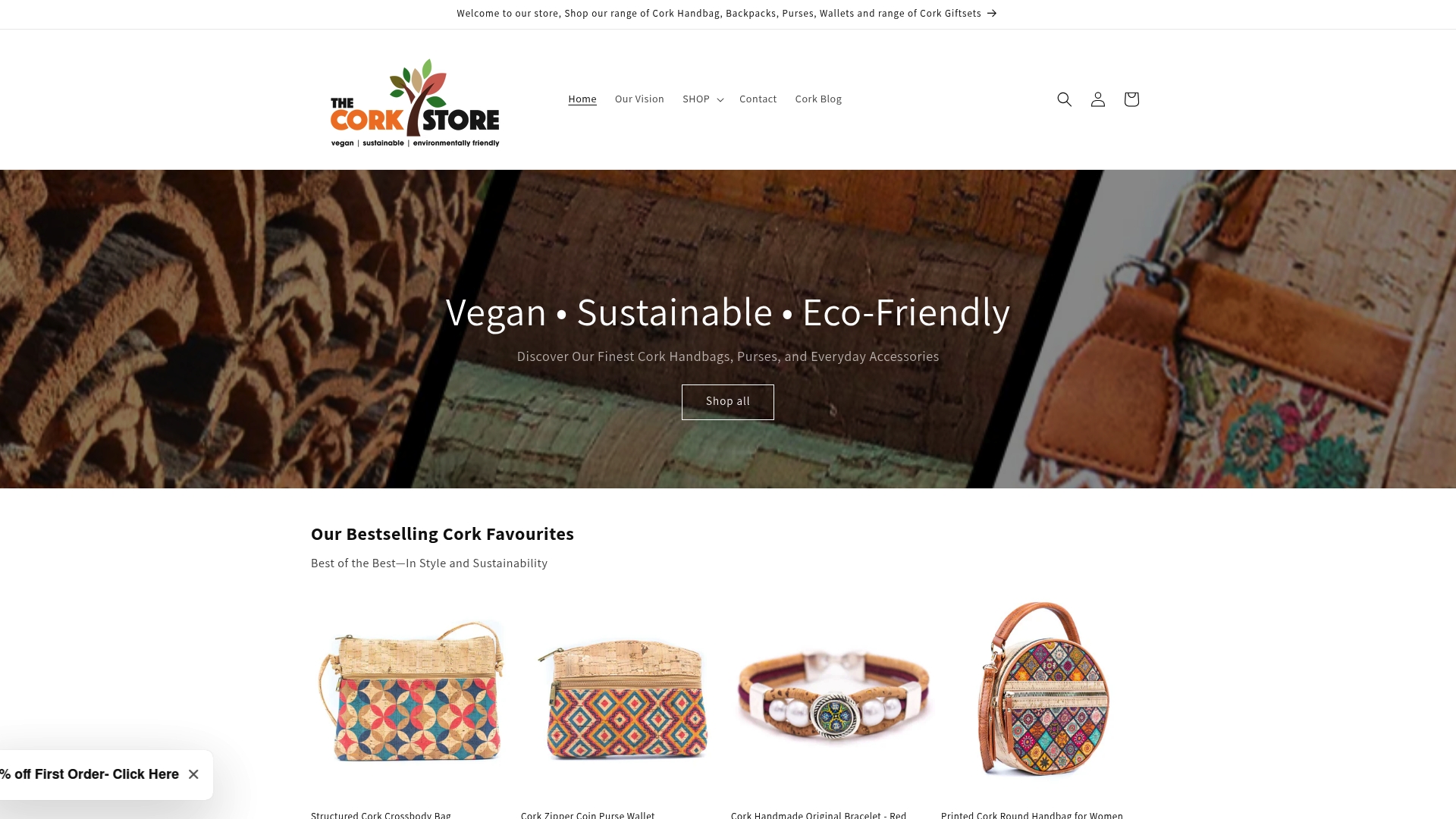
At The Cork Store, every bag, wallet, and accessory is crafted from natural cork, a material that is harvested sustainably, fully vegan, and remarkably durable. Our range includes handbags, backpacks, purses, and gift sets, all designed to prove that ethical fashion can be genuinely beautiful. Whether you are new to sustainable accessories or looking to expand a considered wardrobe, our collection offers stylish options that carry a clear conscience. Browse the full range and find something made to last.
Frequently asked questions
What makes fashion ‘ethical’?
Ethical fashion prioritises fair wages, safe working conditions, and sustainable material choices, underpinned by transparency about how products are sourced and made.
How does ethical fashion help the environment?
It significantly reduces environmental harm: sustainable garments produce 5 to 12 kg CO2e per item and use 500 to 2,500 litres of water, compared to 15 to 35 kg CO2e and up to 10,000 litres for fast fashion equivalents.
Is ethical fashion always more expensive?
Upfront costs can be higher, but ethical items last 50 to 120 wears compared to just 7 to 15 for fast fashion, delivering a significantly lower cost per wear over time.
How can I tell if a brand is truly ethical?
Look for independently verified certifications such as GOTS or Fair Trade, and check whether the brand openly shares supply chain details and sourcing information rather than relying on vague eco-friendly language.