
Pros and cons of cork accessories for eco fashion
Cork accessories represent a surprising shift in sustainable style, but many eco-conscious shoppers remain unsure whether these alternatives truly deliver on environmental promises. While cork offers renewable harvesting and natural durability, understanding both advantages and limitations helps you make genuinely informed choices about vegan fashion investments.
Table of Contents
- What Makes Cork A Sustainable Fashion Choice
- Durability And Practical Benefits Of Cork Accessories
- Limitations And Environmental Nuances Of Cork Accessories
- Comparing Cork And Leather: A Detailed Pros And Cons Analysis
- How To Choose And Care For Cork Accessories In 2026
- Explore Eco-Friendly Cork Accessories Today
- Frequently Asked Questions
Key takeaways
| Point | Details |
|---|---|
| Renewable resource | Cork is sustainably harvested every 9-12 years without harming trees, supporting regeneration over 200+ year lifespans. |
| Natural durability | Cork’s cellular structure provides water resistance, lightweight comfort, and breathable properties ideal for accessories. |
| Environmental nuances | Sustainability varies significantly based on adhesives, dyes, and manufacturing practices used in production. |
| Biodiversity support | Cork forests preserve ecosystems and support local economies in cork-producing regions. |
| Practical limitations | Texture differences, colour variety restrictions, and rigidity compared to leather require consideration. |
What makes cork a sustainable fashion choice
Cork oak trees possess a remarkable biological feature: their bark regenerates naturally after harvesting. This allows producers to harvest cork sustainably without removing or permanently damaging trees, creating a truly renewable material cycle. Each tree yields cork multiple times throughout its lifespan, which can exceed 200 years.
The harvesting process itself supports environmental preservation rather than degradation. Cork forests function as rich ecosystems supporting numerous species, from Iberian lynx to over 200 bird varieties. Biodiversity thrives in cork forests because sustainable harvesting maintains forest health whilst providing economic incentives for conservation. This creates a positive feedback loop where commercial use actively protects natural habitats.
Local economies benefit substantially from cork production. Farmers and communities in Portugal, Spain, and Mediterranean regions rely on cork harvesting for livelihoods, creating employment that incentivises forest preservation. When you purchase cork accessories, you’re supporting forest conservation efforts that maintain these ecosystems.
The contrast with traditional leather production proves striking. Livestock farming for leather requires extensive land, water, and feed resources whilst generating significant methane emissions. Tanning processes involve harsh chemicals like chromium, creating toxic waste streams. Cork production bypasses these environmental burdens entirely.
Pro Tip: Look for certifications from organisations like FSC (Forest Stewardship Council) when purchasing cork products to ensure genuinely sustainable sourcing practices.
“Cork forests absorb millions of tonnes of CO2 annually, making them crucial carbon sinks that combat climate change whilst providing renewable materials for fashion.”
Key sustainability advantages include:
- Zero tree removal during harvesting cycles
- Natural carbon sequestration through forest preservation
- Minimal water requirements compared to livestock farming
- Chemical-free material extraction processes
- Support for biodiverse Mediterranean ecosystems
Durability and practical benefits of cork accessories
Cork’s unique cellular structure delivers surprising functional advantages for fashion accessories. Each cubic centimetre contains approximately 40 million air-filled cells, creating a naturally water-resistant and elastic material. This microscopic architecture explains why cork accessories resist wear exceptionally well despite their lightweight nature.
Water resistance ranks amongst cork’s most valuable properties. Unlike traditional leather, which absorbs moisture and requires waterproofing treatments, cork naturally repels water through its waxy suberin content. Splashes, light rain, and humidity pose minimal threats to cork bags, wallets, or shoes. This makes cork particularly practical for everyday use in variable weather conditions.
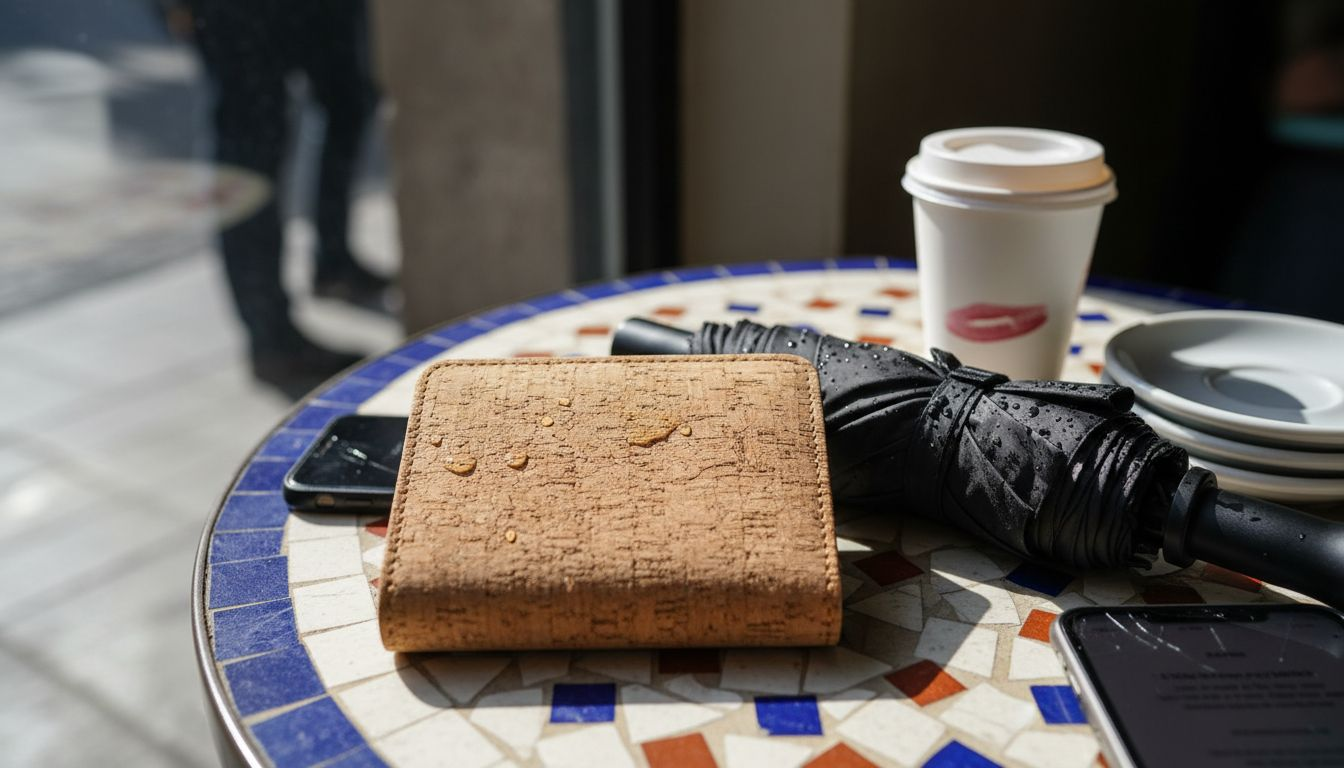
The material’s breathable texture offers unexpected benefits. Cork naturally resists odour accumulation because air circulation prevents bacterial growth within accessories. This proves especially valuable for items like shoes and bags that experience regular use. Synthetic vegan leathers often trap moisture and odours, whilst cork maintains freshness naturally.
Comfort stems from cork’s elasticity and feather-light weight. A cork handbag weighs significantly less than comparable leather versions, reducing shoulder strain during extended wear. The material’s slight give creates comfortable straps and handles that mould gently to your body without losing structural integrity.
Durability depends partly on proper care practices. Cork resists scratches and abrasions better than many expect, with its cellular structure absorbing impacts that would damage smoother materials. Understanding why cork lasts longer helps you maximise your investment.
Pro Tip: Clean cork accessories with a damp cloth and mild soap, then allow air drying away from direct heat sources to maintain the material’s natural properties and appearance.
Practical advantages include:
- Natural antimicrobial properties preventing bacteria growth
- Hypoallergenic composition suitable for sensitive skin
- Thermal insulation protecting contents from temperature extremes
- Scratch resistance through cellular impact absorption
- Flexibility that prevents cracking unlike rigid synthetic alternatives
Limitations and environmental nuances of cork accessories
Whilst cork offers genuine sustainability benefits, manufacturing processes introduce complexity. Adhesives used to laminate cork layers onto fabric backing often contain synthetic compounds derived from petroleum. Dyes and finishing treatments may involve chemicals that compromise environmental credentials, particularly when manufacturers prioritise appearance over ecological impact.
Texture differences create practical considerations. Cork feels distinctly different from traditional leather, with a slightly rougher surface and different tactile feedback. Some users find this appealing and unique, whilst others prefer leather’s buttery smoothness. Rigidity varies between products, with some cork accessories maintaining firmer structures than flexible leather equivalents.
Colour variety represents another limitation. Natural cork ranges from light tan to darker brown tones, offering less spectrum than dyed leather goods. Whilst manufacturers can dye cork, achieving vivid or unusual colours requires additional chemical treatments that may reduce environmental benefits. This constrains design options for consumers seeking specific aesthetic preferences.
Sustainability depends heavily on sourcing and manufacturing transparency. Not all cork products deliver equal environmental benefits. Manufacturers operating without strict sustainability protocols may use unsustainable adhesives, exploit labour, or source cork from poorly managed forests. The “eco-friendly” label alone provides insufficient guarantee.
Consumer verification becomes essential. Research specific brands and products rather than assuming all cork automatically equals sustainability. Questions about adhesive types, dye sources, labour practices, and forest management reveal genuine commitment to environmental responsibility. Understanding cork versus leather considerations helps navigate these complexities.
Potential drawbacks include:
- Manufacturing processes varying widely in environmental impact
- Limited colour palette compared to leather options
- Texture preferences requiring adjustment for traditional leather users
- Price points sometimes higher than synthetic alternatives
- Availability constraints compared to mainstream leather goods
Comparing cork and leather: a detailed pros and cons analysis
Environmental impact shows the starkest contrast. Cork production reduces CO2 emissions substantially compared to leather tanning, which releases greenhouse gases and toxic chemicals into water systems. Cork harvesting requires no animal farming, eliminating methane emissions and extensive feed crop cultivation. Chemical usage drops dramatically since cork needs minimal processing compared to leather’s chromium tanning.
Aesthetic flexibility favours traditional leather. Leather offers extensive colour ranges, finish varieties, and texture options developed through centuries of craftsmanship. Cork provides a distinctive, recognisable appearance that some consider a feature whilst others view as limiting. Personal style preferences heavily influence which material suits individual tastes better.
Water resistance and weight advantage cork significantly. Leather requires waterproofing treatments and grows heavy when wet, whilst cork naturally repels moisture and maintains minimal weight. For practical everyday use, particularly in damp climates, cork accessories often prove more convenient.
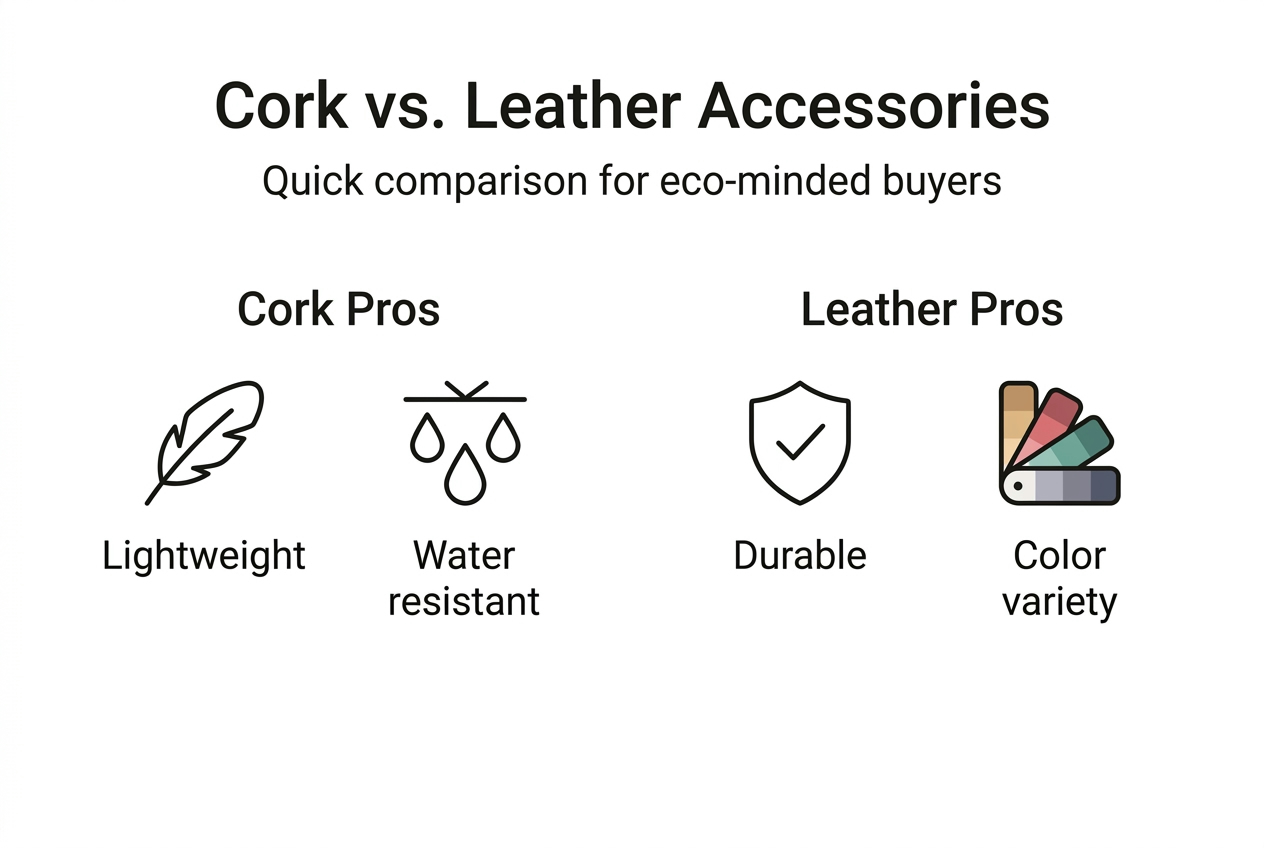
Durability depends on specific use and care. Quality leather, properly maintained, can last decades with developing character through patina. Cork similarly endures extended use when cared for appropriately, though it ages differently without leather’s characteristic patina development. Both materials reward proper maintenance with longevity.
Pro Tip: Consider your priorities carefully: choose cork for environmental impact and water resistance, or leather for traditional aesthetics and extensive style options, but recognise that quality examples of either material can serve you well for years.
| Factor | Cork accessories | Leather accessories |
|---|---|---|
| Environmental impact | Low emissions, renewable harvesting, forest preservation | High emissions, resource-intensive farming, chemical tanning |
| Water resistance | Natural repellency, no treatment needed | Requires waterproofing, absorbs moisture |
| Weight | Exceptionally lightweight, comfortable for extended wear | Heavier, particularly when wet |
| Texture options | Limited natural range, distinctive cork appearance | Extensive variety through tanning and finishing |
| Colour variety | Natural tones with limited dye options | Vast spectrum through various dyes |
| Animal welfare | Vegan, cruelty-free material | Involves animal use and slaughter |
| Durability | Excellent with proper care, scratch-resistant | Very durable, develops patina over time |
| Price range | Moderate to premium depending on quality | Wide range from budget to luxury |
The vegan leather market continues expanding, with cork establishing itself as a premium option amongst plant-based alternatives. Understanding key differences between materials and recognising specific advantages cork offers helps you evaluate whether these accessories align with your values and practical needs.
How to choose and care for cork accessories in 2026
Verifying sustainability claims requires active investigation. Ask retailers specific questions about cork sourcing locations, forest management certifications, and adhesive compositions. Reputable sellers provide transparent information about supply chains and manufacturing processes. Certifications from recognised environmental organisations offer additional assurance.
Quality indicators help identify well-made products:
- Even cork layer thickness without thin spots or irregularities
- Secure stitching with reinforced stress points at handles and corners
- Smooth backing fabric without pilling or loose threads
- Hardware that operates smoothly with solid mounting
- Natural cork appearance without excessive synthetic coating
- Clear product information about materials and origin
Choosing accessories with minimal chemical treatments preserves environmental benefits. Natural dyes and water-based adhesives demonstrate manufacturer commitment to sustainability beyond marketing claims. Genuinely eco-friendly products prioritise both material sourcing and production processes.
Maintenance practices extend cork accessory lifespan significantly. Clean items regularly with slightly damp cloths and mild, natural soap. Avoid harsh chemicals, alcohol-based cleaners, or abrasive scrubbing that damages cork’s cellular structure. Air dry completely before storage, keeping items away from direct sunlight that may fade natural colours.
Storage conditions matter for longevity. Keep cork accessories in cool, dry locations with moderate humidity. Extreme moisture encourages mould growth, whilst excessive dryness may cause brittleness over time. Stuff bags with acid-free tissue paper to maintain shape during storage periods.
Pro Tip: Apply small amounts of natural cork sealant or beeswax occasionally to maintain suppleness and enhance water resistance, following product-specific care instructions from manufacturers.
Understanding why vegan accessories appeal to eco-conscious consumers helps frame purchasing decisions within broader sustainable fashion goals. Cork accessories align with values around animal welfare, environmental stewardship, and responsible consumption when chosen thoughtfully.
Explore eco-friendly cork accessories today
Now that you understand cork’s genuine advantages and honest limitations, exploring quality products becomes the natural next step. The Cork Store curates carefully selected accessories that prioritise both sustainability and style, offering vegan alternatives without compromising on functionality or appearance.
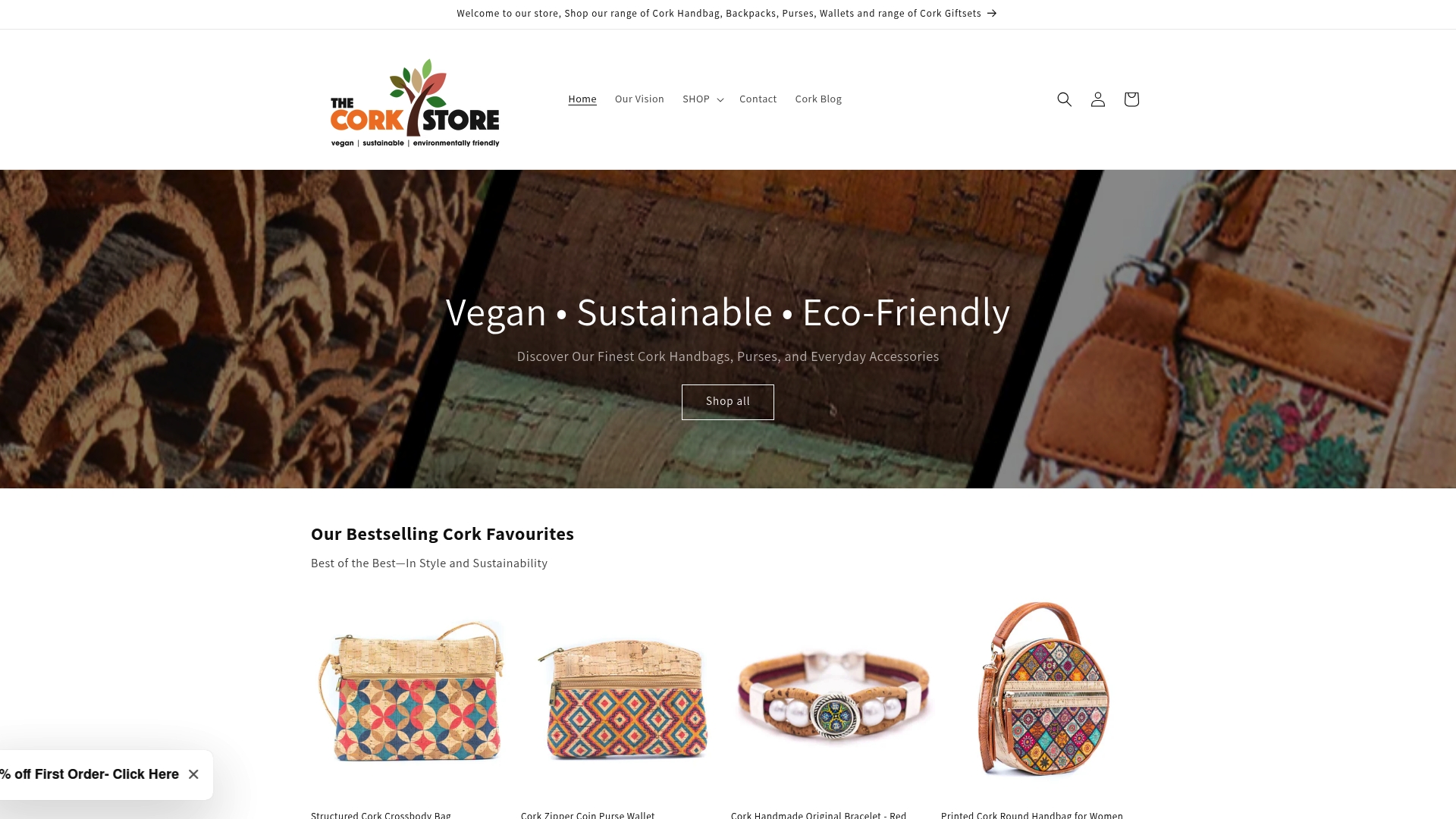
Our collection features items crafted from natural cork materials that demonstrate the durability and water resistance discussed throughout this article. Whether you’re seeking practical everyday items or thoughtful eco-friendly gifts, you’ll find cruelty-free options that align with your environmental values.
Browse our complete range to experience firsthand how cork accessories combine unique texture, sustainable sourcing, and practical benefits. Each product reflects our commitment to offering genuinely eco-conscious alternatives that serve you well whilst supporting forest conservation and ethical manufacturing practices.
Frequently asked questions
Are cork accessories truly eco-friendly?
Yes, when properly sourced and manufactured. Cork harvesting preserves trees and forests, requires minimal water and chemicals, and supports biodiversity. However, verify specific product origins and manufacturing processes, as adhesives, dyes, and production methods significantly impact overall environmental credentials.
How does cork compare to synthetic vegan leather?
Cork offers superior sustainability compared to most synthetic vegan leathers derived from petroleum-based plastics like polyurethane. Cork is biodegradable, renewable, and produces minimal environmental impact during harvesting. Synthetic alternatives often involve toxic chemicals and create persistent plastic waste that doesn’t decompose naturally.
What maintenance do cork accessories require?
Clean cork items with damp cloths and mild natural soap, avoiding harsh chemicals or excessive water saturation. Air dry away from direct heat and sunlight. Store in cool, dry locations with moderate humidity. Occasional application of natural cork conditioner or beeswax maintains suppleness and enhances water resistance.
How can I identify genuinely sustainable cork products?
Look for transparent information about cork sourcing regions, forest management certifications, and manufacturing processes. Ask retailers about adhesive types and dye sources. Reputable brands provide detailed supply chain information and prioritise natural materials throughout production. Third-party environmental certifications offer additional verification of sustainability claims.