

Role of design in eco-fashion: sustainable cork alternatives
Traditional leather production contributes to 14.5% of global greenhouse gas emissions, making the search for sustainable alternatives urgent. Eco-conscious consumers increasingly demand stylish products that honour environmental values without sacrificing aesthetics. Cork emerges as a renewable material where design innovation meets sustainability, offering fashion-forward alternatives that reduce environmental harm whilst maintaining the elegance and functionality traditionally associated with leather accessories.
Table of Contents
- Introduction To Eco-Fashion And Design
- Sustainability Attributes Of Cork In Eco-Fashion
- Environmental Impact Of Traditional Leather
- Design Innovations With Cork In Eco-Fashion
- Circular Design Principles And Environmental Impact
- Common Misconceptions About Cork
- Practical Implications Of Choosing Cork
- Discover Stylish Cork Fashion Accessories
Key takeaways
| Point | Details |
|---|---|
| Cork is renewable and carbon-negative | Harvested every 9-12 years without harming trees, cork oak forests absorb significant CO2 and support biodiversity. |
| Design enhances cork’s appeal | Innovations in texture, colour, and functionality make cork durable, water-resistant, and stylish for fashion accessories. |
| Leather has high environmental costs | Traditional leather production emits greenhouse gases, pollutes water with chemicals, and demands intensive resource use. |
| Circular design reduces waste | Monomaterials like cork simplify recycling, extend product lifespan, and align with circular economy principles. |
| Cork supports rural economies | Choosing cork products sustains Mediterranean communities and preserves cultural heritage whilst lowering environmental footprints. |
Introduction to eco-fashion and design
Eco-fashion represents a paradigm shift in how we approach clothing and accessories, prioritising environmental stewardship and ethical production over fast fashion’s disposable culture. At its core, eco-fashion integrates sustainable materials, responsible manufacturing processes, and transparent supply chains to minimise harm to our planet. Design acts as the critical bridge connecting sustainability objectives with consumer desires for beauty, functionality, and self-expression.
Material selection stands as the foundation of sustainable design decisions. Every choice, from fibre sourcing to finishing treatments, ripples through a product’s entire lifecycle and environmental footprint. Designers who understand material properties can create products that are both beautiful and planet-friendly, proving sustainability and style need not be mutually exclusive.
Key design considerations in eco-fashion include:
- Material sourcing that prioritises renewable, low-impact, or recycled inputs
- Production methods that minimise waste, energy consumption, and chemical pollution
- Product longevity through quality construction and timeless aesthetic appeal
- End-of-life solutions that enable recycling, composting, or biodegradation
When designers thoughtfully integrate these elements, they create fashion that respects both people and planet whilst delighting consumers with products worth cherishing for years.
Sustainability attributes of cork in eco-fashion
Cork stands apart from conventional materials through its remarkable regenerative properties and environmental benefits. Cork fabric is harvested from bark every 9-12 years without damaging trees, allowing the same cork oak to produce material for over 200 years. This renewable harvesting cycle eliminates the need to fell trees, preserving forests that serve as crucial carbon sinks and biodiversity hotspots.
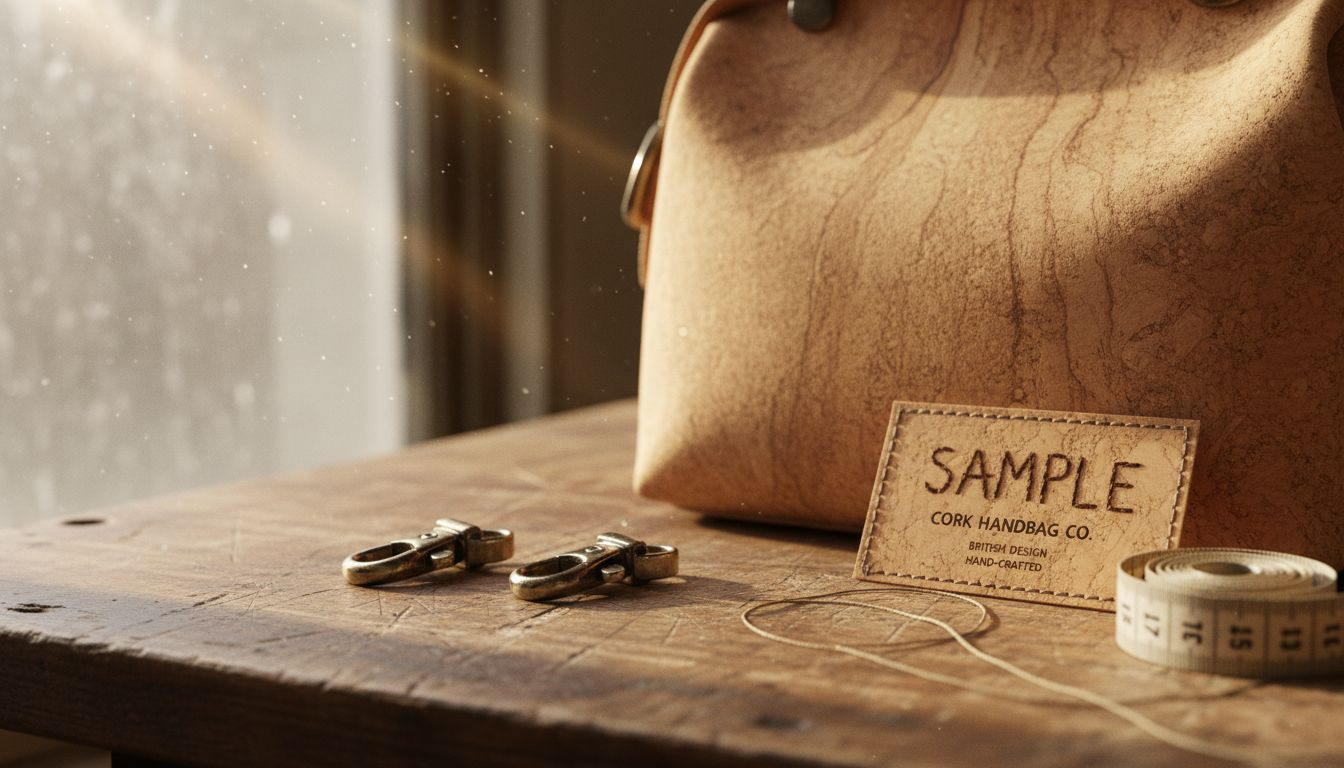
The environmental advantages extend far beyond sustainable harvesting. Cork oak forests absorb significantly more CO2 than unharvested trees, making cork a carbon-negative material that actively combats climate change. These Mediterranean forests support diverse ecosystems, providing habitat for endangered species whilst preventing soil erosion across Portugal, Spain, and North Africa.
Cork’s lifecycle benefits include:
- Zero tree harm during harvesting, supporting forest preservation
- Enhanced carbon sequestration in regularly harvested cork oak forests
- Complete biodegradability, returning nutrients to soil without toxic residue
- Water efficiency, requiring no irrigation in natural Mediterranean climates
- Chemical-free processing for many cork fabric applications
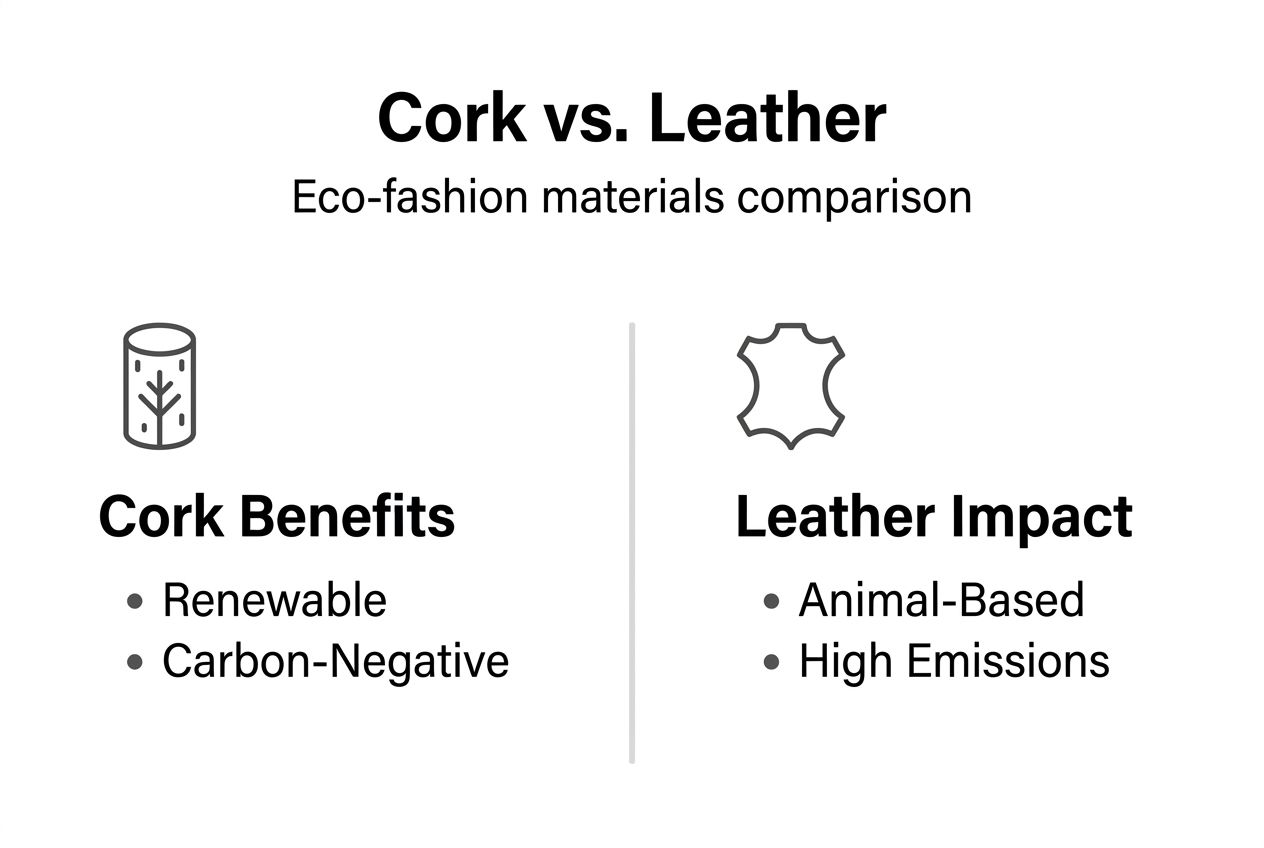
| Attribute | Cork | Traditional Leather |
|---|---|---|
| Renewability | Bark regrows in 9-12 years | Requires animal death |
| Carbon impact | Net negative | High emissions |
| Biodegradability | Fully compostable | Chemical-treated, slow |
| Water use | Minimal | Intensive |
These attributes position cork as an exemplary material for designers committed to reducing fashion’s environmental burden whilst creating products consumers love.
Environmental impact of traditional leather
Conventional leather production carries substantial environmental costs that extend from farm to tannery. Livestock farming accounts for 14.5% of greenhouse gas emissions globally, with cattle raised for leather contributing methane and carbon dioxide to atmospheric warming. The land required for grazing displaces forests and natural habitats, accelerating biodiversity loss and ecosystem degradation.
Tanning processes compound these environmental harms through chemical pollution. Chrome tanning, the industry standard, releases chromium and other heavy metals into waterways, contaminating drinking water sources and harming aquatic life. Vegetable tanning, whilst somewhat better, still demands significant water and energy inputs alongside lengthy processing times.
Environmental impacts of leather production include:
- High greenhouse gas emissions from livestock methane and feed production
- Water pollution from tanning chemicals including chromium, formaldehyde, and acids
- Deforestation for grazing land, particularly in South America
- Intensive water consumption for animal rearing and hide processing
- Waste generation from unused animal parts and chemical sludge
These compounding factors make leather one of fashion’s most environmentally taxing materials, driving conscious consumers toward alternatives that deliver style without planetary destruction.
Design innovations with cork in eco-fashion
Designers harness cork’s inherent properties to create fashion accessories that rival leather in both aesthetics and performance. Cork’s natural water resistance and lightweight durability enable innovative products that withstand daily wear whilst maintaining their appearance. The material’s hypoallergenic nature appeals to consumers with sensitivities, expanding the market for cork-based fashion beyond purely environmental motivations.
Advances in processing techniques allow designers to manipulate cork’s texture, colour, and finish, creating diverse aesthetic outcomes from rustic to refined. Thin cork veneers bonded to fabric backing provide flexibility for complex shapes, whilst thicker cork creates structured accessories with distinctive natural patterns. Designers can emboss, dye, or treat cork surfaces to achieve specific looks without compromising the material’s core sustainability benefits.
Design innovations leveraging cork include:
- Water-resistant finishes for bags and wallets that protect contents
- Lightweight construction reducing strain during extended wear
- Textured surfaces offering grip and visual interest
- Colour treatments ranging from natural tones to vibrant hues
- Antimicrobial properties reducing odour in frequently handled items
Pro Tip: When selecting cork accessories, examine the natural grain patterns, as authentic cork displays unique cellular structures that synthetic imitations cannot replicate.
These innovations prove cork can meet exacting design standards whilst delivering environmental benefits that resonate with today’s conscious consumers.
Circular design principles and environmental impact
Circular economy thinking transforms how designers approach product creation, shifting from linear “take-make-dispose” models toward systems that eliminate waste through thoughtful material choices and end-of-life planning. Monomaterials, products made from single material types, simplify recycling by removing the need to separate components before processing. Cork’s recyclability makes it ideal for circular fashion, as accessories can be ground down and reformed without quality degradation.
Designing for durability extends product lifespan, reducing the frequency of replacement purchases and their associated environmental costs. Cork’s resilience against wear, moisture, and temperature fluctuations means accessories maintain functionality and appearance longer than many alternatives. When products eventually reach end-of-life, cork’s biodegradability ensures nutrients return to ecosystems rather than persisting as landfill waste for decades.
| Design Principle | Cork Application | Environmental Benefit |
|---|---|---|
| Monomaterial construction | Pure cork accessories | Simplified recycling |
| Durability focus | Resilient material properties | Extended product lifespan |
| Biodegradability | Natural decomposition | Zero landfill persistence |
| Minimal processing | Chemical-free production | Reduced pollution |
Circular design strategies with cork include:
- Modular construction allowing component replacement rather than full disposal
- Standardised materials simplifying collection and recycling infrastructure
- Design for disassembly enabling easy separation of hardware from cork
- Take-back programmes facilitating manufacturer recycling
- Upcycling initiatives transforming worn accessories into new products
Pro Tip: Look for brands offering repair services or take-back programmes, as these indicate commitment to circular principles beyond initial sale.
These approaches demonstrate how thoughtful design choices create eco-friendly materials that reduce fashion’s environmental impact throughout entire product lifecycles.
Common misconceptions about cork
Despite cork’s proven advantages, misconceptions persist about its suitability for fashion applications. The belief that cork lacks leather’s durability ignores testing data showing cork withstands abrasion, moisture, and flexing better than many conventional materials. Cork’s performance exceeds common assumptions, with properly constructed accessories lasting years of regular use without significant degradation.
Style versatility represents another misunderstood aspect. Critics claim cork cannot match leather’s aesthetic range, yet designers produce cork accessories in textures from smooth to deeply grained, colours spanning natural earth tones to bold dyes, and finishes from matte to glossy. The material’s unique cellular pattern creates visual interest that leather cannot replicate, offering distinctive character rather than mere imitation.
Common myths about cork include:
- Durability concerns, disproved by material testing and user experience
- Limited style options, contradicted by diverse textures, colours, and finishes available
- Environmental doubts about harvesting, clarified by understanding regenerative bark growth
- Performance worries in wet conditions, addressed by cork’s natural water resistance
- Sustainability questions, resolved through lifecycle analysis showing carbon-negative impact
Understanding cork’s actual properties helps consumers make informed choices. Learning how to spot sustainable materials empowers shoppers to distinguish genuine cork products from inferior imitations or misleading marketing claims.
Practical implications of choosing cork
Selecting cork accessories delivers environmental, social, and economic benefits that extend beyond individual purchases. Supporting cork products aids Mediterranean biodiversity by maintaining economic incentives for landowners to preserve cork oak forests rather than converting land to agriculture or development. These forests provide crucial habitat for endangered species including the Iberian lynx, supporting ecosystem health across southern Europe and North Africa.
Environmental footprint reduction represents the most immediate benefit. Consumers choosing cork over leather avoid the greenhouse gas emissions, water pollution, and resource consumption associated with animal agriculture and chemical tanning. Over a product’s lifetime, this choice translates to measurably lower environmental impact across categories from carbon to water use.
Practical benefits of choosing cork include:
- Supporting rural economies in Portugal, Spain, and North Africa where cork harvesting sustains communities
- Preserving cultural heritage tied to traditional cork harvesting practices
- Reducing personal environmental footprint compared to leather or synthetic alternatives
- Accessing durable, stylish accessories that perform well in daily use
- Contributing to forest preservation and biodiversity protection
When selecting cork products, verify quality through texture examination and certification checks. Authentic cork displays distinctive cellular patterns visible on close inspection. Research brands to confirm sustainable sourcing practices and ethical labour standards. Understanding how to spot sustainable materials guides purchasing decisions toward genuinely responsible options.
For UK consumers specifically, exploring comprehensive resources like this cork fashion guide and detailed cork accessories overview provides localised information about sourcing, care, and styling cork pieces within British fashion contexts.
Discover stylish cork fashion accessories
Experiencing cork’s unique blend of sustainability and style becomes tangible when you explore thoughtfully designed products. Quality cork accessories demonstrate how eco-conscious materials create fashion pieces you’ll treasure for years whilst supporting environmental values.
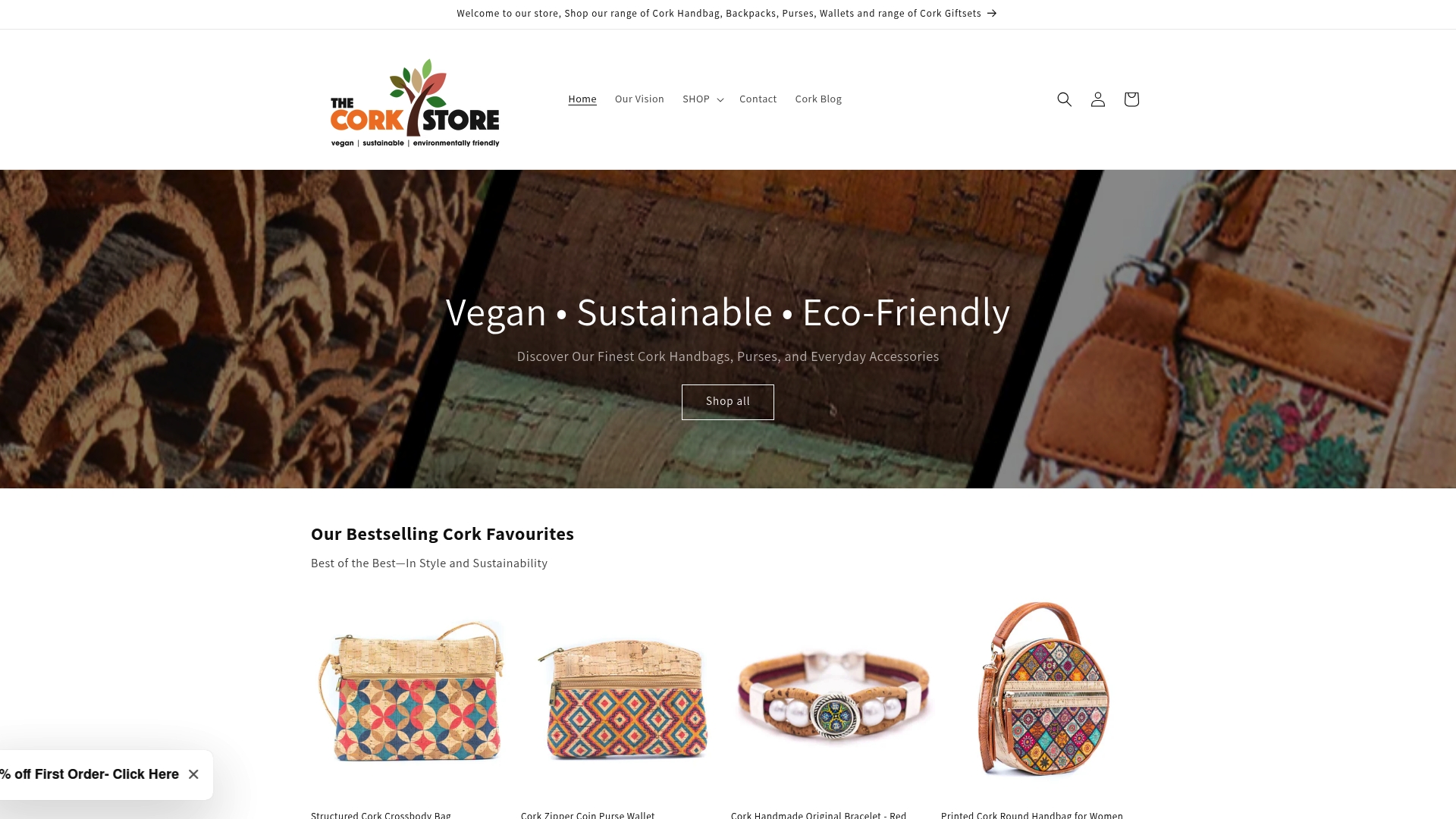
Elegant women’s gift sets showcase cork’s versatility across coordinated pieces, offering sustainable alternatives for special occasions or personal treating. The all-natural cork wallet gift set pairs functionality with distinctive natural beauty, proving eco-friendly choices need not compromise on aesthetics or quality. Each piece reflects design principles discussed throughout this article, from renewable materials to circular thinking, translated into accessories that enhance daily life whilst respecting planetary boundaries.
FAQ
What is eco-fashion and why does design matter?
Eco-fashion prioritises environmental sustainability and ethical practices throughout clothing and accessory production, from material sourcing to manufacturing and disposal. Design matters because it determines material choices, production methods, product longevity, and end-of-life options, directly influencing environmental impact. Thoughtful design bridges sustainability objectives with consumer desires for beauty and functionality, proving responsible fashion can be stylish.
How does cork compare environmentally to traditional leather?
Cork harvesting removes only bark every 9-12 years without harming trees, whilst leather requires animal death and intensive resource use. Cork forests absorb more CO2 than unharvested ones, making the material carbon-negative, whereas livestock farming for leather contributes 14.5% of global greenhouse gas emissions. Cork biodegrades naturally, whilst chemically tanned leather persists in landfills for decades.
Are cork-based fashion items durable and stylish?
Cork accessories withstand abrasion, moisture, and daily wear exceptionally well, often outlasting leather equivalents. The material’s natural water resistance, lightweight properties, and resilience to temperature fluctuations ensure long-lasting performance. Design innovations allow diverse textures, colours, and finishes, from smooth refined surfaces to distinctive natural grain patterns, offering aesthetic versatility that rivals traditional materials.
How can I choose genuine, high-quality cork fashion products?
Examine products for distinctive cellular patterns visible in authentic cork, as synthetics cannot replicate this natural structure. Verify brand claims about sustainable sourcing through certifications or transparent supply chain information. Quality cork feels substantial yet lightweight, with consistent texture and secure construction. Learning how to tell real cork leather apart from imitations ensures your purchases deliver genuine sustainability benefits.
Recommended
- Role of Cork in Fashion – Transforming Eco Accessories – The Cork Store
- Role of Cork in Eco Fashion: Sustainable Style Unpacked – The Cork Store
- Fashion sustainability guide: 70% less water with cork – The Cork Store
- Cork Accessories: The Ultimate Guide to Vegan Fashion Alternatives – The Cork Store
- Sustainable Practices in Fine Jewelry: Eco-Friendly Materials – Malibu Vibes Jewelry