
30 Day to 3 Year Plan to Make an Eco Friendly Lifestyle Stick
An eco-friendly lifestyle means using fewer resources, choosing durable goods over disposable ones, and favouring repair and reuse before replacement. The IPCC finds that everyday demand-side changes across food, homes, transport and materials could cut global emissions by 40–70% by 2050. According to UNEP, it works best as a system, not a single swap. Small, consistent changes beat any one dramatic gesture.
TL;DR:
- The biggest emissions reductions come from changing food, energy, transport, and materials habits, not just recycling.
- Prioritizing high-impact, low-effort actions like insulating your home and reducing beef intake yields faster results than complex or expensive upgrades.
- Buying durable, repairable goods such as cork accessories can save money long-term while reducing waste and environmental impact.
- Policy support and infrastructure, like green tariffs and waste collection, amplify individual efforts and make sustainable choices more accessible.
- Small, consistent lifestyle shifts and focusing on system-level changes outperform grand gestures or perfection.
Table of Contents
- What does living an eco-friendly lifestyle actually involve?
- Which daily habits cut the most carbon?
- How do you decide what to change first?
- How do you shop for genuinely durable, low-impact goods?
- How do you build habits that actually stick?
- What myths get in the way of living sustainably?
- What actually stops people from going greener?
- How does policy shape what individuals can achieve?
- Sustainable living and sustainable style aren’t separate goals
- A durable cork accessory is one habit that pays for itself
- Sources
- FAQ
What does living an eco-friendly lifestyle actually involve?
Most people picture an eco-friendly lifestyle as a checklist: recycle more, buy a reusable cup, feel slightly virtuous. That’s part of it, but it undersells the concept. UNEP frames sustainable living as a systems-level shift, one that pushes consumption toward circularity, where products are designed to be repaired, reused, and eventually recycled rather than thrown away after one life cycle, according to UNEP’s work on circularity.
That distinction matters because it changes where you focus your energy. Sorting your recycling correctly is good practice, but it barely touches your footprint compared with what you eat, how you heat your home, and how often you replace things you own. The IPCC’s assessment backs this up directly: demand-side actions spanning buildings, transport, food systems and materials carry the largest potential for cutting emissions, and they improve quality of life at the same time rather than asking people to sacrifice comfort.
The personal upside is often underestimated too. Cutting energy waste and food waste tends to lower household bills. Choosing durable goods over disposable ones reduces clutter and decision fatigue. There’s also a well-being angle that rarely gets airtime: acting on environmental concerns, rather than just worrying about them, is linked to better mental health outcomes, according to the EPA’s review of green infrastructure benefits.
Three things worth holding onto as you read further:
- An eco-friendly lifestyle is about systems and defaults, not one-off purchases.
- The biggest wins come from food, energy, transport and materials, not recycling bins.
- Financial savings and improved wellbeing are common side effects, not marketing claims.
Which daily habits cut the most carbon?
Not every green habit carries equal weight. Some save a rounding error’s worth of emissions; others reshape your entire footprint. Here’s how the major categories stack up.
- Food. Shift toward plant-rich meals and cut back on beef specifically. Beef production is unusually resource-intensive and accounts for a disproportionate share of livestock-related emissions, according to Conservation International. You don’t need to go vegetarian. Two or three meat-free days a week, paired with basic meal planning to avoid over-buying, moves the needle without upending your kitchen.
- Home energy. Draught-proofing, loft insulation and switching old bulbs to LEDs are unglamorous but effective. The U.S. Department of Energy notes that weatherisation measures such as air sealing and insulation typically cut heating and cooling energy use by 15 to 30%, and in warmer climates, improved attic insulation and radiant barriers can shave a further 10 to 20% off cooling loads. If your supplier offers a renewable electricity tariff, switching takes ten minutes and locks in gains automatically.
- Transport. Short car journeys are the easiest to replace. Walking, cycling, or taking public transport for trips under two miles adds up fast over a year. An e-bike bridges the gap for longer commutes without the upfront cost or charging anxiety of an electric car.
- Goods and clothing. Buy less, and buy things built to last. Fast fashion’s throwaway cycle is one of the more wasteful habits in modern consumption. Cork is a useful example of a better material: it’s harvested from the bark of cork oak trees without felling them, the trees regenerate the bark and keep growing, and the resulting material is naturally durable and fully vegan, making it a genuine alternative to leather rather than a compromise.
- Waste. Avoid single-use packaging where you can, and start composting food scraps if your local authority offers collection. Food waste makes up a substantial share of global emissions, and households are responsible for a large portion of it, according to UNEP, so this is one of the highest-leverage habits on the list.
Statistic to remember: weatherisation alone can cut a home’s heating and cooling energy use by up to 30%, often for the cost of a weekend’s work with caulk and insulation rolls.
None of these require perfection. Picking two or three from this list and doing them consistently outperforms trying all five and giving up after a fortnight.
How do you decide what to change first?
The honest answer is: not everything at once. A useful way to sort your options is by plotting impact against effort. High-impact, low-effort changes go first. High-impact, high-effort changes get scheduled. Low-impact changes are fine as habits but shouldn’t dominate your attention.
The IPCC’s own analysis backs this ordering: high-leverage moves like electrification, home efficiency upgrades, and cutting beef consumption deliver far more emissions reduction than many of the small, frequently praised behaviours that get the most attention online, according to IPCC AR6. Sorting your recycling well is low effort but also low impact. Insulating your loft is moderate effort with outsized returns.
A realistic timeline looks something like this:
- First 30 days: swap remaining bulbs to LEDs, fix dripping taps, commit to one plant-forward day a week, and start a compost bin or food waste caddy.
- Within a year: aim to halve avoidable food waste, air-seal draughty windows and doors, add loft or wall insulation where needed, and switch to a green electricity tariff.
- Within three years: consider electrifying heating with a heat pump, look into rooftop or community solar, and replace major appliances with efficient models when they reach the end of their working life anyway rather than early.
Sequencing this way isn’t arbitrary. Reducing demand through efficiency and behaviour change before investing in clean power generation gets better value and better emissions outcomes than the reverse, according to the IPCC, since sizing solar or a heat pump to an already-reduced load costs less and performs better.
Pro Tip: Track three numbers, not thirty. Monthly kilowatt-hours from your energy bill, weekly waste weight from your bin, and meat-free days per week. Three simple metrics you’ll actually keep updating beat a spreadsheet you abandon in February.
How do you shop for genuinely durable, low-impact goods?
Buying less is the first rule, and it’s the one most sustainability guides gloss over in favour of “buy the green version instead.” Before any purchase, ask whether you need it or simply want it, and whether it can be repaired if it breaks. A jumper that can be re-soled, re-heeled, or patched beats one that gets replaced whole.
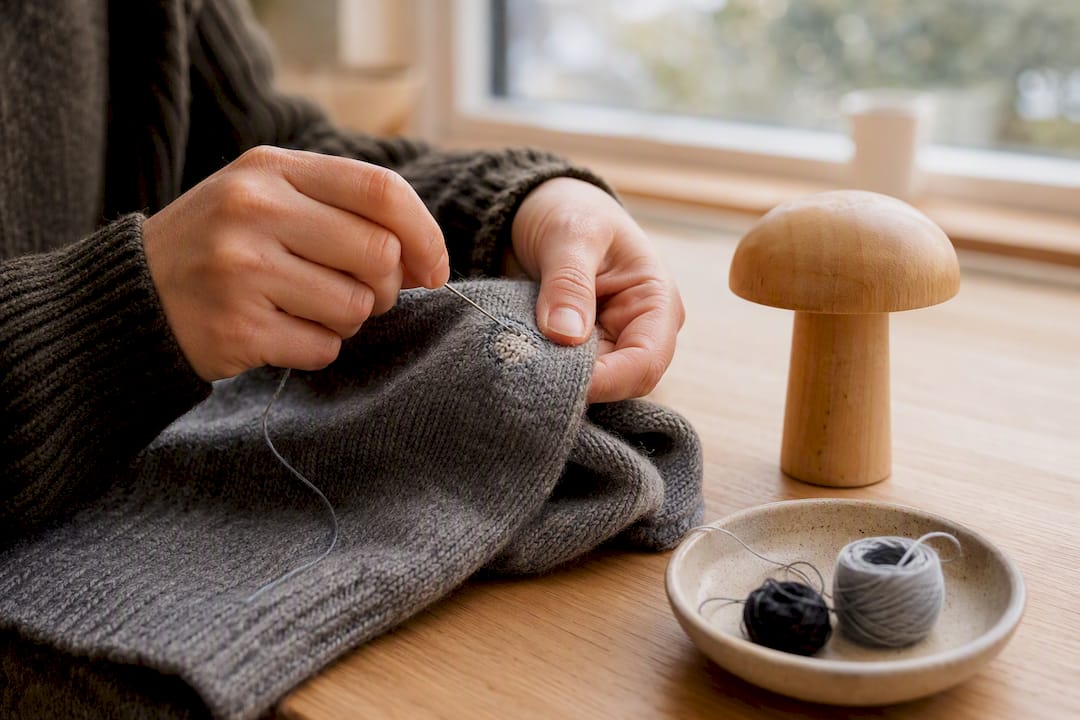
When you do buy, judge materials against four criteria: is it renewable, is it recyclable at end of life, is it low in toxic processing chemicals, and can it actually be repaired rather than only replaced. Cork performs well against all four. It’s harvested without cutting down the tree, it’s biodegradable, and cork accessories tend to age well rather than crack or peel the way some synthetic leathers do over a year or two of regular use. Thecorkstore’s guide on how to spot eco-friendly materials walks through specific checks worth running before you buy any accessory claiming to be sustainable.
Watch for red flags too:
- Vague claims like “eco-friendly” or “green” with no material or process detail behind them.
- No information on where or how a product was made.
- Certifications that sound official but aren’t independently verifiable.
- Packaging or marketing that emphasises colour (green branding) over substance.
Thecorkstore’s piece on spotting real eco-friendly materials in cork bags covers five practical checks you can run on any accessory, cork or otherwise, before you buy it.
How do you build habits that actually stick?
Start with a week-long waste audit: weigh your non-recyclable rubbish daily for seven days to see which items show up most often. That single week usually reveals one or two easy substitutions, according to a practical sustainability guide, whether that’s coffee cups, food packaging, or takeaway containers.
- Pick one micro-commitment (meat-free Mondays, a five-minute shower timer) rather than five.
- Stack the new habit onto an existing one, such as composting scraps while you do the washing-up.
- Put a trigger on your calendar or a reminder on your bin lid until it’s automatic.
- Look for a local repair café or tool library rather than replacing broken items outright.
- Track one number weekly and note small wins, even if it’s just a lighter bin.
Pro Tip: Tell one other person about your target. Public micro-commitments, even a text to a friend saying “no beef this week,” measurably improve follow-through compared with private goals nobody else knows about.
What myths get in the way of living sustainably?
The biggest myth is that an eco-friendly lifestyle demands perfection or personal sacrifice. It doesn’t. The IPCC’s own findings show that many of the highest-impact actions, like efficient heating and reduced beef consumption, improve comfort and save money rather than costing you something.
A second myth: that individual action is pointless next to industrial emissions. This misses how demand-side behaviour aggregates. When millions of households shift food choices, energy use and transport habits together, that collective demand shift is exactly the mechanism the IPCC points to when estimating that 40 to 70% emissions reduction potential by 2050.
A third myth worth retiring: that sustainable products are always more expensive. Some are, particularly niche organic goods, but many of the biggest wins (LED bulbs, draught-proofing, buying less overall, cooking at home more) actively save money rather than costing extra.
Finally, people often assume recycling is the main lever. It’s useful, but it ranks well below food, energy and transport choices in terms of actual impact. Treating recycling as the finish line, rather than the easiest starting point, is probably the single most common misdirection in how sustainability gets talked about at a household level.
What actually stops people from going greener?
Cost is the barrier people mention first, and it’s real for some choices, such as an electric vehicle or a heat pump. But it’s worth separating high-upfront-cost actions from the many low-cost or cost-saving ones (meal planning, draught-proofing, buying less) that get lumped in unfairly with the expensive examples.
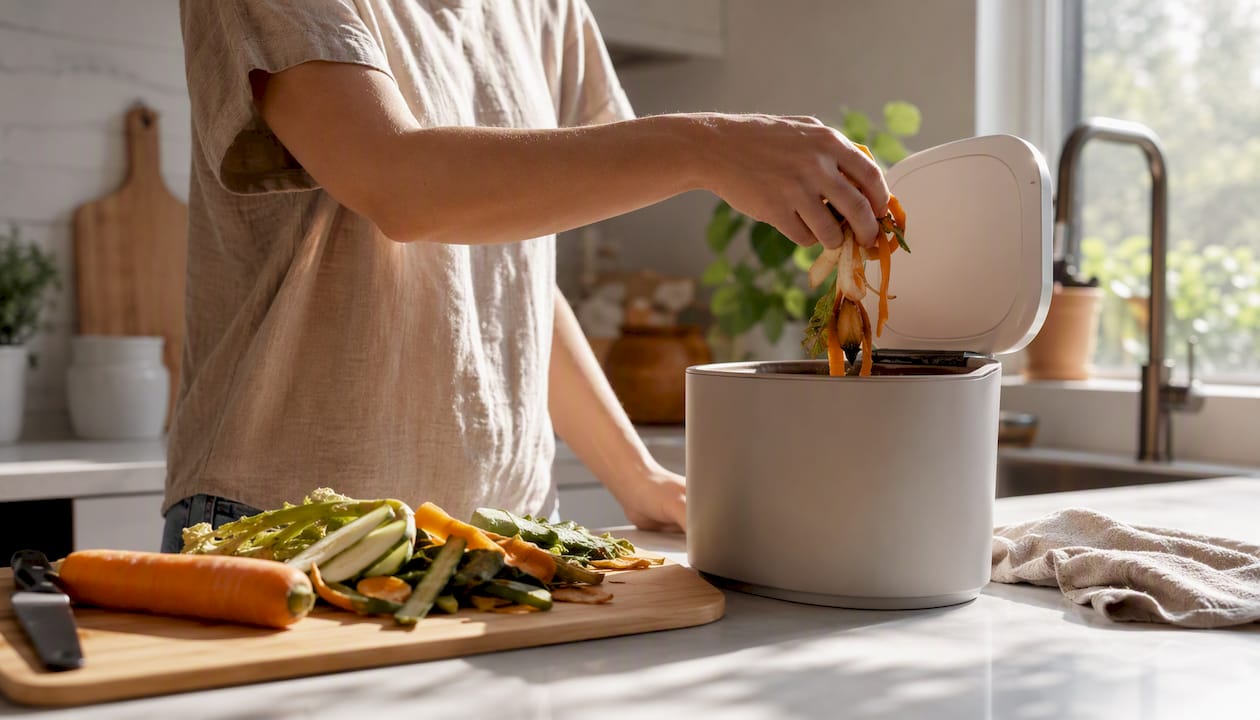
Time and convenience are the second major barrier. Composting feels like effort until you have a caddy under the sink; cycling feels risky until you’ve done the route once in daylight. The fix is almost always to lower the first step, not to demand more willpower.
Information overload trips people up too. Faced with dozens of “sustainable swaps” lists, many people default to doing nothing rather than picking one thing. This is exactly why prioritising by impact matters more than following an exhaustive checklist.
Social and infrastructure gaps matter as well. Not every area has kerbside food waste collection, a repair café, or safe cycling routes. Where that’s the case, the honest move is to focus on what’s actually available locally (home composting, energy efficiency, buying durable goods) rather than feeling stuck because one option isn’t accessible yet.
How does policy shape what individuals can achieve?
Individual habits matter, but they operate inside systems that policy either helps or hinders. Renewable electricity tariffs only exist because of grid and market regulation. Kerbside food waste collection depends entirely on local council infrastructure. Heat pump adoption is heavily influenced by subsidy schemes and building codes in a given country.
This is where advocacy earns its place alongside personal action. Supporting local composting schemes, backing planning rules that require energy-efficient new-builds, or simply responding to public consultations on transport infrastructure extends your impact beyond your own household. The IPCC’s assessment treats policy and demand-side behaviour as complementary, not competing, forces: individual choices shift markets, and policy makes the low-effort, high-impact choices available to more people in the first place.
None of this means personal action doesn’t count without policy support. It means the two amplify each other, and someone frustrated that their council doesn’t collect food waste yet can still compost at home while pushing for that service to exist.
Sustainable living and sustainable style aren’t separate goals
People tend to treat “living sustainably” and “dressing sustainably” as different projects, but the underlying rule is identical: buy less, and buy things built to last. A well-made cork bag that lasts a decade beats five fast-fashion bags that fall apart within two years, both financially and in terms of manufacturing impact avoided. Readers who want to go deeper on spotting genuine durability, rather than marketing dressed up as sustainability, will find practical checks in Thecorkstore’s guide on why sustainable materials are transforming eco-conscious style.
— Aaron
A durable cork accessory is one habit that pays for itself
You’ve just read a lot about prioritising high-impact, low-effort changes, and buying fewer, better-made things sits right at the top of that list. A cork bag or wallet is harvested without felling trees, it’s fully vegan, and it’s built to outlast the fast-fashion alternatives you’d otherwise replace every year or two, which means fewer purchases and less waste over time.
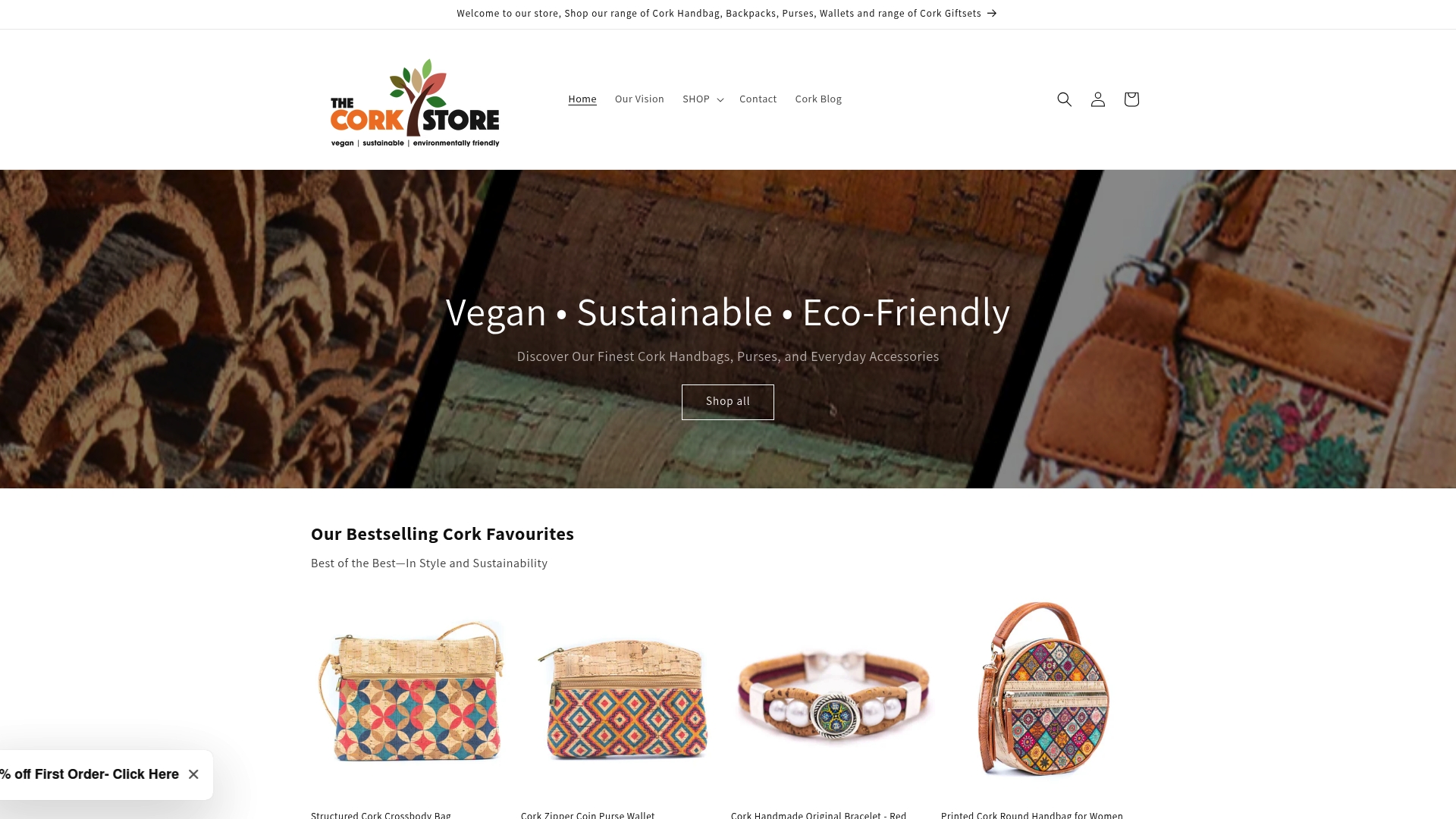
If you’re shopping for a gift rather than yourself, Thecorkstore’s women’s gift sets collection is worth a look: curated cork accessories that give someone a durable, cruelty-free alternative to typical leather gifting without asking you to compromise on style. Browse the collection and see which set suits the person you’re buying for.
Sources
- IPCC AR6 WG3
- UNEP — sustainable lifestyles and circularity
- Conservation International – sustainable living tips
- EPA — social benefits of green infrastructure
FAQ
What are some examples of eco-friendly lifestyle changes?
Common examples include eating more plant-based meals, insulating your home, cycling or walking short trips instead of driving, buying secondhand or durable goods like cork accessories, and composting food scraps.
Can you give an example of a sustainable lifestyle in practice?
Someone living sustainably might switch to a renewable electricity tariff, cut beef consumption to once a week, repair clothing instead of replacing it, and commute by bike rather than car for trips under two miles.
What are some everyday sustainable ideas to start with?
Start small: LED bulbs, a compost caddy, one meat-free day a week, fixing draughts, choosing durable accessories such as cork over fast fashion, and walking short journeys instead of driving.
Is an eco-friendly lifestyle more expensive?
Not usually. Many of the highest-impact changes, including draught-proofing, meal planning, and buying fewer but better-made goods like cork accessories, save money rather than costing more.
How do I know if a product is genuinely eco-friendly?
Check whether the material is renewable, recyclable, low-toxicity and repairable, and be wary of vague “green” claims with no detail behind them; Thecorkstore’s guide to spotting sustainable materials covers the specific checks to run.