
Why buy reusable accessories: benefits and savings
TL;DR:
- Switching to reusable accessories reduces plastic waste, saves money, and lowers chemical exposure. They become eco-friendly through consistent daily use, offering durability, style, and health benefits. Starting with frequently replaced items ensures long-term value and easier habit formation.
Buying reusable accessories is one of the most direct ways to cut personal waste, reduce costs, and protect your health. The term “reusable accessories” covers any item designed for repeated use in place of a single-use equivalent, from water bottles and drinkware to bags, wallets, and personal care products. A single reusable bottle replaces at least 156 disposable plastic bottles every year. That figure alone makes the environmental case, but the financial and health arguments are equally compelling. This article covers every major reason to choose reusable items, with practical guidance on how to make the switch work for your daily routine.
Why buy reusable accessories: the core case
Reusable accessories reduce landfill waste at a scale that single acts of recycling cannot match. One person switching to a reusable bottle prevents roughly 3.9kg of plastic waste over five years, according to bottle lifecycle data. That is the equivalent of eliminating 780 disposable bottles from circulation. Multiply that across a household, and the reduction becomes substantial.
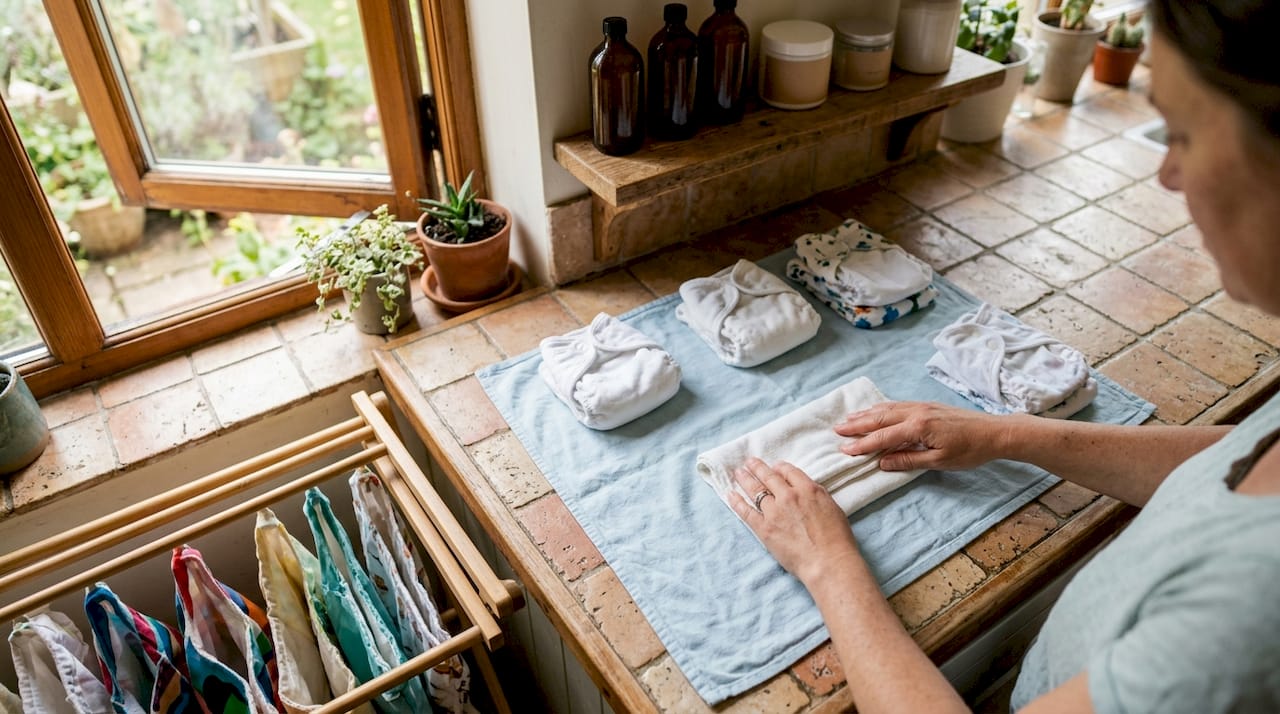
The financial case is just as clear. Reusable nappies, for example, save parents up to £500 per child when compared with disposables. Reusable liners add a further £75 in savings, and homemade reusable wipes save an additional £250. These are not marginal gains. They are the kind of savings that shift a household budget meaningfully over two or three years.
The health argument is less discussed but equally important. Many single-use plastics contain phthalates, chemicals linked to reproductive and hormonal issues. Switching to reusable stainless steel, glass, or cork accessories removes that exposure from your daily routine. The benefits of reusable accessories therefore operate across three distinct dimensions: environmental, financial, and personal health.
What environmental benefits do reusable accessories offer?
The environmental impact of accessories is most visible in plastic waste. Single-use plastics are designed to be discarded after one use, yet they persist in landfill and waterways for hundreds of years. Reusable alternatives interrupt that cycle at the point of purchase.
The numbers are specific. A reusable water bottle eliminates 156 disposable bottles per year per person. Over five years, that is 780 fewer bottles entering the waste stream. At a household level, the reduction in plastic pollution is significant, and the effect compounds when reusable bags, containers, and personal care items are added to the mix.
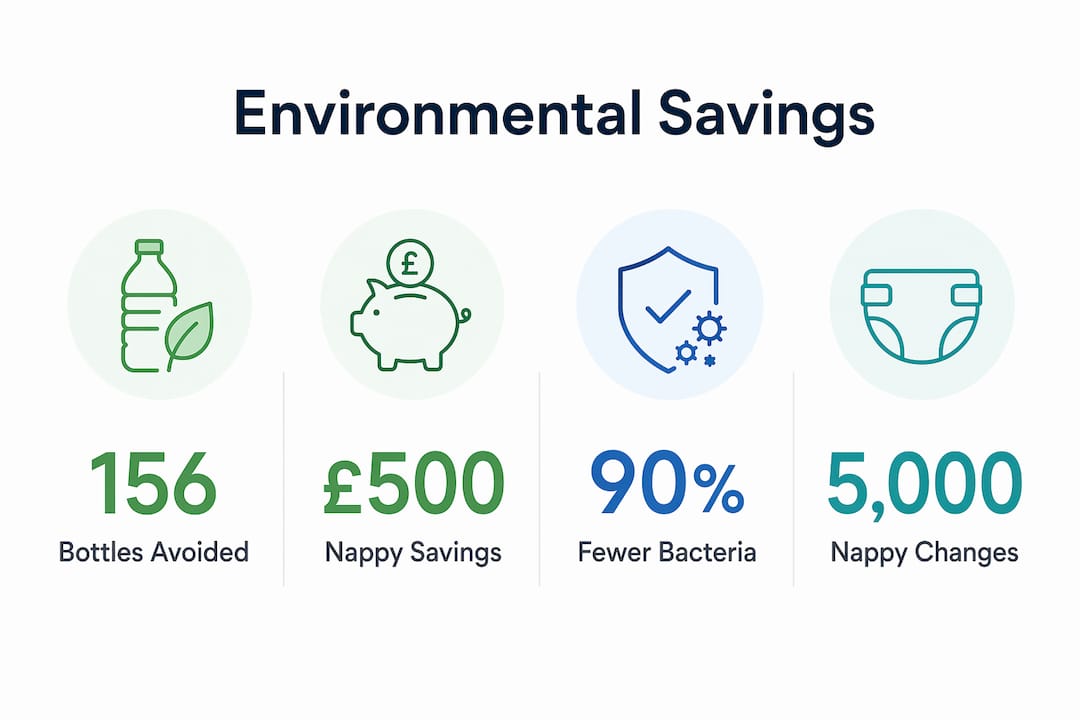
Reusable nappies illustrate the broader environmental case. A typical baby requires around 5,000 nappy changes. Disposable nappies generate a large volume of non-biodegradable waste, whereas reusable versions, when washed and maintained correctly, serve the same function with a fraction of the environmental footprint. The environmental impact of reusable nappies extends to reduced emissions from manufacturing and transport as well.
Durability is a critical factor. A reusable product only becomes genuinely eco-friendly after 20–30 uses. That means the environmental benefit depends entirely on consistent use. Products that are easy to clean and fit naturally into daily habits reach that break-even point quickly. Products that sit unused in a cupboard do not.
Key environmental gains from switching to reusable accessories include:
- Reduction in single-use plastic entering landfill and oceans
- Lower carbon emissions from reduced manufacturing of disposables
- Decreased demand for virgin raw materials
- Reduced packaging waste across product categories
- Long-term pollution prevention through sustained daily use
How do reusable accessories save money in the long term?
The financial benefits of reusable accessories are straightforward once you calculate the cost of what you are replacing. Disposable products carry a hidden subscription cost. You pay for them repeatedly, often without noticing how much the total adds up to over a year.
Reusable water bottles demonstrate this clearly. Avoiding single-use bottle purchases can save over £240 per year for regular buyers. A quality reusable bottle costs a fraction of that figure and lasts for years with basic maintenance. The break-even point arrives within weeks for most people who drink bottled water regularly.
The savings on reusable nappies are even more striking. Parents who switch to reusable nappies and liners can save well over £800 per child across the nappy-wearing years. That figure includes savings on liners and wipes. For families with more than one child, the same reusable products can be used again, multiplying the financial return without any additional outlay.
Budget analysts who study low-friction spending note that reusable products succeed financially when they replace items bought frequently, such as daily or weekly. Replacing a product you use once a month produces minimal savings and risks the item being forgotten. The strongest financial case for reusable accessories lies in high-frequency replacements.
Practical steps to maximise your financial return:
- Start with the disposable product you buy most often
- Choose a reusable version with a clear break-even point under 30 uses
- Select items that are easy to clean so you actually use them
- Look for modular designs where parts can be replaced rather than the whole product
- Track your savings over three months to reinforce the habit
Pro Tip: Calculate your monthly spend on a single disposable product before buying its reusable equivalent. If you spend more than £5 per month on it, the reusable version will pay for itself within a year in almost every case.
What health advantages come from choosing reusable over disposable?
Reducing chemical exposure is the most direct health benefit of switching to reusable accessories. Many single-use plastics contain phthalates and other additives that can leach into food and drink. Reusable glass, stainless steel, and cork accessories carry none of these risks. The reduction in phthalate exposure from switching materials is a measurable health gain, not a theoretical one.
Bacterial contamination is another area where reusables outperform disposables. Reusable glass containers harbour 90% fewer bacterial colonies than disposable plastic equivalents. That figure challenges the common assumption that single-use products are inherently more hygienic. A properly cleaned reusable container is significantly cleaner than a disposable one that has been handled in transit and storage.
“Reducing personal exposure to toxic chemicals through reusable products is a key but often overlooked health benefit.” Reusable accessories made from natural materials like cork, glass, and stainless steel deliver this benefit passively, simply by existing in your routine.
Behavioural health benefits also matter. Reusable water bottles with time markers and visual cues support better hydration habits by making water intake visible and goal-oriented. Environmental psychology research confirms that physical prompts embedded in product design change behaviour reliably over time. A reusable bottle you carry daily becomes a hydration tool, not just a container.
Health advantages of reusable accessories at a glance:
- No phthalate or chemical leaching from natural materials
- Significantly lower bacterial contamination when cleaned correctly
- Improved hydration through behavioural design features
- Cleaner personal environments by reducing disposable packaging waste
- Indirect health gains from reduced pollution in local ecosystems
What practical factors should you consider when buying reusable accessories?
The most common reason reusable accessories fail is poor fit with daily routines. A product that requires extra steps, special cleaning, or dedicated storage tends to be abandoned. The break-even analysis for reusables confirms that low-friction adoption is the single biggest predictor of long-term success.
Choosing the right product starts with frequency of use. Reusable accessories deliver their environmental and financial benefits only through repeated use. An item used daily reaches its ecological break-even point within weeks. An item used once a month may never justify its production footprint.
Here is a practical checklist for selecting reusable accessories that will actually stick:
- Frequency test. Does this replace something you use at least weekly? If not, reconsider.
- Cleaning ease. Can it be washed quickly without special equipment or long drying times?
- Storage fit. Does it fit naturally into your existing storage without creating clutter?
- Modularity. Can individual parts be replaced if they wear out, rather than replacing the whole item?
- Accessory ecosystem. Does it work with complementary accessories that extend its usefulness?
Modular and repairable accessories significantly extend lifecycle and amplify both environmental and financial benefits. A cork wallet that can be repaired rather than replaced, or a drinkware set where caps and straws are sold separately, delivers far more value over time than a sealed, non-repairable equivalent.
Reusable drinkware accessories such as replacement caps, silicone straws, and insulating sleeves reduce the friction that causes people to abandon their bottles. These small additions extend product life and improve the daily experience of using reusables.
Pro Tip: Buy one reusable accessory at a time and use it for 30 days before adding another. This builds the habit without creating a drawer full of unused eco-products.
How do sustainable accessories connect style with environmental responsibility?
Consumer interest in sustainable accessory materials like cork, bamboo, and recycled fabrics is growing steadily. This is not a niche trend. It reflects a broader shift in how people think about what they carry and wear every day. Sustainable design now merges function with aesthetic appeal in ways that were not common a decade ago.
Cork is a particularly strong example. It is harvested without cutting down trees, making it one of the most genuinely renewable materials in fashion accessories. Cork bags, wallets, and purses are water-resistant, lightweight, and vegan. They carry none of the ethical concerns associated with leather and none of the environmental cost of synthetic alternatives. The 2025 sustainable accessory trends show cork moving firmly into mainstream fashion rather than remaining a specialist eco-product.
Bamboo and recycled fabrics follow a similar trajectory. Both materials reduce reliance on virgin resources and offer durability that matches or exceeds conventional alternatives. Consumers choosing these materials are not making a compromise on quality. They are making a choice that happens to be better for the environment.
The style case for sustainable accessories rests on three points:
- Natural materials like cork develop a unique patina with use, improving in appearance over time
- Sustainable accessories are increasingly available in contemporary designs that suit professional and casual settings
- Choosing visible, well-made eco-accessories signals values that resonate with a growing community of like-minded consumers
The environmental impact of accessories is amplified when the product is also durable and versatile. A cork handbag used daily for three years prevents far more waste than a synthetic bag replaced annually.
Key takeaways
Reusable accessories deliver measurable environmental, financial, and health benefits, but only when chosen for frequent use and maintained with ease.
| Point | Details |
|---|---|
| Environmental impact | One reusable bottle eliminates 156 disposable bottles per year, preventing 3.9kg of plastic waste over five years. |
| Financial savings | Switching to reusable nappies, bottles, and wipes can save a household hundreds of pounds annually. |
| Health benefits | Reusable glass and cork accessories reduce phthalate exposure and harbour far fewer bacteria than disposable plastics. |
| Practical adoption | Reusables only become eco-friendly after 20–30 uses, so choose items that fit your daily routine without added friction. |
| Style and durability | Materials like cork and bamboo offer genuine durability and contemporary design, making sustainable choices easy to maintain long-term. |
The honest truth about switching to reusables
I have watched people buy a set of reusable products with genuine enthusiasm, only to find them gathering dust six months later. The problem is almost never motivation. It is friction. The bamboo cutlery set that requires hand-washing and air-drying does not survive the morning rush. The reusable coffee cup that leaks slightly gets left at home after the third incident.
The accessories that actually change behaviour are the ones that fit invisibly into what you already do. A cork wallet replaces a leather one without changing a single habit. A well-designed reusable bottle goes in your bag the same way a plastic one did. That is where the real wins are. Not in the dramatic overhaul, but in the quiet swap that you stop noticing after a week.
The style dimension matters more than most sustainability guides admit. If you genuinely like the look of your reusable bag, you carry it. If it feels like a compromise, it stays on the hook by the door. Thecorkstore’s approach of combining genuine sustainability with contemporary design addresses this directly. The eco-friendly styling guide for 2026 is worth reading if you want practical ideas for integrating sustainable accessories into a wardrobe you actually enjoy.
Start with one item. Use it until it becomes automatic. Then add another. The collective impact of consistent, habitual use far outweighs the occasional grand gesture.
— Aaron
Thecorkstore: sustainable accessories worth carrying
Thecorkstore specialises in cork accessories that are vegan, cruelty-free, and built to last. Every product, from handbags and backpacks to wallets and purses, is made from sustainably harvested cork that requires no tree felling and no synthetic materials.
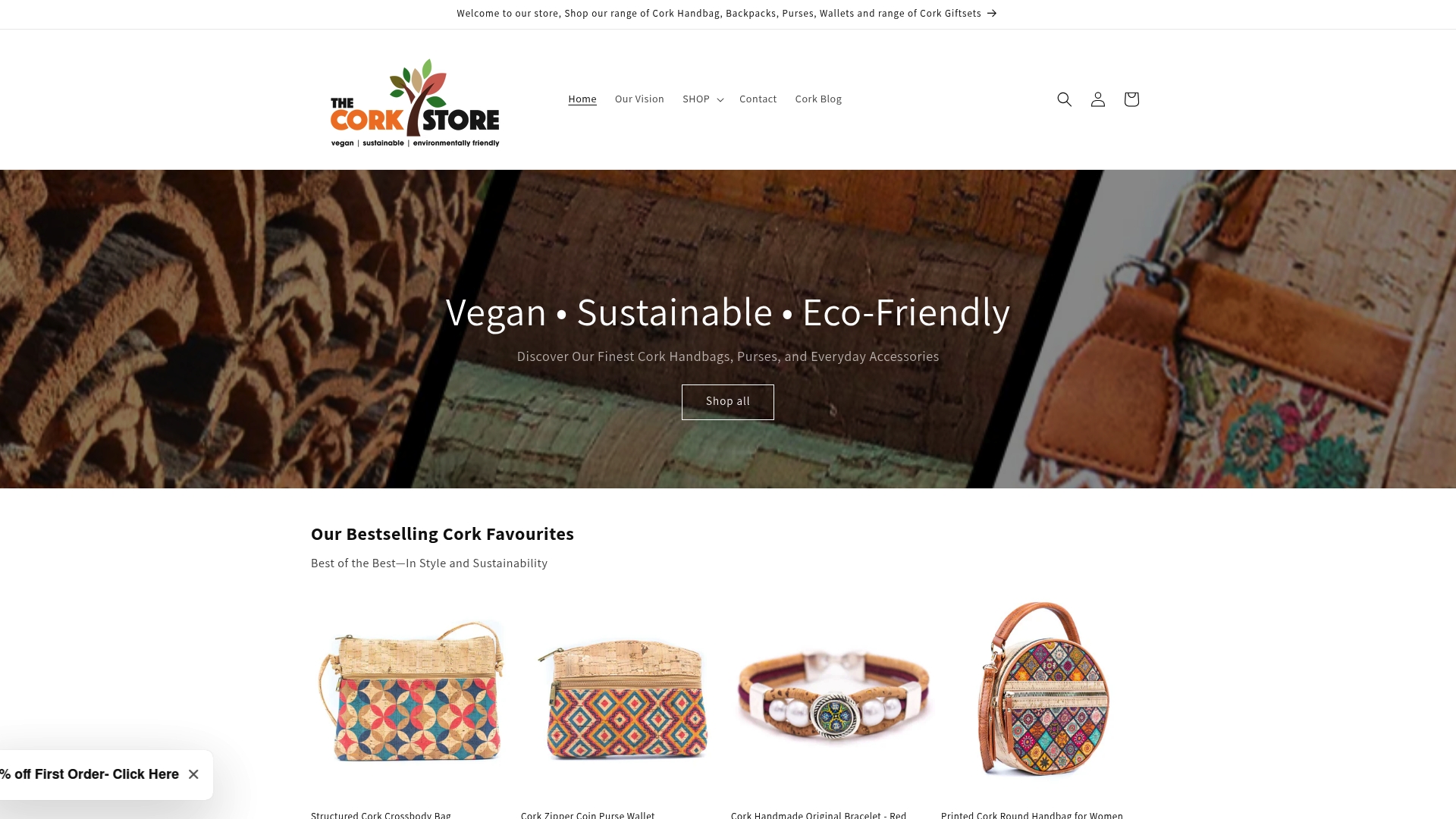
If you are ready to make the switch to eco-friendly accessories that hold their own on style as well as sustainability, Thecorkstore’s range is a practical starting point. The products are designed for daily use, which means they reach their environmental break-even point quickly and keep delivering value for years. Visit Thecorkstore to browse the full collection and find the right sustainable accessory for your routine.
FAQ
Why are reusable accessories better for the environment?
Reusable accessories reduce the volume of single-use plastics entering landfill and waterways. A single reusable bottle eliminates at least 156 disposable bottles per year, preventing roughly 3.9kg of plastic waste over five years.
How quickly do reusable accessories pay for themselves?
Most reusable accessories reach their financial break-even point within weeks when they replace a product used daily. Reusable nappies and bottles typically pay for themselves within the first few months of consistent use.
Are reusable accessories actually more hygienic than disposables?
Reusable glass containers harbour 90% fewer bacterial colonies than disposable plastic equivalents when cleaned correctly. The assumption that single-use products are more hygienic is not supported by the evidence.
What materials are best for reusable accessories?
Cork, stainless steel, glass, and bamboo are the strongest choices. They contain no phthalates, are durable, and are easy to clean. Cork is particularly well-suited to fashion accessories because it is lightweight, water-resistant, and vegan.
How do I choose the right reusable accessory to start with?
Choose the disposable product you buy most frequently and find its reusable equivalent. Frequency of use is the single most important factor in making a reusable accessory worthwhile, both financially and environmentally.