

Why choose plant-based materials for sustainable style
TL;DR:
- Plant-based materials are renewable, biodegradable alternatives that reduce environmental impact and support circular economies. Their adoption by major brands is driven by regulatory pressures, supply chain resilience, and consumer demand for transparency and sustainability. Proper design and sourcing are essential to ensure performance, end-of-life biodegradability, and authentic ecological benefits.
Plant-based materials are renewable, biodegradable alternatives to synthetic and animal-derived materials, and they are reshaping how consumers and designers approach sustainable fashion. The shift to bio-based materials, the recognised industry term for this category, is accelerating across fashion, accessories, and lifestyle products. Brands like Stella McCartney and Allbirds have adopted materials such as Piñatex (made from pineapple leaf fibres), cactus leather, hemp, and cork to meet growing demand for ethical, low-impact products. Understanding why choose plant-based materials means looking at the full picture: environmental performance, practical properties, regulatory pressure, and circular economy potential.
What are the environmental benefits of plant-based materials?
Plant-based materials deliver measurable reductions in carbon footprint, fossil fuel dependence, and end-of-life pollution compared to conventional synthetics and animal-derived leathers. These advantages are not theoretical. They are backed by lifecycle assessments and production data that make the case for switching compelling.
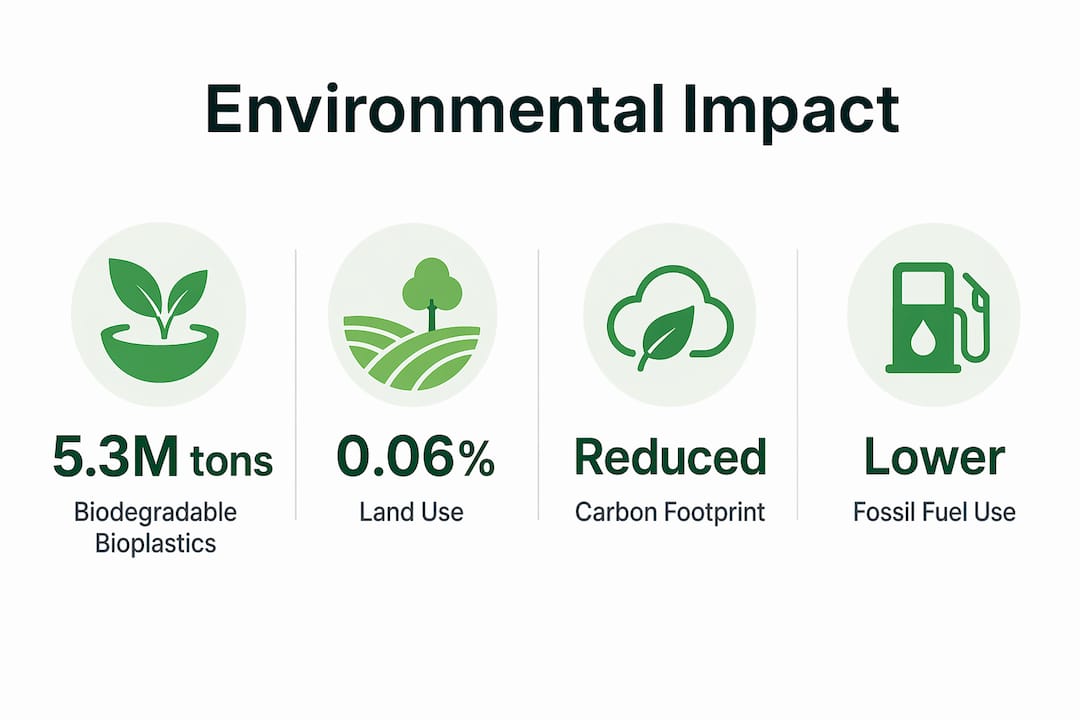
Biodegradable bioplastic production is forecast to grow from 0.88 million tons in 2021 to 5.3 million tons by 2030. This signals a fundamental departure from petroleum-based polymers, which persist in landfill for centuries. For designers specifying materials for packaging or product components, this trajectory matters because it reflects both supply availability and falling costs.
One of the most persuasive data points concerns land use. Biopolymer production is projected to use only 0.06% of global agricultural land by 2026, up from 0.01% in 2021. This effectively dismantles the argument that bio-based materials compete with food production. The land footprint is negligible, and most growth is driven by agricultural waste valorisation rather than dedicated crops.
Wood-based biomaterials offer a useful benchmark for understanding the scale of environmental gains. Substituting aluminium alloys with wood-based biomaterials produces the greatest reduction in global warming potential and energy demand among studied material substitutions. While aluminium is not a fashion material, this lifecycle finding illustrates a principle that applies across categories: replacing energy-intensive conventional materials with plant-based alternatives consistently reduces environmental impact.
The biodegradability advantage is equally significant for packaging. Plant protein-based films achieve over 95% degradation within 30 days under composting conditions, compared to conventional polyethylene which barely degrades at all. For brands using sustainable packaging alongside their products, this is a direct route to reducing plastic pollution at the point of disposal.
Key environmental advantages at a glance:
- Lower greenhouse gas emissions from bio-based production versus petrochemical processes
- Renewable sourcing from crops and agricultural residues, reducing fossil fuel extraction
- Minimal land competition with food production, particularly when using agro-waste feedstocks
- Rapid biodegradability closing the loop on product end-of-life
- Reduced toxic chemical use compared to synthetic tanning and dyeing processes
How do plant-based materials perform in fashion and lifestyle products?
Performance is where plant-based materials face the most scrutiny, and rightly so. Consumers and designers need materials that hold up to daily use, not just score well on sustainability metrics. The honest answer is that plant-based materials vary considerably, and understanding their properties is the first step to using them well.
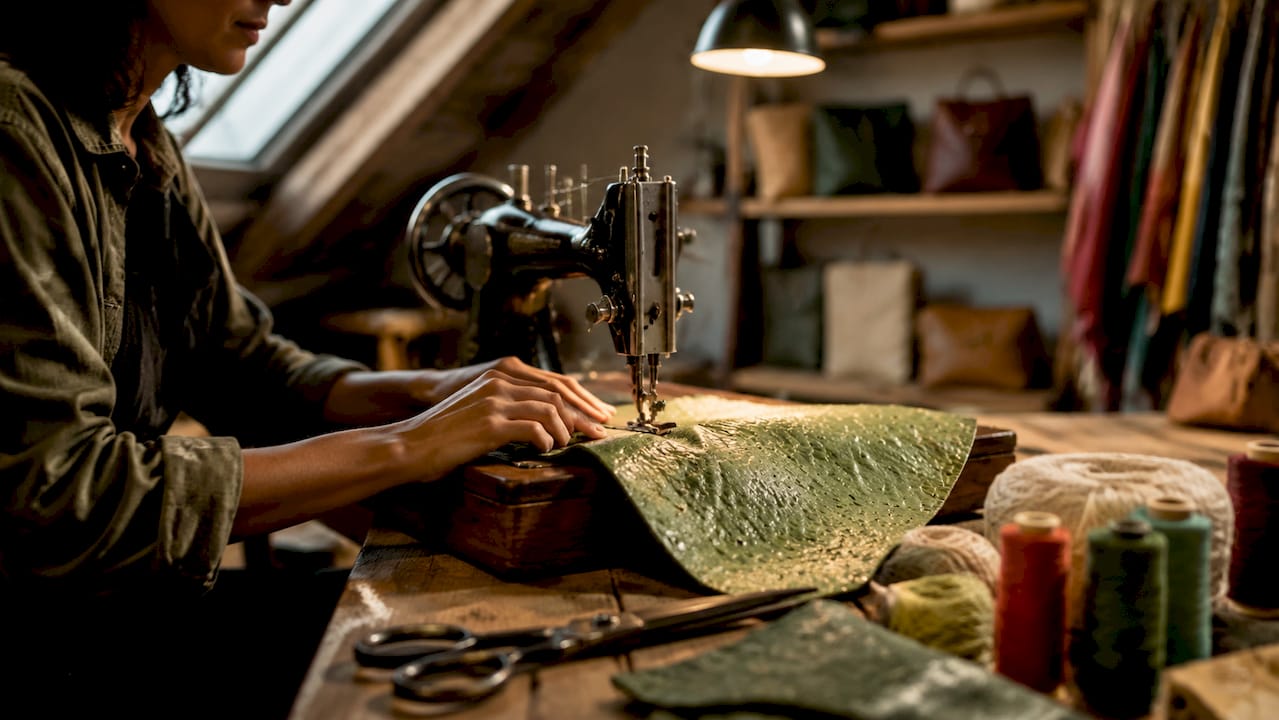
Cork, hemp, linen, Piñatex, and cactus leather each bring distinct mechanical properties. Cork is naturally water-resistant, lightweight, and remarkably durable, making it well-suited to wallets, bags, and accessories. Hemp and linen offer high tensile strength and breathability, performing well in apparel. Piñatex, developed by Ananas Anam from pineapple leaf fibres, provides a leather-like texture with good abrasion resistance. Cactus leather, produced by Desserto, offers flexibility and a soft hand-feel comparable to animal leather.
That said, many plant-based materials struggle with moisture barrier performance and mechanical stability in their raw form. These limitations are real but solvable. Blending plant-based polymers with other natural materials, or applying protective coatings such as natural waxes, significantly improves durability without undermining biodegradability. Designers who understand this can specify materials intelligently rather than treating plant-based as a binary choice.
Pro Tip: When specifying plant-based materials for accessories or packaging, always ask suppliers about the coating or blending method used. A cork bag with a water-based protective finish performs far better in daily use than uncoated cork, and the environmental profile remains strong if the coating is non-toxic and water-soluble.
Production scalability is improving as the industry moves away from dedicated crops toward valorising agricultural waste. Pineapple leaf fibres, sugarcane bagasse, and grape marc are all byproducts of existing food industries. Converting these residues into fashion materials reduces production costs and avoids the land-use and resource pressures associated with growing dedicated fibre crops. This is why materials like Piñatex and cork, which is harvested from cork oak bark without felling the tree, represent the most credible plant-based options for eco-conscious material choices in fashion today.
What economic and regulatory factors are driving adoption?
Consumer preference alone does not explain why major brands are accelerating their shift to plant-based materials. Regulatory pressure and supply chain economics are equally powerful drivers, and they are reshaping sourcing decisions at every level of the industry.
ESG and legal requirements in the US, Japan, and Europe now mandate transparent supply chains and strict carbon reporting. Brands that cannot demonstrate low-carbon material sourcing face restricted market access and reputational risk. For designers and buyers, this means plant-based materials are increasingly a compliance requirement, not just a values statement.
Supply chain resilience is another economic argument. Plant-based materials sourced from regional agricultural byproducts are less exposed to oil price volatility than synthetics derived from petrochemicals. When crude oil prices spike, the cost of polyester, nylon, and synthetic leather rises sharply. Cork from Portugal, hemp from France, or linen from Belgium carries no such exposure. This makes plant-based sourcing a genuine risk management strategy, not just an ethical preference.
“The shift to plant-based materials is forced not just by consumer demand but also by tightening global legal requirements for transparent supply chains and carbon reporting.” — Ecosoi
The economic case is also strengthened by consumer trust. Shoppers who can verify the origin and lifecycle of a product are more likely to become repeat buyers. Brands that invest in plant-based materials and communicate that clearly build loyalty that synthetic-material brands struggle to match. The retail sector’s adoption of sustainable materials reflects this shift in buyer expectations, with plant-based options appearing across product categories from accessories to display fixtures.
Challenges remain. Industrial composting infrastructure is not universally available, which limits the end-of-life benefit of biodegradable materials in markets without adequate facilities. Cost competitiveness is improving but has not yet reached parity with the cheapest synthetics at scale. These are real constraints that honest brands acknowledge rather than obscure.
How do plant-based materials support a circular economy?
The circular economy argument for plant-based materials rests on a simple principle: materials that come from living systems can return to living systems. Synthetic materials break this loop. Plant-based materials, when properly designed and sourced, close it.
- Agricultural residues become raw materials. Pineapple leaf fibres, sugarcane bagasse, and coconut husks are byproducts of food production. Converting them into fashion materials adds value to waste streams and reduces the volume of agricultural residue that would otherwise be burned or landfilled.
- Rapid biodegradation prevents pollution. Unlike polyester or PVC, plant-based materials break down in composting environments without releasing microplastics or toxic residues. This prevents the accumulation of material waste in soils and waterways.
- Regenerative sourcing supports rural economies. Cork harvesting in Portugal and Spain supports rural communities and regenerative land management. The cork oak forests, known as montados, are among the most biodiverse habitats in Europe, and harvesting cork bark actually stimulates tree growth.
- Reduced chemical processing. Plant-based tanning and dyeing methods use fewer toxic chemicals than conventional leather processing, reducing the burden on wastewater treatment and protecting worker health.
- Design for end-of-life. Products made from a single plant-based material, or clearly separable components, can be composted or recycled without complex sorting. This is a design principle, not just a material choice.
Pro Tip: If you are designing a product with circularity in mind, choose a single dominant plant-based material rather than complex blends. A cork wallet with a natural linen lining is far easier to compost or recycle than one with mixed synthetic and natural components.
True circularity requires more than bio-derived content. As the Plastic Pollution Coalition notes, regenerative materials must be biobased, sustainably sourced, and fully biodegradable in natural environments. Simply labelling a product as plant-based does not guarantee these properties. Consumers and designers should look for end-to-end transparency, including sourcing, processing, and disposal guidance, before accepting sustainability claims at face value. You can learn more about identifying genuine options in this guide on spotting sustainable materials.
Key takeaways
Plant-based materials deliver genuine environmental, economic, and ethical advantages over synthetics and animal-derived alternatives, but their full benefit depends on transparent sourcing, thoughtful design, and proper end-of-life planning.
| Point | Details |
|---|---|
| Environmental gains are measurable | Biodegradable bioplastics and plant-based fibres consistently reduce carbon footprint and fossil fuel use versus synthetics. |
| Land use impact is minimal | Biopolymer production uses less than 0.06% of global agricultural land, making food competition a non-issue. |
| Performance requires design thinking | Blending and natural coatings solve most moisture and durability limitations without sacrificing biodegradability. |
| Regulation is accelerating adoption | ESG and carbon reporting laws in Europe, the US, and Japan are making plant-based sourcing a compliance matter. |
| Circularity demands end-to-end transparency | Bio-derived content alone is not enough; regenerative impact requires sustainable sourcing and composting-ready design. |
Cork, plant-based materials, and what I have actually learned
The conversation around plant-based materials has matured considerably, and I think that is worth acknowledging. A few years ago, the category was dominated by aspirational claims and limited commercial options. Today, materials like cork, Piñatex, and cactus leather are available at scale, with documented lifecycle data and real supply chains behind them.
What I find most underappreciated is the performance story. Designers often assume that choosing plant-based means accepting a compromise on quality. Cork challenges that assumption directly. It is naturally antimicrobial, water-resistant, and more durable than most people expect from a bark-derived material. The plant-based bags made from cork outperform conventional leather on several practical metrics, not just sustainability ones.
The misconception I encounter most often is that bio-based automatically means sustainable. It does not. A plant-derived material processed with toxic chemicals, shipped across three continents, and designed to end up in landfill is not a circular product. The material origin is the starting point, not the conclusion. Designers who understand this ask harder questions of their suppliers and make better choices as a result.
My honest view is that the brands leading this space are not the ones with the loudest sustainability marketing. They are the ones who can show you exactly where their materials come from, how they are processed, and what happens to the product at the end of its life. That level of transparency is the real differentiator in 2026, and it is what consumers should be demanding.
— Aaron
Discover plant-based cork accessories from Thecorkstore
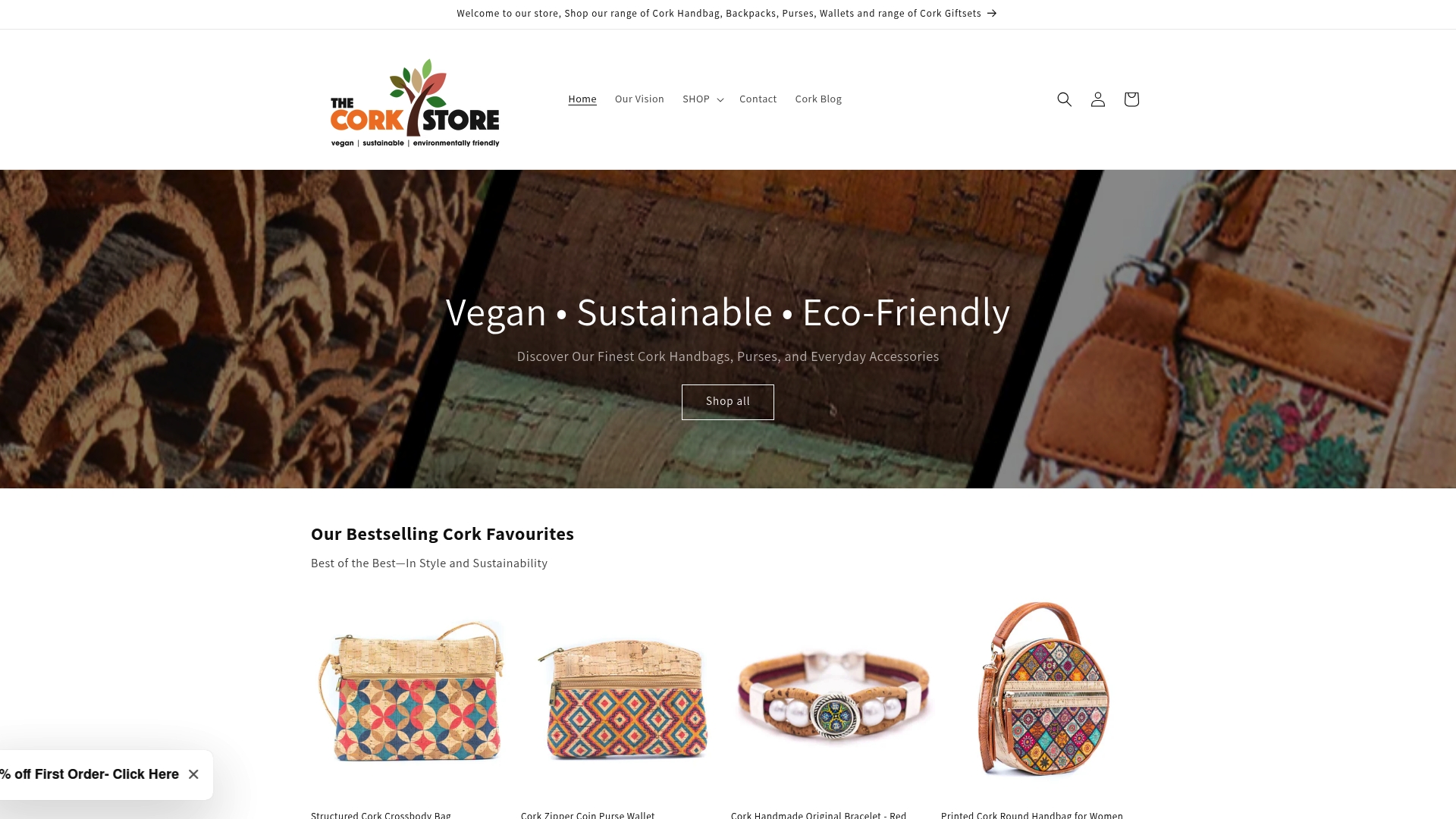
Thecorkstore offers a curated range of vegan cork accessories that put these principles into practice. Cork is harvested without felling the tree, processed without toxic chemicals, and crafted into products designed to last. If you are looking for a gift that genuinely reflects eco-conscious values, the cork wallet gift set from Thecorkstore combines sustainable style with practical everyday use. For a broader selection of plant-based, cruelty-free gifts, browse the full vegan cork gift collection to find something that aligns with your values and the recipient’s taste.
FAQ
What makes plant-based materials more sustainable than synthetics?
Plant-based materials are renewable, biodegradable, and produced with lower greenhouse gas emissions than petroleum-based synthetics. They also reduce fossil fuel dependence and, when sourced from agricultural waste, add value to existing byproduct streams.
Are plant-based materials durable enough for everyday accessories?
Yes, when properly designed. Cork, hemp, and cactus leather all offer strong mechanical properties, and natural protective coatings can address moisture resistance without compromising biodegradability.
Do plant-based materials compete with food production?
No. Biopolymer production is projected to occupy just 0.06% of global agricultural land by 2026, and most growth relies on agricultural waste rather than dedicated food crops.
Is all bio-based material genuinely sustainable?
Not automatically. Truly regenerative materials must be biobased, sustainably sourced, and fully biodegradable in natural environments. Processing methods and end-of-life design are just as important as the raw material origin.
Why are brands switching to plant-based materials now?
Regulatory requirements in Europe, the US, and Japan now mandate carbon transparency and sustainable sourcing. Combined with consumer demand and supply chain resilience benefits, plant-based materials have become both a compliance tool and a commercial advantage.
Recommended
- Discover top sustainable accessory trends for eco-conscious style – The Cork Store
- Why sustainable materials transform eco-conscious style in 2026 – The Cork Store
- Why Choose Sustainable Accessories for Ethical Style – The Cork Store
- Why Opt for Plant-Based Bags: Style Meets Sustainability – The Cork Store