

Sustainable accessory swaps: 10 stylish eco swaps
TL;DR:
- Sustainable accessory swaps involve exchanging or replacing fashion items with materials made from recycled, upcycled, or natural resources. These practices reduce waste and promote circular fashion, with cork, pineapple fiber, and ocean plastic leading innovative material choices. Organised swap events and proper care extend the lifespan of accessories, making eco-friendly style more accessible and enjoyable.
Sustainable accessory swaps are the practice of exchanging or replacing fashion accessories with items made from recycled, upcycled, or natural materials, reducing waste and supporting circular fashion. The Centre for Sustainable Fashion defines circular design as prioritising longevity, repairability, and recycled materials over fast, disposable trends. Organised swap events, upcycled jewellery, and cork accessories all fall under this umbrella. This guide covers the ten most practical eco-friendly swaps, how community swap events work, the materials driving change in 2026, and how to care for what you own.
1. What are the top sustainable accessory swaps to refresh your style?
The ten swaps below cover the most common accessories, ranked by environmental impact and ease of adoption.
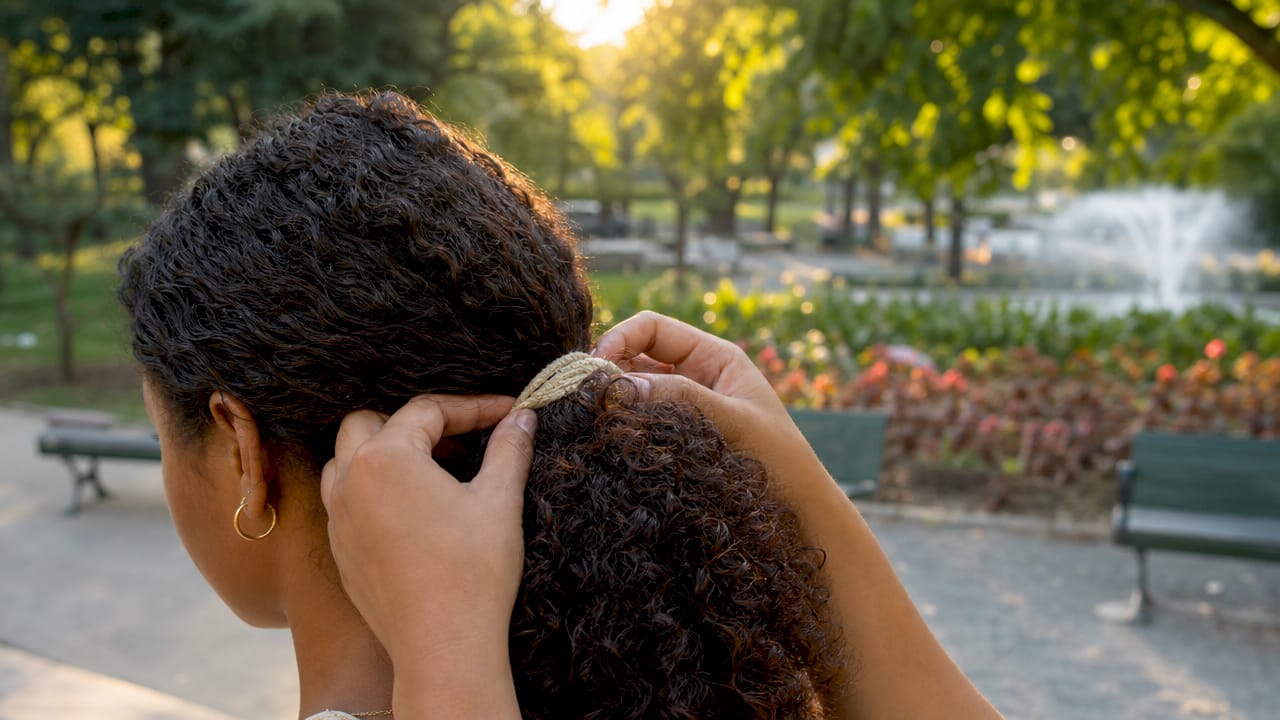
Swap 1: Pineapple fibre hair ties instead of plastic elastics
Pineapple fibre hair ties are one of the most direct zero waste fashion swaps available. Pineapple fibre accessories reduce roughly 30 grams of plastic waste per pack and prevent around 100 grams of CO2 emissions compared to polyester alternatives. That is a meaningful reduction for a product most people replace every few weeks. Pineapple fibre ties retail at around £10–£13 and can last up to a year with gentle care.
Swap 2: Upcycled ocean-plastic jewellery instead of conventional plastic pieces
Ocean-bound plastic yarn is now used in bracelets, earrings, and bag straps. Some pieces are made from up to 17 recycled bottles, diverting plastic from coastlines before it reaches the sea. The aesthetic is varied and contemporary, not the rough-edged craft look many people expect. A sustainable jewellery exchange built around ocean-plastic pieces is one of the fastest-growing categories at community swap events.
Swap 3: Cork wallets and bags instead of leather or synthetic leather
Cork is harvested from the bark of cork oak trees without felling them, making it one of the few truly renewable materials in fashion. It is naturally waterproof, lightweight, and biodegradable. Thecorkstore’s range of cork accessories includes wallets, handbags, and backpacks that match the durability of leather without the animal or environmental cost. Cork also develops a subtle patina over time, improving in character rather than degrading.
Swap 4: Natural fibre scarves instead of synthetic ones
Polyester and acrylic scarves shed microfibres with every wash and wear. Organic cotton, linen, and wool scarves do not carry this problem. Natural fibre scarves are also more breathable and tend to last longer before showing wear. Look for GOTS (Global Organic Textile Standard) certification as a reliable indicator of genuine organic content.
Swap 5: Repairable watches with replaceable straps
Most watch waste comes from straps, not the mechanism. Choosing a watch with a replaceable strap, ideally in cork, recycled rubber, or organic cotton, extends the product’s life by years. Repair cafés across the UK now service watch mechanisms, meaning the full product can be maintained rather than discarded.
Swap 6: Vintage and pre-loved sunglasses
Vintage sunglasses are the original upcycled fashion swap. Frames from the 1980s and 1990s were often made from acetate, a plant-derived plastic, which is more biodegradable than modern petroleum-based alternatives. Buying pre-loved also avoids the carbon cost of new manufacturing entirely.
Swap 7: Reusable fabric hair accessories instead of single-use plastic clips
Fabric scrunchies and hair wraps made from deadstock or organic cotton replace the plastic clips and slides that break within weeks. Deadstock fabric is surplus material from clothing manufacturers, so using it prevents waste at the production stage rather than just the consumer stage.
Pro Tip: When buying fabric hair accessories, check the inner elastic. Many “natural” scrunchies still use conventional rubber elastic. Look for brands that specify natural or recycled elastic to complete the swap properly.
Swap 8: Beeswax-coated canvas bags instead of PVC totes
PVC bags are difficult to recycle and release toxic compounds during production. Beeswax-coated canvas bags are water-resistant, durable, and fully biodegradable. They age well and can be re-waxed at home to extend their life indefinitely.
Swap 9: Natural rubber belts instead of synthetic leather
Natural rubber is tapped from rubber trees without harming them, similar to cork harvesting. Belts made from natural rubber are flexible, durable, and compostable at end of life. They are also vegan, unlike most leather alternatives that use synthetic coatings over a plastic base.
Swap 10: Swapped or gifted accessories from community events
The most sustainable accessory is one that already exists. Community swap events give garments and accessories a second life, reducing landfill waste while building social connections. Attending a local swap is the fastest way to refresh your accessory collection at near-zero environmental cost.
2. How do organised swap events work?
Swap events follow a clear structure, and knowing it before you arrive makes the experience far more rewarding.
-
Register and pay entry. Organised fashion swaps typically cost around £10–£12 to enter, with discounts available for qualifying retail spend. Registration is usually online and closes when capacity is reached.
-
Bring clean, quality items. Most events limit attendees to 15–20 laundered items in excellent condition. Swimwear, bodysuits, and heavily worn pieces are typically excluded. Quality checks happen at the door, so inspect your items honestly before attending.
-
Receive tokens on arrival. The standard one-in-one-out token system means each item you bring earns you a token to take one item home. This keeps the exchange fair and prevents people from taking without contributing.
-
Browse and select. Items are laid out by category. Accessories, jewellery, and bags are usually grouped separately from clothing. Take your time and check condition carefully before committing a token.
-
Donate what remains. Leftover items are typically donated to local charities after the event. If you want your items to go to a specific cause, ask the organiser whether direct donations are possible.
Pro Tip: Arrive early. The best pieces go within the first 30 minutes, and early arrival also means shorter queues at the quality check desk.
3. What innovative materials are transforming accessories in 2026?
The materials driving green fashion accessories forward in 2026 are defined by two qualities: low environmental impact during production and genuine durability in use.
“Circular design prioritises longevity, repairability, and recycled materials. Accessories built on these principles outlast fast fashion alternatives by years.” — Centre for Sustainable Fashion
| Material | Source | Key benefit | Microplastic risk |
|---|---|---|---|
| Pineapple fibre | Pineapple leaf waste | Biodegradable, soft | None |
| Recycled ocean plastic | Recovered coastal plastic | Diverts waste from sea | Low (sealed yarn) |
| Cork | Cork oak bark | Renewable, waterproof | None |
| Natural rubber | Rubber tree sap | Flexible, compostable | None |
| Organic cotton | GOTS-certified farms | Breathable, durable | Minimal |
Cork stands out because the harvesting process actively benefits the tree. Cork oak bark regenerates after stripping, and the trees absorb more CO2 during regrowth than unharvested ones. Thecorkstore’s eco-friendly accessories are built on this material, combining environmental credentials with a texture and finish that genuinely rivals leather. Recycled ocean-bound plastic yarn is the second most compelling material. It addresses an existing waste problem rather than simply reducing new production, which gives it a double environmental benefit.
4. How to identify and care for eco-friendly accessories
Recognising a genuinely sustainable accessory takes more than reading the label. These are the checks that matter.
Before you buy or swap:
- Check for recognised certifications: GOTS for organic textiles, FSC for cork and wood-based materials, and Global Recycled Standard (GRS) for recycled content.
- Ask about the manufacturing location. Long supply chains often cancel out material-level sustainability gains.
- Read the care label. Natural materials require specific care, and accessories without care instructions are often lower quality.
- Use Thecorkstore’s guide on identifying eco-friendly accessories as a practical reference before attending a swap event.
Caring for your accessories:
Cork accessories need only a damp cloth and occasional conditioning with natural wax. Avoid prolonged soaking. Pineapple fibre ties should be hand-washed in cool water and air-dried flat to prevent stretching. Natural rubber belts benefit from occasional treatment with a rubber conditioner to prevent cracking. Organic cotton scarves can be machine-washed on a gentle cycle, but avoid tumble drying, which degrades the fibres faster than air drying.
Repairing rather than replacing:
A loose stitch on a cork bag strap or a bent clasp on a vintage bracelet does not mean the piece is finished. Repair cafés, cobblers, and jewellers can fix most common accessory faults for a fraction of the replacement cost. The 2026 eco-fashion trends increasingly favour visible repair as a style statement rather than a compromise.
Key takeaways
Sustainable accessory swaps reduce environmental impact most effectively when they combine material quality, circular practices, and proper care to extend each piece’s usable life.
| Point | Details |
|---|---|
| Start with hair and jewellery | Pineapple fibre ties and ocean-plastic jewellery are the lowest-cost, highest-impact first swaps. |
| Cork replaces leather cleanly | Cork accessories are renewable, waterproof, and biodegradable with no animal or synthetic cost. |
| Swap events follow clear rules | Bring 15–20 clean items, arrive early, and use the token system to exchange fairly. |
| Certifications matter | Look for GOTS, FSC, or GRS labels to confirm genuine sustainable content before swapping or buying. |
| Care extends lifespan | Proper cleaning and occasional repair can double the usable life of most natural-material accessories. |
Why swapping changed how I think about accessories
The first swap event I attended felt like a car boot sale with better lighting. I brought a cork wallet I had grown tired of and left with a vintage acetate brooch and a linen scarf I still wear weekly. That exchange cost me nothing beyond the entry fee and produced no new manufacturing emissions whatsoever.
What surprised me most was the quality of the conversation. People at swap events are not there because they cannot afford new things. They are there because they have thought carefully about what they own and what they want. That shift in attitude, from consumption to curation, is the real change happening in conscious accessory choices right now.
The materials side is moving fast too. Cork, pineapple fibre, and ocean-plastic yarn were niche three years ago. They are now mainstream enough to appear in high-street collections. The gap between sustainable and stylish has closed considerably, and that makes the argument for swapping far easier to make to friends who are still on the fence.
My honest view is that the swap event model will grow significantly over the next few years, not because it is virtuous, but because it is genuinely enjoyable. You leave with something new, spend very little, and contribute to a system that actually works. That combination is hard to argue with.
— Aaron
Sustainable gift sets and accessories at Thecorkstore
Thecorkstore specialises in vegan cork accessories, from wallets and handbags to curated gift sets, all made without leather, synthetic coatings, or animal products.
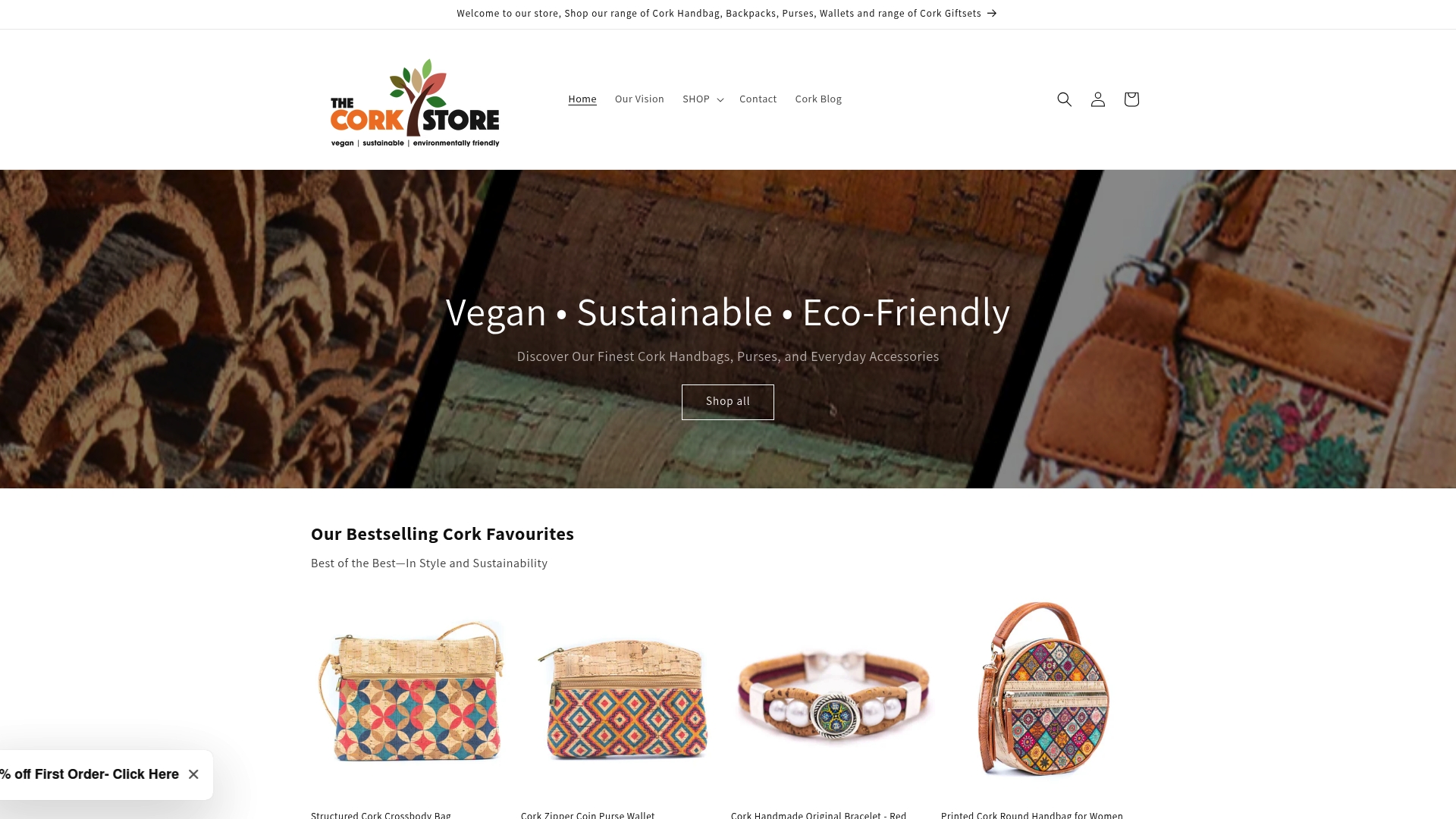
If you are building a greener wardrobe through swaps and selective purchases, Thecorkstore’s women’s gift sets offer a practical starting point. Each set combines cork accessories chosen to complement one another, making them a considered addition to any eco-conscious collection. Cork’s natural waterproofing and durability mean these pieces are built to last, not to be replaced. For styling ideas that work with swapped and purchased pieces together, the accessory styling guide for 2026 covers practical outfit pairings for green fashion accessories.
FAQ
What are sustainable accessory swaps?
Sustainable accessory swaps involve exchanging fashion accessories or replacing them with items made from recycled, upcycled, or natural materials. The goal is to reduce waste and support circular fashion by extending the life of existing pieces.
How much does it cost to attend a swap event?
Organised swap events typically charge around £10–£12 entry, with discounts sometimes available for qualifying purchases. Most events operate a token system where each item you bring earns you one item to take home.
What happens to leftover items at swap events?
Leftover items are usually donated to local charities after the event ends. If you want your pieces to go to a specific cause, ask the organiser in advance whether direct donations to a named charity are possible.
Is cork a genuinely sustainable material for accessories?
Cork is harvested from the bark of cork oak trees without cutting them down, and the bark regenerates fully after stripping. It is biodegradable, naturally waterproof, and produces no microplastics, making it one of the most credible materials in green fashion accessories.
How do I verify an accessory is genuinely eco-friendly?
Look for recognised certifications such as GOTS for organic textiles, FSC for cork and wood-based materials, and GRS for recycled content. Thecorkstore’s guide on eco-friendly accessory factors explains what each certification covers and what to check before buying or swapping.