
What is a green lifestyle? A stylish UK guide
TL;DR:
- A green lifestyle involves making deliberate choices that reduce environmental harm through sustainable habits and materials.
- Prioritizing home energy efficiency, dietary shifts, and durable purchases can significantly lower personal carbon footprints.
A green lifestyle means making deliberate choices about what you buy, use, and discard so that your daily habits reduce harm to the natural world. It is not a single dramatic gesture. It is a pattern of behaviour: choosing durable materials over disposable ones, cutting waste before it forms, and repairing rather than replacing. The IPCC AR6 (2022) found that demand-side lifestyle actions across buildings, transport, food, and materials can reduce greenhouse gas emissions by 40–70% by 2050. That scale of impact starts with ordinary decisions made at home, in supermarkets, and in changing rooms.
The core elements are:
- Reduce consumption before anything else
- Reuse what you already own
- Repair rather than discard
- Choose low-impact materials (renewable, durable, vegan where possible)
- Minimise waste across food, packaging, and clothing
Thecorkstore is one practical example of how this plays out in fashion: vegan cork accessories that replace leather and outlast fast-fashion alternatives.
Table of Contents
- What does a green lifestyle actually cover?
- Why does living greenly matter?
- How to start this week, month, and year
- How to spot greenwashing and which labels to trust
- What does going green actually cost?
- Why cork and vegan accessories belong in a green wardrobe
- Your green lifestyle starter checklist
- Key takeaways
- A note on what actually moves the needle
- Vegan cork accessories for UK shoppers
- Useful sources and further reading
What does a green lifestyle actually cover?
Sustainable living is about practical choices that reduce waste, conserve water, and lower energy use. The biggest gains usually come from buying fewer, higher-quality items and fixing what you already own. UNEP frames it as skill-driven: equipping people with the knowledge to reshape their consumption patterns, not just their intentions.
The main principles are:
- Reduce, reuse, repair, recycle in that order of priority
- Choose durable, low-impact materials over cheap, disposable alternatives
- Prioritise longevity: one well-made item beats three replacements
In practice, this touches five everyday areas:
- Home energy: insulating your home, switching to a renewable electricity supplier such as Good Energy, and replacing old bulbs with LEDs
- Transport: walking, cycling, or using public transport where possible; combining errands to cut car trips
- Food: eating less red meat, reducing food waste, and buying seasonal produce
- Personal goods: buying fewer items, choosing repairability, and avoiding single-use packaging
- Clothing and accessories: selecting sustainable materials with clear provenance over trend-driven fast fashion
Why does living greenly matter?
The IPCC AR6 figure is worth sitting with: demand-side lifestyle actions alone can cut global greenhouse gas emissions by 40–70% by 2050, without waiting for governments or corporations to act first. For most UK households, the largest levers are home energy efficiency and dietary shifts, not individual product swaps.
Statistic: Demand-side lifestyle actions across buildings, transport, food, and materials can reduce global greenhouse gas emissions by 40–70% by 2050, according to IPCC AR6 (2022).
Personal benefits are real too. Lower energy bills follow from better insulation and efficient appliances. Buying fewer, better items means less money spent on replacements over time. And there is something quieter: the sense that your daily choices align with what you actually value, which Conservation International describes as “living your values” through everyday decisions.
Pro Tip: Start with the two highest-impact, lowest-friction changes: your home’s energy efficiency and one or two dietary shifts. These deliver more carbon reduction than any number of reusable bags or bamboo toothbrushes.
How to start this week, month, and year
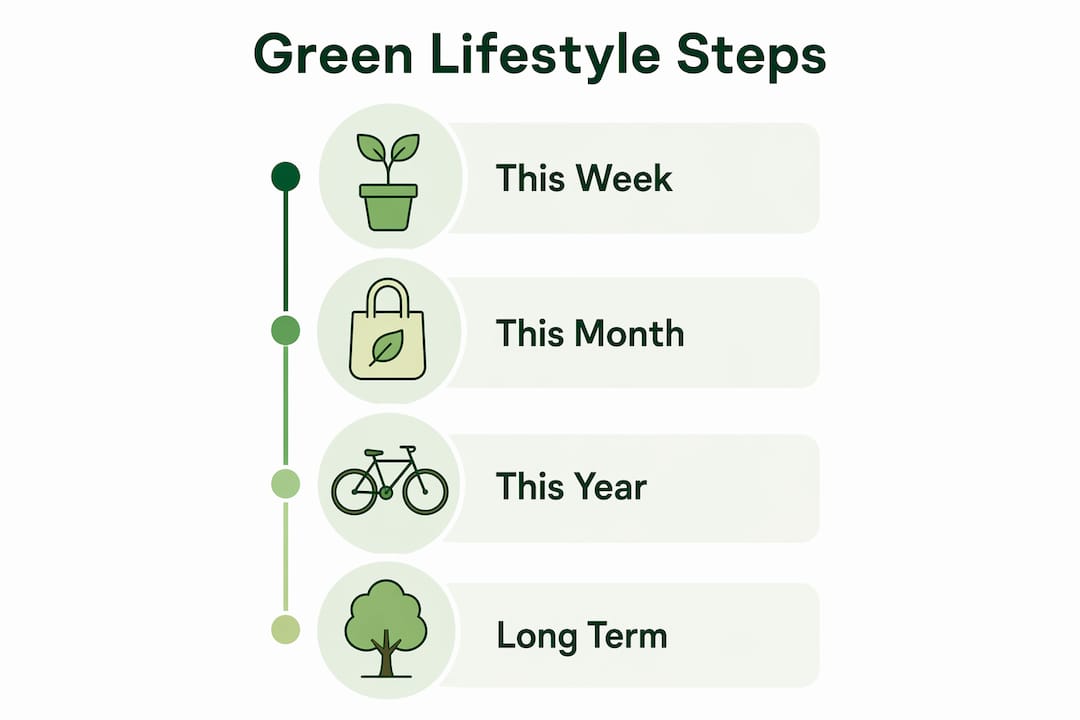
A common mistake is attempting an overnight overhaul. Phased changes stick; dramatic ones rarely do.
- This week: Fix dripping taps, swap remaining incandescent bulbs for LEDs, and audit your wardrobe for items that could be repaired rather than replaced.
- This month: Switch to a renewable electricity tariff, try two meat-free days per week, and buy one durable accessory instead of several cheaper ones.
- This year: Weatherise your home (draught-proofing, loft insulation), plan appliance upgrades to energy-efficient models as budget allows, and build a capsule wardrobe that includes vegan cork pieces.
| Timeframe | Action | Friction | Impact |
|---|---|---|---|
| This week | LED swap, fix leaks, wardrobe audit | Very low | Low–medium |
| This month | Renewable tariff, meat-free days, one durable purchase | Low | Medium |
| This year | Home weatherisation, appliance upgrades, capsule wardrobe | Medium | High |
Good Energy’s guide for UK households covers the specifics of switching suppliers and checking appliance ratings, which is a useful next step once the basics are in place.
How to spot greenwashing and which labels to trust
Greenwashing is rife in sustainable fashion. Vague claims are the most common tell: “eco-friendly”, “natural”, or “conscious” without any supporting evidence. Watch for:
- Unsupported percentage claims: “50% less plastic” with no baseline stated
- Compound claims: “eco” or “green” applied to a product with no material disclosure
- Biodegradable without context: most materials biodegrade eventually; the question is how long and under what conditions
- “Carbon neutral” without certification: a claim is only credible when backed by a named, audited standard
Credible signals to look for when shopping in the UK:
- Material disclosure: the brand names the material, its source, and its processing method
- Lifecycle transparency: information about durability, repairability, and end-of-life options
- Recognised certifications: Global Organic Textile Standard (GOTS), OEKO-TEX, Leather Working Group (for leather alternatives), or B Corp status
- Clear repair or care guidance: brands that want their products to last tell you how to look after them
A useful rule of thumb: if a brand cannot tell you what the product is made from, where it comes from, and how long it should last, the “eco” label is marketing, not evidence. Knowing how to identify eco-friendly accessories before you buy saves both money and disappointment.
What does going green actually cost?
The cost shape varies enormously depending on which changes you make first.
- Zero or near-zero cost: reducing food waste, fixing leaks, turning off standby appliances, repairing clothing
- Small upfront, quick payback: LED bulbs typically pay back within months through lower electricity bills
- Medium investment, longer payback: a quality cork handbag or wallet costs more than a fast-fashion equivalent upfront, but replacing it far less often means the per-use cost is lower
- Larger investment, significant long-term savings: loft insulation, draught-proofing, and eventually heat pumps carry upfront costs but reduce energy bills for years
The pattern is consistent: repairing an item is almost always cheaper and less carbon-intensive than replacing it. A cork wallet bought once and cared for properly replaces several cheaper wallets that wear out and end up in landfill. The maths favours durability.
Why cork and vegan accessories belong in a green wardrobe
Cork is harvested from the bark of cork oak trees without felling them. The tree continues to grow and reabsorb CO₂, making cork one of the few genuinely renewable fashion materials. It is naturally water-resistant, lightweight, and durable. It requires no animal products and no toxic tanning processes, unlike conventional leather.
For a capsule wardrobe approach, cork works particularly well because:
- One cork handbag replaces multiple fast-fashion bags that wear out within a season
- Cork wallets and purses age well without cracking or peeling
- Cork backpacks handle daily use without the environmental cost of synthetic alternatives
- Gift sets make it straightforward to introduce someone else to the material
On sustainable fashion: “Buying fewer, better-quality items rather than chasing every new ‘eco’ trend lowers lifecycle impacts through reduced replacement frequency and less waste.” Sustainably Forward
Thecorkstore’s range of handbags, wallets, backpacks, and gift sets is built around this principle. The sustainability in accessory design thinking behind each piece prioritises longevity over trend cycles.
Pro Tip: To keep cork accessories looking their best, wipe with a damp cloth and avoid prolonged exposure to direct sunlight. A well-maintained cork bag can last years, which is the point.
Your green lifestyle starter checklist
- Fix dripping taps and seal draughts around doors and windows
- Replace remaining incandescent or halogen bulbs with LEDs
- Switch to a renewable electricity tariff (Good Energy, Octopus Energy, or similar)
- Introduce two meat-free days per week and plan meals to cut food waste
- Audit your wardrobe: repair what is fixable, donate what is not worn
- Before buying anything new, ask: do I need this, and will it last?
- When buying accessories, check for material disclosure, durability claims, and vegan credentials
- Consider cork as a material: renewable, vegan, and long-lasting
- Look for recognised certifications (GOTS, OEKO-TEX, B Corp) on clothing and accessories
- Build a small capsule wardrobe of durable pieces rather than seasonal fast-fashion hauls
- Use eco-conscious purchasing guidance to evaluate future buys
- Share what works: sustainable routines spread faster when they are visible
Key takeaways
A green lifestyle is most effective when it starts with high-impact habits (home energy, diet) and extends into durable, low-waste purchasing decisions including vegan cork accessories.
| Point | Details |
|---|---|
| Definition | A green lifestyle means deliberate behavioural changes, material choices, and repeatable habits that reduce environmental harm. |
| Highest-impact actions | Home energy efficiency and dietary shifts deliver more carbon reduction than most product swaps. |
| IPCC AR6 finding | Demand-side lifestyle actions can cut global emissions by 40–70% by 2050. |
| Cost expectation | Most impactful changes cost little upfront; durable purchases save money over time through fewer replacements. |
| Thecorkstore | Vegan cork handbags, wallets, backpacks, and gift sets are a practical, stylish entry point for a durable green wardrobe. |
A note on what actually moves the needle
Most green lifestyle content focuses on the easy wins: reusable cups, tote bags, bamboo toothbrushes. Those choices are fine, but they are not where the real leverage is. The IPCC data points clearly at energy and food. A household that weatherises its home and cuts red meat consumption does more for its carbon footprint in a year than a decade of swapping plastic straws.
That said, fashion is not trivial. Clothing and accessories are among the most frequently replaced categories in most households, and the environmental cost of fast fashion is substantial. The argument for cork is not that it saves the planet on its own. It is that choosing one durable, vegan, well-made piece instead of three disposable ones is exactly the kind of compounding habit that a green lifestyle is built from. Small choices, repeated consistently, add up.
Vegan cork accessories for UK shoppers
If you have read this far and want a practical starting point, Thecorkstore offers exactly what this guide recommends: durable, vegan, stylish accessories made from cork that are built to last rather than to be replaced.
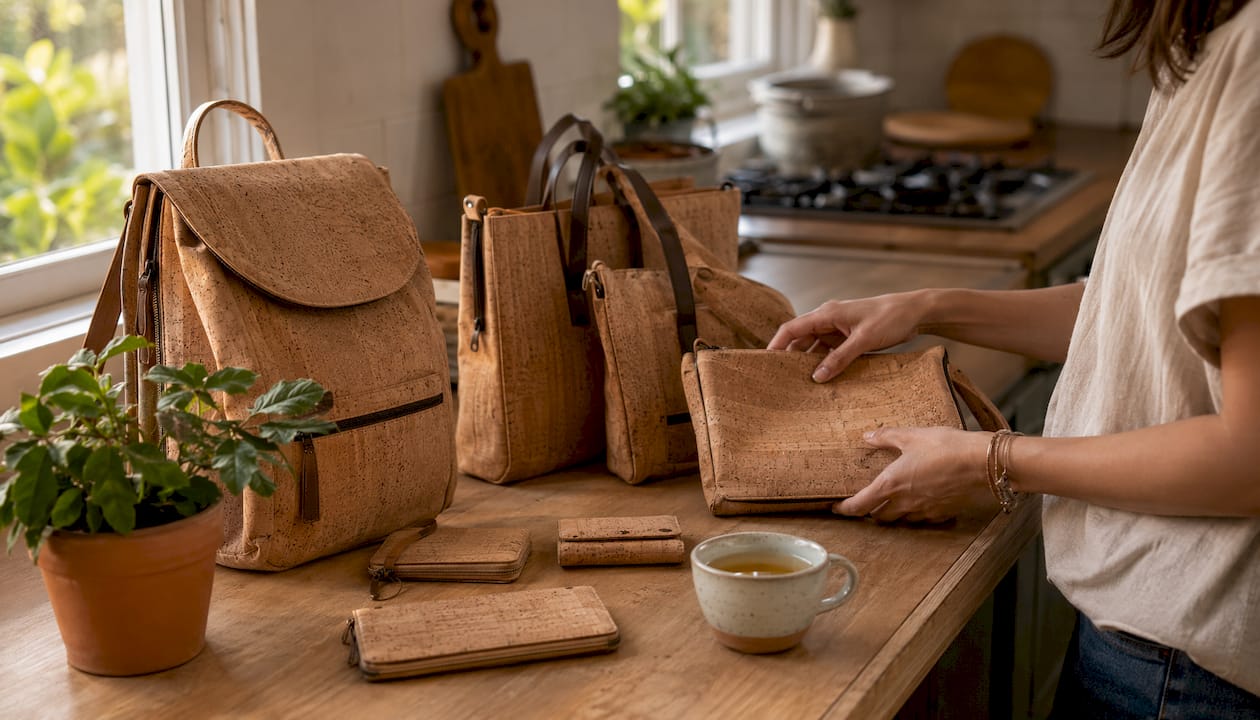
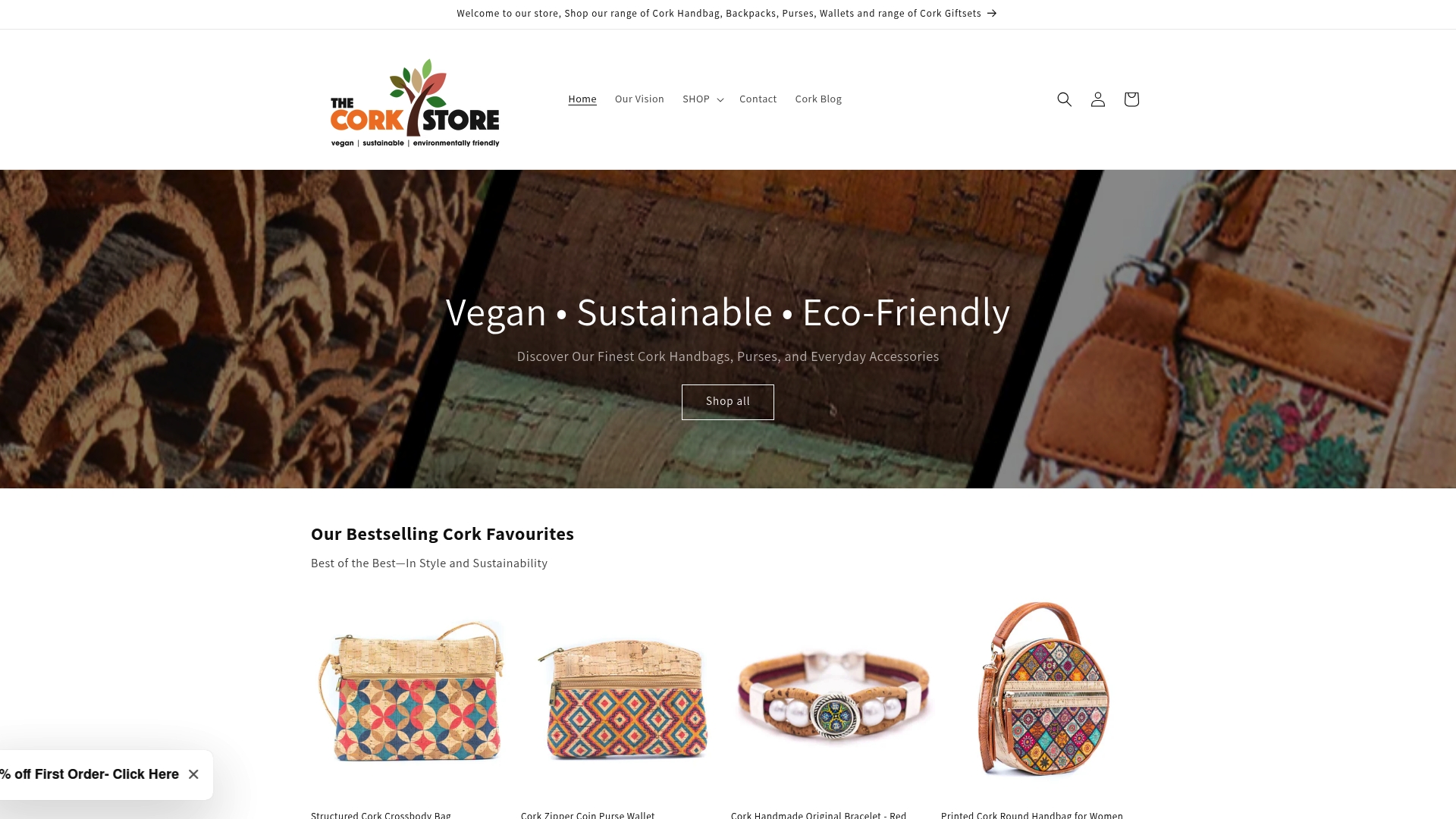
The range covers handbags, wallets, purses, backpacks, and gift sets, all made without animal products and designed to age well with basic care. For anyone building a greener wardrobe, a cork wallet or handbag is a considered purchase rather than an impulse buy: you buy it once, look after it, and it replaces the cycle of cheaper items that wear out and go to landfill. Browse the full collection at The corkstore and find the piece that fits your everyday carry.
Useful sources and further reading
- IPCC AR6 demand-side analysis via Digital Windmill
- UNEP: Sustainable Lifestyles and Skills
- Sustainably Forward: Sustainable Living
- Conservation International: Sustainable Living Tips
- Good Energy: 20-Step Eco-Friendly Living Guide
- Thecorkstore: Cork Blog and Product Range
This article provides general information about sustainable living and is not professional environmental or financial advice. For specific guidance on UK energy programmes, government schemes, or carbon accounting, consult the relevant primary sources or a qualified adviser.