
What Is Biodegradable Fashion? 62% Less Energy Used
Many assume biodegradable fashion items vanish quickly once discarded, but the reality is far more nuanced. True biodegradability depends on material composition, disposal conditions, and environmental factors. This article clarifies what biodegradable fashion actually means, which materials genuinely break down naturally, and how UK consumers can make informed choices for stylish, cruelty-free accessories that genuinely support environmental health.
Table of Contents
- Introduction To Biodegradable Fashion
- Key Biodegradable Materials Used In Fashion
- Environmental Benefits And Circular Economy Principles
- Common Misconceptions About Biodegradable Fashion
- Innovations And UK Market Trends In Biodegradable Fashion
- How To Choose And Verify Biodegradable Fashion Products
- Explore Stylish, Cruelty-Free Biodegradable Accessories
- What Is Biodegradable Fashion? Frequently Asked Questions
Key Takeaways
| Point | Details |
|---|---|
| Definition | Biodegradable fashion uses materials that decompose naturally through biological processes, reducing landfill waste. |
| Materials | Cork, organic cotton, hemp, and responsibly sourced wool break down naturally while offering style and durability. |
| Environmental Impact | Organic cotton uses 62% less energy and 88% less water than conventional alternatives. |
| Misconceptions | Biodegradable and compostable are distinct; decomposition rates vary widely based on disposal environment. |
| Verification | Look for GOTS, OEKO-TEX, and vegan certifications to confirm authentic biodegradable and cruelty-free products. |
Introduction to Biodegradable Fashion
Biodegradable fashion refers to clothing and accessories made from materials that naturally decompose through biological processes when exposed to microorganisms, moisture, and oxygen. Unlike conventional synthetic textiles that persist in landfills for centuries, biodegradable fabrics return to the earth within months to years under proper conditions. This approach differs from broader sustainable fashion by specifically focusing on end-of-life material breakdown, addressing the urgent textile waste crisis facing the UK and global fashion industry.
The UK alone generates approximately 350,000 tonnes of textile waste annually, with much ending up in landfills or incineration facilities. Conventional fashion materials like polyester and nylon release harmful microplastics and greenhouse gases as they slowly degrade over hundreds of years. The production of synthetic fabrics also consumes vast petroleum resources and energy. Understanding eco-friendly fashion terminology helps consumers distinguish genuinely sustainable options from greenwashing claims.
Several factors make biodegradable fashion increasingly urgent:
- Resource Conservation: Natural biodegradable fabrics require significantly fewer non-renewable resources during production compared to petroleum-based synthetics.
- Pollution Reduction: Eco-friendly clothing materials like organic cotton use 62% less energy and 88% less water than conventional cotton, dramatically reducing environmental footprint.
- Landfill Mitigation: Biodegradable textiles break down naturally, preventing toxic chemical leaching and reducing methane emissions from anaerobic decomposition.
- Circular Economy Support: Materials designed to return safely to biological cycles enable closed-loop fashion systems rather than linear take-make-waste models.
Natural fabrics used in biodegradable fashion typically deliver substantial environmental benefits throughout their lifecycle. Production processes for materials like hemp and organic cotton avoid harmful pesticides and synthetic fertilizers, protecting soil health and water quality. These fabrics also require less intensive processing and fewer chemical treatments, further reducing energy consumption and pollution.
Key Biodegradable Materials Used in Fashion
Several natural materials stand out for their biodegradability, durability, and suitability for stylish accessories that appeal to eco-conscious UK consumers. Understanding each material’s properties helps you make informed purchasing decisions aligned with both environmental values and aesthetic preferences.
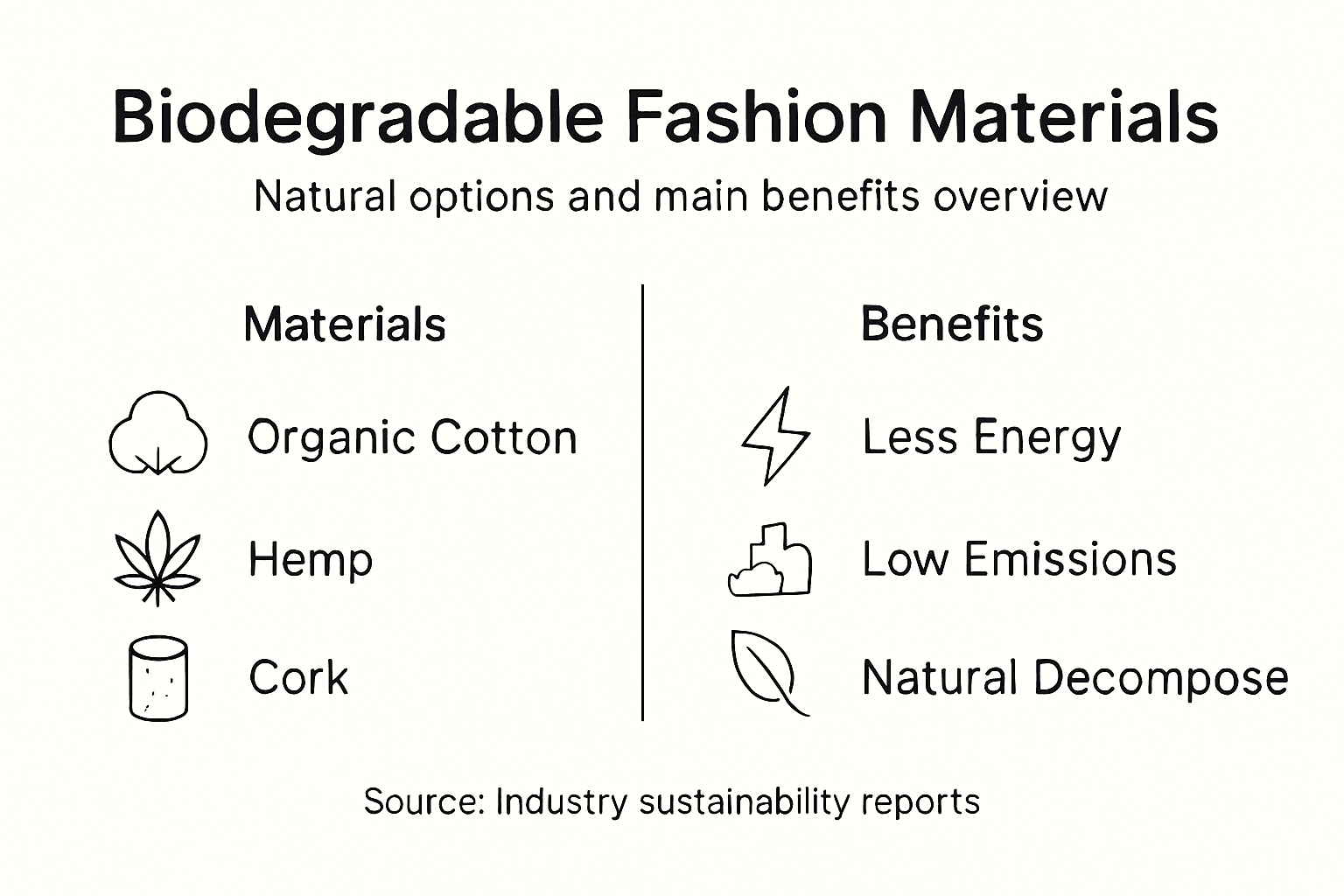
Cork harvested from cork oak trees offers exceptional sustainability credentials. The bark regenerates naturally every nine years without harming the tree, making cork completely renewable and cruelty-free. Cork fabric is naturally water-resistant, lightweight, and remarkably durable, perfect for handbags, wallets, and accessories. When disposed of properly, cork biodegrades within months to a few years, returning nutrients to soil without toxic residues.
Organic Cotton certified under standards like GOTS (Global Organic Textile Standard) ensures production without synthetic pesticides or genetically modified seeds. The fabric breathes well, feels soft against skin, and decomposes relatively quickly in composting environments. UK consumers increasingly seek GOTS-certified cotton products as verification of genuine organic and ethical production practices.
Hemp grows rapidly with minimal water and no pesticides, producing strong, durable fibers ideal for bags and accessories. Hemp fabric softens with use while maintaining structural integrity, and it biodegrades efficiently when composted. The crop also improves soil quality and sequesters carbon during growth, offering climate benefits beyond biodegradability.
Bioleather Alternatives made from mycelium, pineapple leaves, or apple waste provide cruelty-free options mimicking traditional leather aesthetics. These innovative materials vary in biodegradability depending on backing materials and treatments, so verification of specific product composition remains essential.
Wool from ethically managed farms offers natural biodegradability and exceptional durability. Biodegradable fabrics like wool provide renewable environmental benefits, though consumers prioritizing fully cruelty-free options may prefer plant-based alternatives. Certification schemes help identify wool from farms with higher animal welfare standards.
| Material | Biodegradation Time | Cruelty-Free Status | Key Benefits |
|---|---|---|---|
| Cork | 6 months to 3 years | Yes | Renewable, water-resistant, lightweight |
| Organic Cotton | 1 to 5 months | Yes | Soft, breathable, GOTS certified |
| Hemp | 2 weeks to 2 months | Yes | Durable, rapid growth, soil improvement |
| Bioleather | Varies (check backing) | Yes | Aesthetic versatility, innovative |
| Wool | 1 to 5 years | Varies by sourcing | Durable, renewable, insulating |
Pro Tip: Prioritize materials with third-party certifications like GOTS or OEKO-TEX to ensure both biodegradability and ethical production. For maximum cruelty-free assurance, focus on plant-based options like cork, organic cotton, or hemp rather than animal-derived materials. Check the biodegradable fashion materials guide for detailed comparisons.
Environmental Benefits and Circular Economy Principles
Biodegradable fashion delivers measurable environmental advantages throughout product lifecycles, from reduced resource consumption during manufacturing to safe end-of-life decomposition. Quantifying these benefits helps UK consumers understand the tangible impact of their purchasing choices.
Energy and emissions reductions achieved through biodegradable textiles significantly outpace conventional alternatives. Organic cotton production uses 62% less energy than conventional methods, while hemp cultivation requires virtually no irrigation and produces 250% more fiber per hectare than cotton. Manufacturing natural biodegradable fabrics typically avoids energy-intensive chemical processes required for synthetic fiber production, cutting CO2 emissions substantially.
| Environmental Metric | Organic Cotton vs Conventional | Hemp vs Cotton |
|---|---|---|
| Energy Use | 62% less | 50% less |
| Water Consumption | 88% less | 75% less |
| Pesticide Use | Zero vs high | Zero vs high |
| Land Efficiency | Similar | 250% more fiber |
Circular economy principles aim to eliminate waste by designing products that can be safely returned to biological or technical cycles. Biodegradable fashion naturally aligns with biological cycle thinking, where materials decompose to nourish new growth rather than accumulating as pollution. UK enzyme biorecycling innovations advance technologies enabling circularity even for traditionally hard-to-recycle textiles, supporting biodegradable fashion goals through complementary recycling pathways.
Implementing circular economy principles for biodegradable fashion involves several key steps:
- Design for Longevity: Create durable products using high-quality biodegradable materials that withstand years of use before end-of-life.
- Enable Repair and Reuse: Offer repair services and design accessories with replaceable components to extend product lifespan.
- Facilitate Collection: Establish take-back programs allowing consumers to return worn items for proper composting or recycling.
- Ensure Proper Decomposition: Partner with industrial composting facilities or provide guidance for home composting where appropriate.
- Close the Loop: Use composted materials as soil amendments for growing new fibers, completing the biological cycle.
Biodegradable accessories reduce waste accumulation in landfills where anaerobic conditions slow decomposition and generate methane, a potent greenhouse gas. Proper composting instead allows aerobic breakdown, returning valuable nutrients to soil while minimizing emissions. This lifecycle advantage becomes particularly significant given the UK fashion sector’s substantial waste output.
Pro Tip: Support brands demonstrating transparent circular processes with documented take-back programs and verified composting partnerships. Review eco-friendly fashion benefits to understand broader sustainability advantages beyond biodegradability alone.
Common Misconceptions About Biodegradable Fashion
Widespread confusion surrounds biodegradable fashion claims, often leaving consumers uncertain about what terms actually mean and how materials perform in real-world conditions. Clarifying these misconceptions empowers better decision-making aligned with genuine environmental values.
Biodegradable versus Compostable: These terms are not interchangeable despite frequent misuse. Biodegradable means materials break down through biological processes, but provides no timeline or quality specifications for decomposition. Compostable indicates materials decompose within specific timeframes under controlled composting conditions, leaving no toxic residues. Biodegradable vs compostable distinctions matter because biodegradation rates vary widely depending on material type and disposal conditions; some require industrial composting facilities or specific environments to break down efficiently.
Decomposition Timeline Myths: Many assume biodegradable fashion items disappear within weeks regardless of environment. Reality proves far more complex. Cotton fabric may decompose in one to five months under ideal composting conditions but could persist for years in dry landfills lacking moisture and oxygen. Wool requires one to five years even in favorable conditions. Temperature, microbial activity, moisture levels, and oxygen availability all dramatically influence actual breakdown rates.
Cruelty-Free Confusion: Not all biodegradable materials are cruelty-free or vegan. Wool, silk, and some leather alternatives involve animal products or byproducts, making them unsuitable for consumers prioritizing completely animal-free wardrobes. Plant-based biodegradable options like cork, hemp, and organic cotton offer guaranteed cruelty-free status. Always verify specific material sourcing rather than assuming biodegradability equals vegan credentials.
Common false assumptions to avoid include:
- Believing all natural materials biodegrade quickly in any environment without proper conditions
- Assuming biodegradable products can be disposed of anywhere without environmental harm
- Thinking biodegradable certification guarantees cruelty-free or vegan status
- Expecting biodegradable items to perform identically to conventional materials in all applications
- Trusting vague marketing claims without third-party certification verification
Verifying manufacturer claims requires scrutiny of specific certifications, transparent supply chain documentation, and clear disposal instructions. Reputable brands provide detailed information about material composition, expected decomposition timelines under various conditions, and recommended end-of-life handling. Generic “eco-friendly” or “green” labels without supporting evidence should raise skepticism. Cross-reference fashion terminology clarifications when evaluating product claims to distinguish genuine sustainability from greenwashing.
Innovations and UK Market Trends in Biodegradable Fashion
The UK fashion sector leads several technological advances making biodegradable materials more versatile, durable, and accessible to mainstream consumers. These innovations address traditional limitations while expanding style possibilities for eco-conscious buyers.
Enzyme-based biorecycling represents groundbreaking progress in textile circularity. AI-designed enzymes can recycle mixed plastics and textiles at low temperatures, increasing fashion waste circularity even for blended fabrics previously considered unrecyclable. While distinct from biodegradability, these technologies complement natural material strategies by extending product lifecycles and reducing overall waste.
Bioleather alternatives have evolved dramatically, with materials derived from mycelium, pineapple leaves, cactus, and apple waste now matching traditional leather in appearance and durability. UK brands increasingly incorporate these innovations into handbags, wallets, and footwear, offering cruelty-free options without aesthetic compromise. Some bioleathers achieve full biodegradability when produced without synthetic backing materials, though verification of specific product composition remains essential.
Key innovations shaping the UK biodegradable fashion market include:
- Advanced Natural Dyes: Plant-based dyes from food waste and agricultural byproducts eliminate toxic chemicals while maintaining color vibrancy and wash fastness.
- Closed-Loop Production: Manufacturing systems capturing and reusing water, energy, and material byproducts minimize environmental impact beyond biodegradability.
- Transparent Supply Chains: Blockchain and digital tracking technologies enable consumers to verify material sourcing, production ethics, and biodegradability claims.
- Performance Enhancements: Natural treatments improving water resistance, durability, and stain resistance without compromising biodegradability or adding synthetic chemicals.
Consumer demand for biodegradable fashion accessories continues accelerating across the UK, driven by younger demographics prioritizing environmental values and transparency. Market research indicates willingness to pay premium prices for verified sustainable products, particularly when style and quality match conventional alternatives. This demand encourages both established brands and innovative startups to expand biodegradable offerings and invest in material research.
UK brands pioneering biodegradable fashion demonstrate that environmental responsibility and contemporary style coexist successfully. Cork accessories exemplify this trend, combining renewable material sourcing, complete biodegradability, cruelty-free credentials, and sophisticated aesthetics appealing to fashion-forward consumers. Explore rise of cork accessories UK to understand growing market adoption.
How to Choose and Verify Biodegradable Fashion Products
Navigating biodegradable fashion claims requires informed evaluation of certifications, material transparency, and brand practices. These practical strategies help UK consumers identify authentic products aligned with environmental and ethical values.
Key certifications provide third-party verification of sustainability claims. GOTS (Global Organic Textile Standard) certifies organic fiber production and processing, ensuring environmental and social criteria throughout supply chains. OEKO-TEX certification verifies textiles are free from harmful substances, supporting both human health and safe biodegradation. Vegan and cruelty-free labels from organizations like The Vegan Society confirm products contain no animal-derived materials and involve no animal testing. Cruelty-free verification processes ensure brands meet rigorous ethical standards beyond simple self-declaration.
Evaluating product claims critically involves several steps:
- Read Full Material Composition: Check that all components, including linings, threads, and hardware, align with biodegradability claims rather than just primary fabrics.
- Research Brand Transparency: Prioritize companies providing detailed supply chain information, production location disclosure, and clear disposal guidance.
- Verify Certification Authenticity: Confirm certification claims through official registry searches rather than trusting logos alone, as some brands misuse certification imagery.
- Assess Disposal Instructions: Genuine biodegradable products include specific end-of-life guidance, indicating whether home composting suffices or industrial facilities are required.
- Compare Price to Value: Extremely low prices often signal conventional materials mislabeled as sustainable; quality biodegradable products reflect fair production costs.
Stylish biodegradable accessories available in the UK market now rival conventional options in design sophistication. Cork handbags offer unique textures and patterns while providing complete renewable credentials. Organic cotton tote bags combine classic aesthetics with verified sustainable sourcing. Hemp wallets deliver durability and minimalist style appealing to contemporary sensibilities.
Pro Tip: Prioritize retailers providing detailed material sourcing documentation and transparent production practices over those making vague sustainability claims. Review spot sustainable materials and tips for choosing vegan bags for comprehensive evaluation frameworks ensuring purchases genuinely support environmental and ethical goals.
Explore Stylish, Cruelty-Free Biodegradable Accessories
Understanding biodegradable fashion principles equips you to make purchasing decisions supporting both environmental health and personal style. The Cork Store specializes in sustainable accessories crafted from renewable, biodegradable cork that naturally decomposes while offering exceptional durability and water resistance.
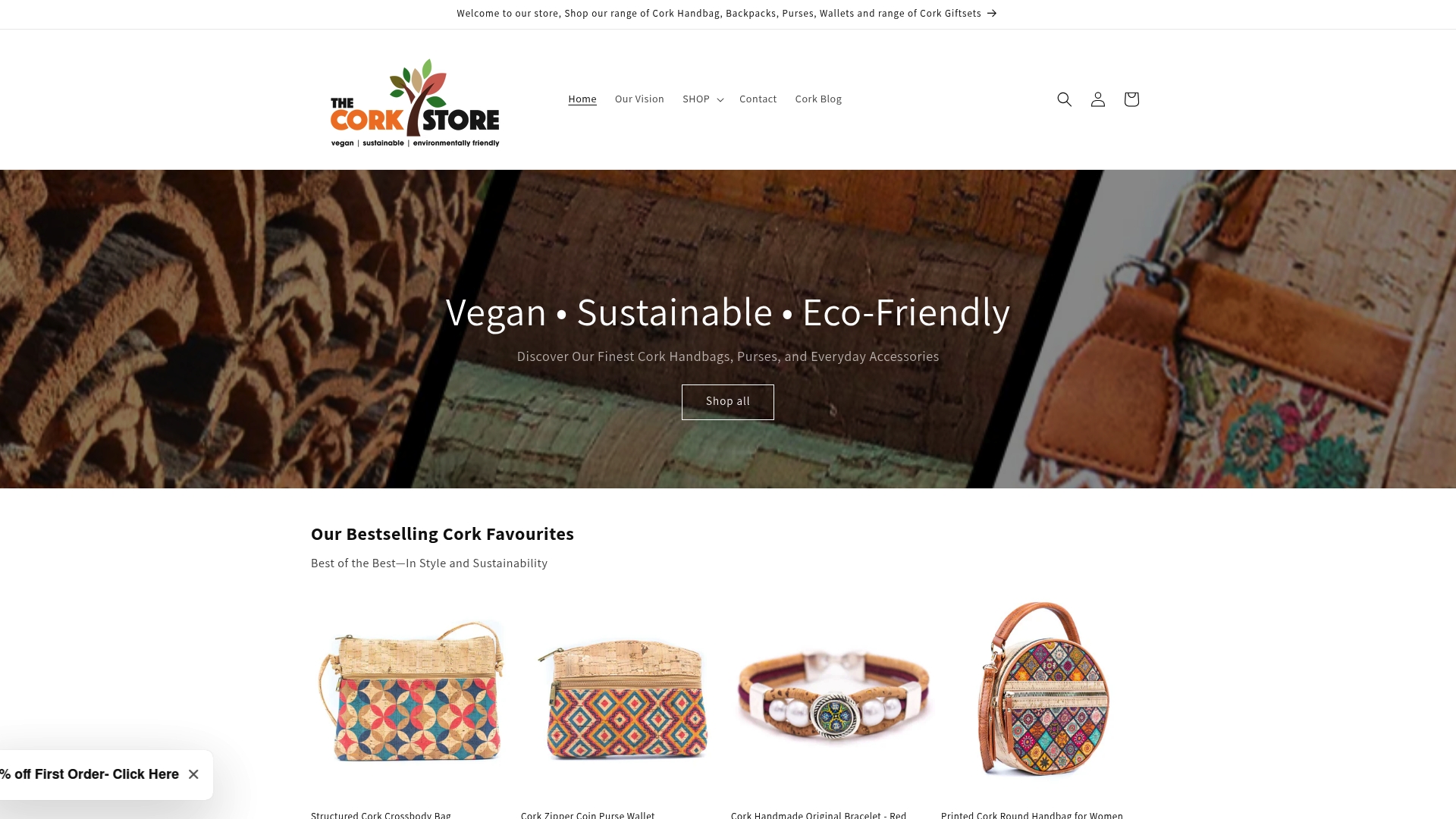
Our curated collection includes vegan handbags, wallets, backpacks, and gift sets combining contemporary design with verified cruelty-free credentials. Explore sustainable cork accessories demonstrating that biodegradable materials deliver sophistication without environmental compromise. Discover practical guidance through our choosing vegan handbags eco guide and learn more about the benefits of cork products for UK consumers seeking stylish, ethical alternatives to conventional leather accessories.
What Is Biodegradable Fashion? Frequently Asked Questions
What distinguishes biodegradable from compostable fashion?
Biodegradable means materials break down through biological processes without specified timelines or residue standards, while compostable indicates decomposition within defined periods under controlled conditions, leaving no toxic remnants. Compostable certification provides stricter environmental guarantees than general biodegradability claims.
How long does it usually take for biodegradable fashion items to break down?
Decomposition timelines vary dramatically based on material type and environmental conditions. Organic cotton may biodegrade in one to five months under ideal composting but persist years in dry landfills. Hemp breaks down faster, typically within weeks to months, while wool requires one to five years even in favorable conditions.
Are all biodegradable fashion items also vegan and cruelty-free?
No, biodegradable materials include animal-derived options like wool and silk that are not vegan. Plant-based biodegradable fabrics such as cork, organic cotton, and hemp guarantee cruelty-free status. Always verify specific material sourcing and certifications to ensure products align with vegan values.
How can I verify certifications on biodegradable fashion products?
Check official certification registries directly rather than trusting brand-displayed logos alone. GOTS and OEKO-TEX maintain searchable databases of certified products and companies. The Vegan Society and Cruelty Free International offer verification tools confirming authentic certification status.
What are some affordable biodegradable accessory options available in the UK?
Cork wallets, organic cotton tote bags, and hemp pouches offer entry-level biodegradable options typically priced competitively with conventional alternatives. Many UK retailers now stock these items, with cork accessories providing exceptional durability justifying slightly higher initial investment through extended lifespan and genuine sustainability credentials.