
Cork harvesting explained: sustainable process 2026
Contrary to popular belief, cork harvesting does not harm trees. In fact, harvested cork oak trees absorb 3 to 5 times more CO2 than unharvested ones, making this traditional practice a powerful climate solution. This article explains how cork harvesting works, why it benefits ecosystems, and how choosing cork products supports sustainability and rural communities.
Table of Contents
- Introduction To Cork And Its Importance In Sustainability
- How Cork Harvesting Works: The Traditional Process
- Environmental Benefits Of Cork Harvesting
- Common Misconceptions About Cork Harvesting
- Cork In Sustainable Fashion And Accessories
- Practical Guide To Choosing And Supporting Sustainable Cork Products
- Conclusion: Why Cork Harvesting Matters To Eco-Conscious Consumers
- Explore Ethically Sourced Cork Products At The Cork Store
Key takeaways
| Point | Details |
|---|---|
| Sustainable harvest cycle | Cork is harvested without harming trees, allowing repeated harvests every 9 to 12 years throughout the tree’s life. |
| Carbon sequestration boost | Harvested cork oak trees absorb 3 to 5 times more carbon dioxide than unharvested trees due to stimulated bark regeneration. |
| Biodiversity preservation | Cork oak forests support endangered species and prevent desertification in Mediterranean regions. |
| Renewable leather alternative | Cork is biodegradable, durable, and water-resistant, making it ideal for sustainable fashion accessories. |
| Economic and social value | Cork harvesting preserves traditional craftsmanship and provides sustainable livelihoods for rural communities. |
Introduction to cork and its importance in sustainability
Cork comes from the outer bark of the cork oak tree, a species native to Mediterranean regions including Portugal, Spain, Italy, and North Africa. Unlike timber harvesting, cork is harvested from the bark without cutting down the tree, allowing the bark to regenerate naturally every 9 to 12 years. This renewable cycle means a single cork oak can be harvested up to 15 times during its 200-year lifespan.
The growing demand for eco-friendly, animal-free materials has positioned cork as a leading alternative to leather and synthetic fabrics. Cork’s natural properties include water resistance, durability, lightweight texture, and antimicrobial characteristics. These qualities make it ideal for sustainable fashion and accessories such as handbags, wallets, and backpacks.
Beyond product applications, cork oak forests play a vital ecological role. These woodlands, known as montados in Portugal and dehesas in Spain, preserve biodiversity by providing habitat for endangered species. They also support rural economies, offering livelihoods to traditional harvesters and local communities. Understanding the benefits of cork products helps consumers make informed, ethical choices.
Key reasons cork matters for sustainability:
- Harvesting stimulates tree health and carbon absorption
- Cork oak forests prevent soil erosion and regulate water cycles
- Cork biodegrades naturally without releasing toxins
- Production supports traditional craftsmanship and rural employment
- Cork serves as a cruelty-free, renewable alternative to animal leather
How cork harvesting works: the traditional process
Cork harvesting follows a carefully timed cycle that respects the tree’s natural regeneration rhythm. The first ‘virgin cork’ harvest occurs at around 25 years, producing lower quality cork suitable for insulation or decorative purposes. This initial harvest prepares the tree for subsequent cycles, which occur every 9 to 12 years and yield premium-grade cork for wine stoppers, fashion accessories, and specialised applications.
The harvesting process requires exceptional skill and traditional knowledge passed down through generations. Harvesters use specialised cork axes to make precise vertical and horizontal cuts in the bark. They carefully pry the bark away from the cambium layer, the living tissue beneath that regenerates the cork. Damaging this layer would harm the tree, so expertise is essential.
Traditional harvesting steps:
- Assess tree readiness by checking bark thickness and age since last harvest
- Make vertical cuts along the trunk using a sharp cork axe
- Create horizontal cuts at top and bottom of the harvesting zone
- Gently twist and lift bark sections away from the cambium layer
- Stack harvested cork planks to dry and season for six months
- Mark the tree with the harvest year to track the next cycle
This manual process ensures minimal stress to the tree. After harvest, the exposed cambium layer gradually produces new cork bark over the following years. The tree continues photosynthesising and growing throughout this regeneration period. Each subsequent harvest becomes easier as the bark develops a more uniform texture.
Pro Tip: Look for handmade cork harvesting techniques when choosing products, as traditional methods ensure both tree health and artisan quality.
Environmental benefits of cork harvesting
Cork harvesting delivers measurable ecological advantages that extend far beyond simple renewable resource management. When harvesters strip the bark, they trigger an accelerated regeneration process that significantly increases the tree’s metabolic activity. Harvested cork oak trees absorb 3 to 5 times more CO2 than unharvested trees because the regeneration stimulates carbon sequestration. This means actively managed cork forests function as powerful carbon sinks, helping mitigate climate change.
Cork oak forests are biodiversity hotspots supporting over 200 animal species and 135 plant species per hectare. These forests provide critical habitat for endangered species including the Iberian lynx, Spanish imperial eagle, and Barbary deer. The mixed woodland structure of montados and dehesas creates diverse microclimates that support insects, birds, mammals, and reptiles.
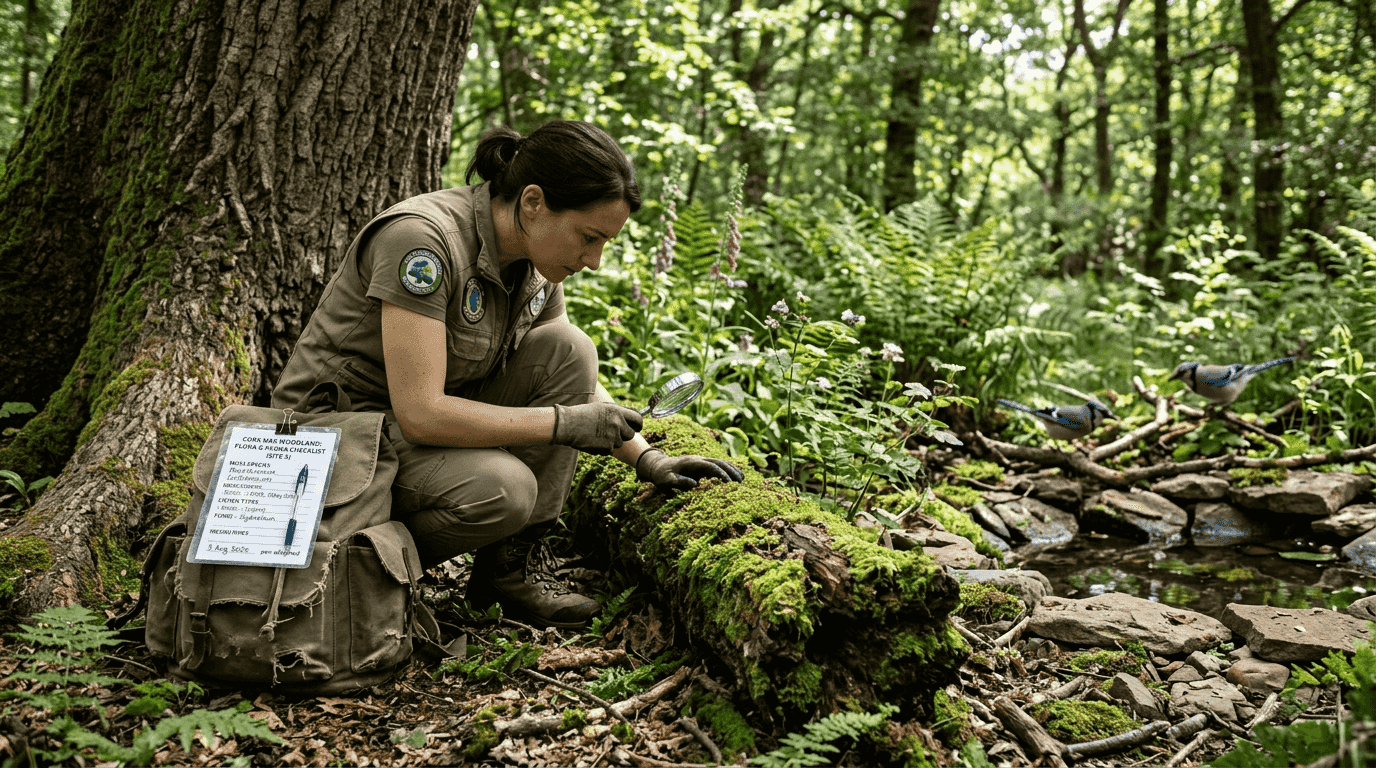
These forests also deliver essential ecosystem services in Mediterranean regions prone to desertification. The extensive root systems of cork oaks stabilise soil, prevent erosion, and regulate water cycles by improving groundwater recharge. During dry summers, cork oak canopies provide shade that reduces surface temperatures and maintains soil moisture.
At the end of its lifecycle, cork is 100% biodegradable, decomposing naturally without releasing harmful chemicals. This contrasts sharply with synthetic materials that persist in landfills for centuries or release microplastics as they break down. Cork’s natural decomposition enriches soil rather than contaminating it.
| Environmental factor | Harvested cork forest | Unharvested cork forest |
|---|---|---|
| CO2 absorption rate | 3 to 5 times higher | Baseline rate |
| Biodiversity support | Enhanced through active management | Moderate natural habitat |
| Soil erosion prevention | Strong root systems maintained | Similar protection |
| Rural employment | Sustainable livelihoods provided | Limited economic value |
| Carbon storage | Increased through regeneration cycles | Steady state storage |
Understanding cork versus leather sustainability reveals cork’s clear environmental advantages across production, use, and disposal phases.
Pro Tip: Supporting cork products encourages landowners to maintain cork oak forests rather than converting them to agriculture, preserving these vital ecosystems.
Common misconceptions about cork harvesting
Several persistent myths discourage consumers from choosing cork products despite strong evidence of sustainability. Addressing these misconceptions helps eco-conscious buyers make informed decisions based on facts rather than misunderstandings.
One widespread belief suggests cork harvesting involves cutting down trees. In reality, cork trees are never felled during harvesting; only the outer bark is stripped whilst the tree remains alive and rooted. The cambium layer regenerates new bark naturally, allowing the same tree to be harvested repeatedly throughout its lifespan.
Another myth claims harvesting damages tree health or shortens lifespan. Scientific evidence shows the opposite. Regular cork harvesting improves tree health and carbon absorption, with harvested trees absorbing significantly more CO2 than unharvested ones. The regeneration process actually stimulates the tree’s metabolic functions, enhancing overall vitality.
Some consumers worry that cork harvesting harms forest ecosystems. Properly managed cork oak forests demonstrate exceptional biodiversity compared to alternative land uses. Regulated harvesting cycles ensure trees regenerate fully between harvests, maintaining forest structure and ecological functions. Traditional harvesting practices evolved over centuries specifically to preserve both trees and surrounding ecosystems.
Concerns about cork’s environmental impact at end-of-life also persist. Unlike synthetic alternatives that release microplastics or toxic chemicals, cork is fully biodegradable and compostable. It decomposes naturally without environmental harm, returning nutrients to the soil.
Common myths debunked:
- Trees are cut down: False. Only bark is harvested; trees live 200+ years.
- Harvesting weakens trees: False. It stimulates health and carbon absorption.
- Cork forests lack biodiversity: False. They support hundreds of species.
- Cork harms environment when disposed: False. It biodegrades completely.
- Harvesting is unsustainable: False. Regulated cycles allow continuous regeneration.
Learning the truth about cork harvesting myths empowers consumers to confidently support this sustainable industry.
Cork in sustainable fashion and accessories
Cork’s unique combination of renewability, durability, and aesthetic appeal positions it as an exceptional material for ethical fashion. As a renewable, animal-free leather alternative, cork offers comparable durability and water resistance whilst avoiding the environmental and ethical issues associated with animal leather production.
The natural texture of cork creates distinctive patterns that make each product unique. Its lightweight nature makes it comfortable for daily wear in bags, wallets, and accessories. Cork’s inherent water resistance protects contents from moisture, whilst antimicrobial properties prevent odour and bacterial growth. These functional qualities combine with visual appeal to create products that are both practical and stylish.
Cork harvesting preserves traditional Mediterranean craftsmanship whilst providing economic stability to rural communities. Cork production supports rural economies by providing sustainable livelihoods for families and villages that have relied on cork oak forests for generations. This social dimension adds ethical value beyond environmental benefits.
Compared to conventional leather, cork production requires no animal slaughter, dramatically less water, and minimal chemical processing. Unlike synthetic alternatives derived from petroleum, cork biodegrades naturally and stores carbon throughout its lifecycle. This positive environmental profile extends from forest to finished product to final disposal.
Cork fashion advantages:
- Cruelty-free alternative to animal leather
- Naturally water-resistant and antimicrobial
- Lightweight yet durable for daily use
- Unique natural patterns in every product
- Supports traditional skills and rural livelihoods
- Lower environmental impact than leather or synthetics
Understanding the role of cork in fashion helps consumers appreciate how material choices influence both environmental outcomes and social equity.
Practical guide to choosing and supporting sustainable cork products
Navigating the cork product marketplace requires attention to certifications, sourcing transparency, and brand practices. Informed purchasing decisions amplify the positive environmental and social impacts of cork harvesting.
Look for sustainability certifications when evaluating cork products. The Forest Stewardship Council (FSC) certification indicates cork comes from responsibly managed forests with verified sustainable harvesting practices. Other relevant certifications include organic processing standards and fair trade designations that ensure ethical treatment of workers.
Regional sourcing provides another quality indicator. Cork from Portugal, Spain, Italy, and North Africa typically follows traditional sustainable practices refined over centuries. Products with documented harvesting cycles and transparent supply chains demonstrate brand commitment to genuine sustainability rather than greenwashing.
Support brands that educate customers about cork’s benefits and origins. Companies genuinely committed to sustainability provide detailed information about their sourcing practices, harvesting partners, and environmental initiatives. Transparency indicates integrity and allows consumers to verify sustainability claims.
Avoid products lacking certification or clear sourcing information. Ambiguous origin claims or absence of sustainability credentials may indicate substandard harvesting practices that could harm trees or exploit workers. When in doubt, contact brands directly to request specific information about their cork sources.
Practical selection criteria:
- Verify FSC or equivalent sustainability certification
- Confirm Mediterranean origin with documented harvesting cycles
- Choose brands offering transparent supply chain information
- Prioritise companies educating consumers about cork benefits
- Select well-made items designed for longevity rather than fast fashion
- Support traditional artisan producers when possible
Exploring a comprehensive cork fashion guide reveals how design choices influence both aesthetics and sustainability. Understanding eco-fashion cork design principles helps identify products that balance style with environmental responsibility.
Pro Tip: Invest in quality cork accessories designed to last years rather than seasons, maximising both environmental benefits and personal value.
Conclusion: why cork harvesting matters to eco-conscious consumers
Sustainably harvested cork represents a genuinely regenerative material that delivers environmental benefits whilst supporting traditional livelihoods. The harvesting cycle enhances carbon sequestration, preserves biodiversity hotspots, and maintains vital Mediterranean ecosystems. Each purchase of certified cork products reinforces these positive outcomes.
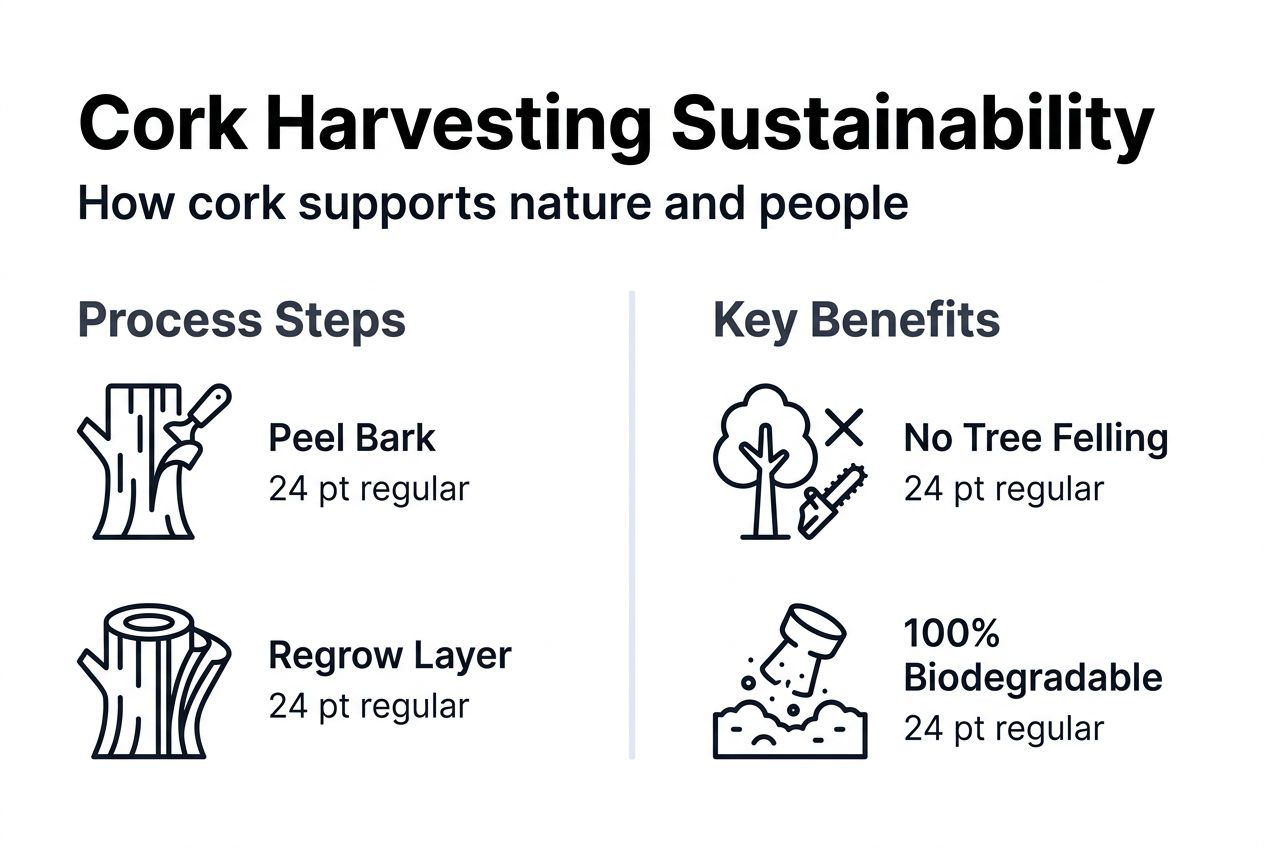
Understanding how cork regenerates naturally every 9 to 12 years clarifies why this material offers true sustainability rather than simply reduced harm. The trees thrive through multiple harvest cycles, forests remain biodiverse habitats, and rural communities maintain economic stability. This interconnected system demonstrates how human activity can support rather than degrade natural systems.
Cork’s properties as a durable, water-resistant, biodegradable material make it an exceptional leather alternative for fashion and accessories. Choosing cork over conventional leather or synthetic materials reduces environmental impact across production, use, and disposal phases. The material’s natural decomposition ensures it enriches rather than contaminates ecosystems at end-of-life.
For eco-conscious consumers, supporting responsibly sourced cork products represents a powerful way to align purchasing decisions with environmental values. By understanding the harvesting process, recognising certifications, and choosing transparent brands, you contribute to forest conservation, climate mitigation, and sustainable rural development.
Discover how cork sustainable style benefits extend beyond individual products to influence broader fashion industry practices.
Explore ethically sourced cork products at the cork store
The Cork Store offers a curated selection of FSC-certified, sustainably harvested cork accessories that embody the environmental and ethical principles explored in this article. Every product supports traditional Mediterranean harvesting practices whilst delivering the durability and style eco-conscious consumers expect.
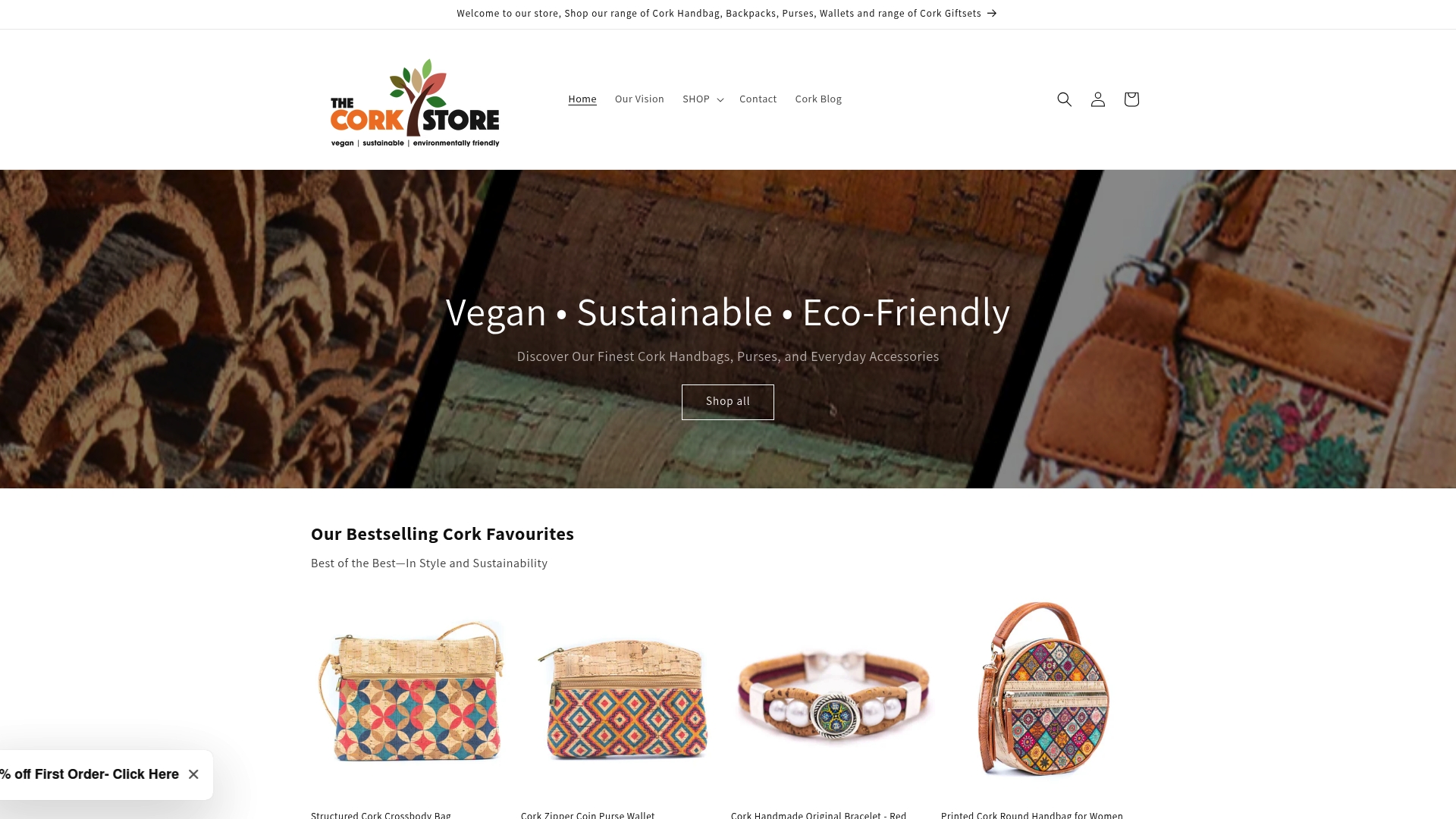
Discover premium cork wallets, including the popular cork zipper coin purse wallet and stylish marine cork wallet, crafted from responsibly sourced materials. Each purchase supports rural communities and forest conservation whilst providing you with a unique, cruelty-free accessory.
Browse the complete range of ethically produced cork handbags, backpacks, and accessories. With free UK delivery on all orders, choosing sustainable style has never been easier.
FAQ
Is cork harvesting harmful to trees?
No, cork harvesting never involves felling trees; only the outer bark is carefully stripped. The living cambium layer beneath remains intact and regenerates new bark naturally every 9 to 12 years. Properly harvested trees continue thriving for over 200 years, with some producing 15 or more harvests during their lifetime.
How often can cork be sustainably harvested from one tree?
After the first harvest at approximately 25 years producing virgin cork, subsequent harvests occur every 9 to 12 years throughout the tree’s lifespan. A healthy cork oak can sustain 10 to 15 harvests during its 200-year life. This renewable cycle allows continuous cork production without depleting the resource or harming trees.
Is cork biodegradable and eco-friendly at end-of-life?
Yes, cork is 100% biodegradable and compostable, decomposing naturally without releasing harmful chemicals or microplastics. Unlike synthetic materials that persist in landfills for centuries, cork breaks down completely and enriches soil. This natural decomposition makes cork an environmentally responsible choice from production through disposal.
How does cork harvesting support rural communities?
Cork harvesting creates sustainable employment for thousands of families in Mediterranean regions, particularly in rural areas with limited economic alternatives. Cork production supports rural economies by providing year-round livelihoods and preserving traditional harvesting skills passed through generations. This economic stability encourages forest conservation and maintains cultural heritage tied to cork oak woodlands.
Recommended
- How Cork Is Harvested – The Art of Sustainable Material – The Cork Store
- Cork Production Process: Complete Sustainable Guide – The Cork Store
- How Cork Promotes Sustainability: Complete Guide – The Cork Store
- Complete Guide to the Cork Production Process – The Cork Store
- 7 Smart Sustainable Tonewood Options for Luthiers